
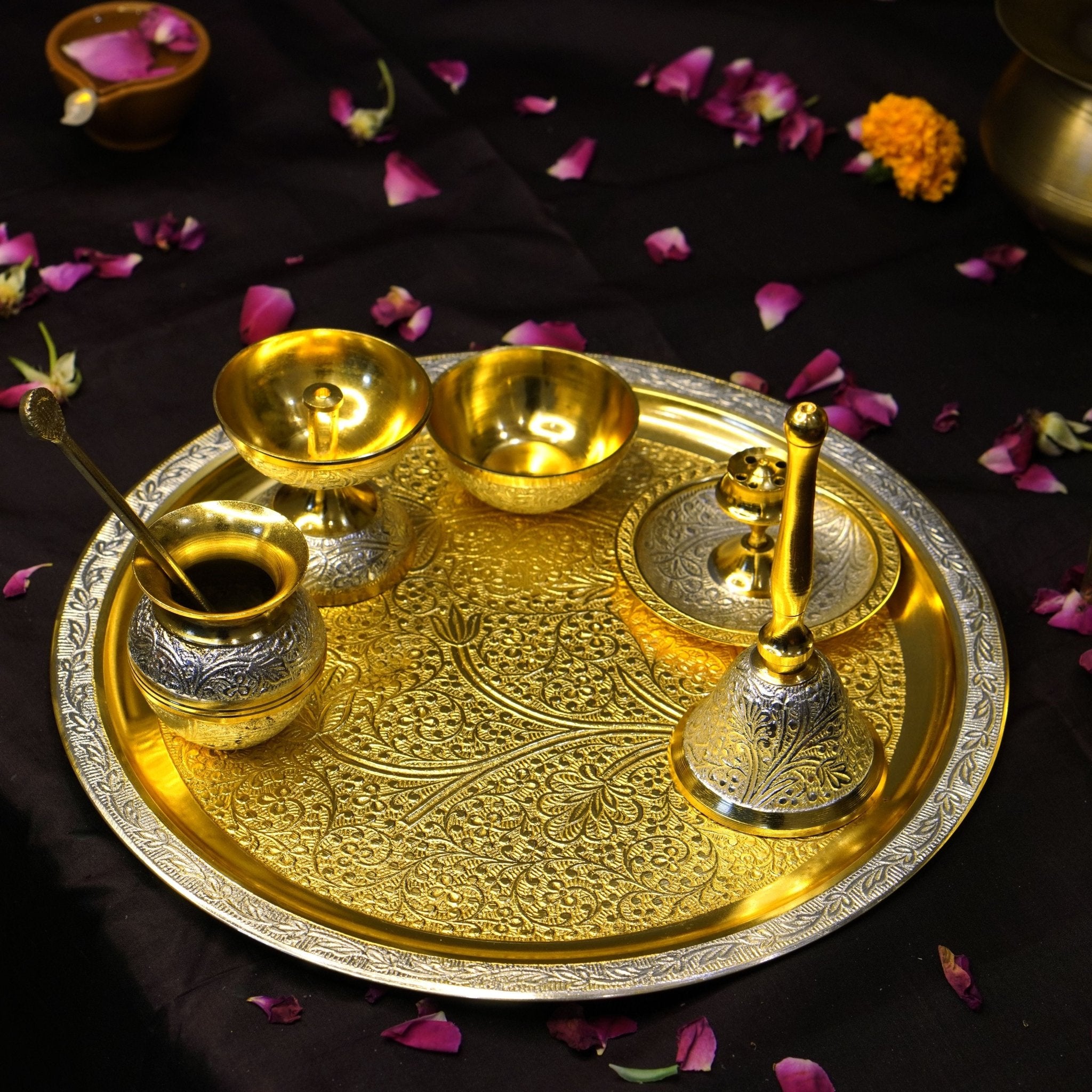
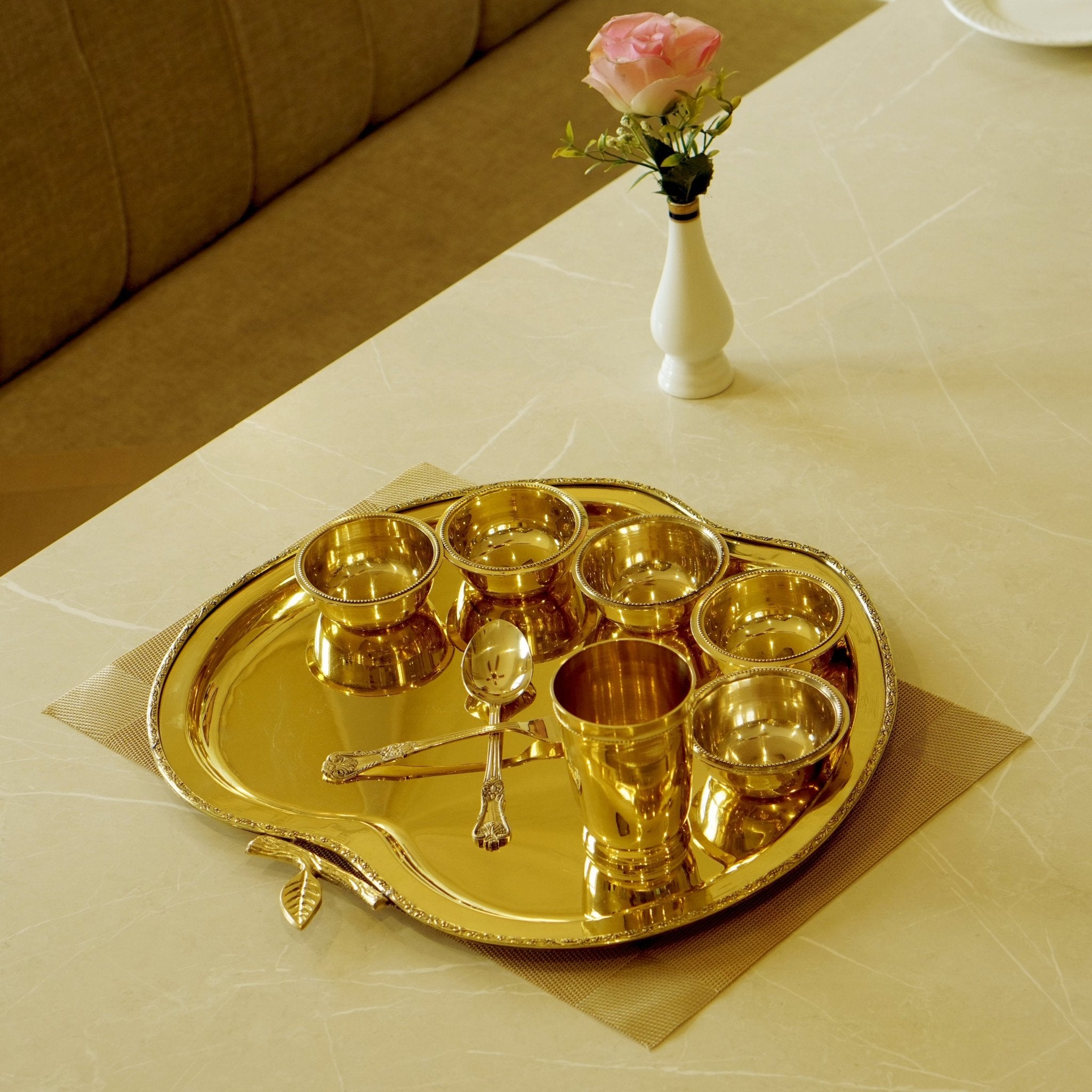
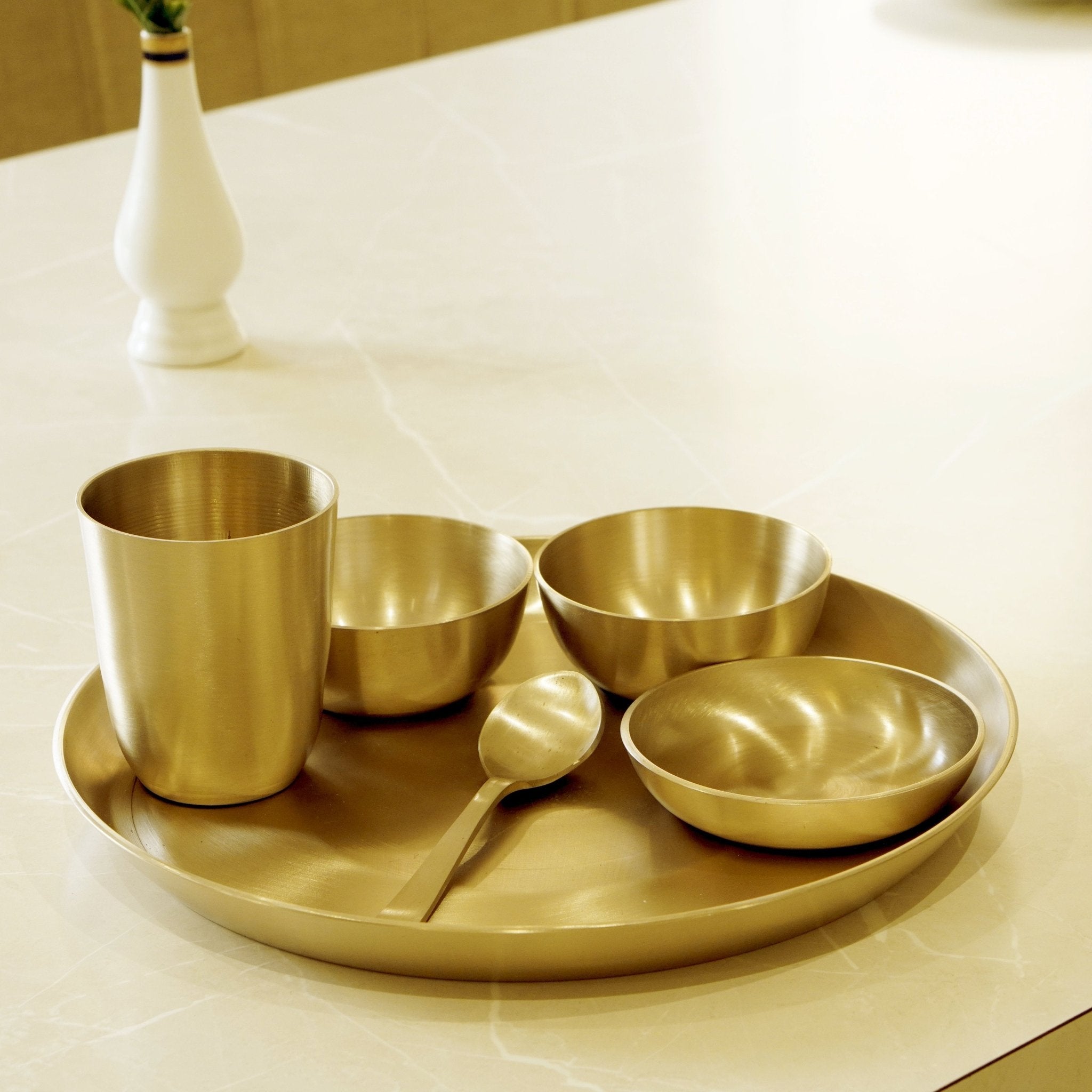
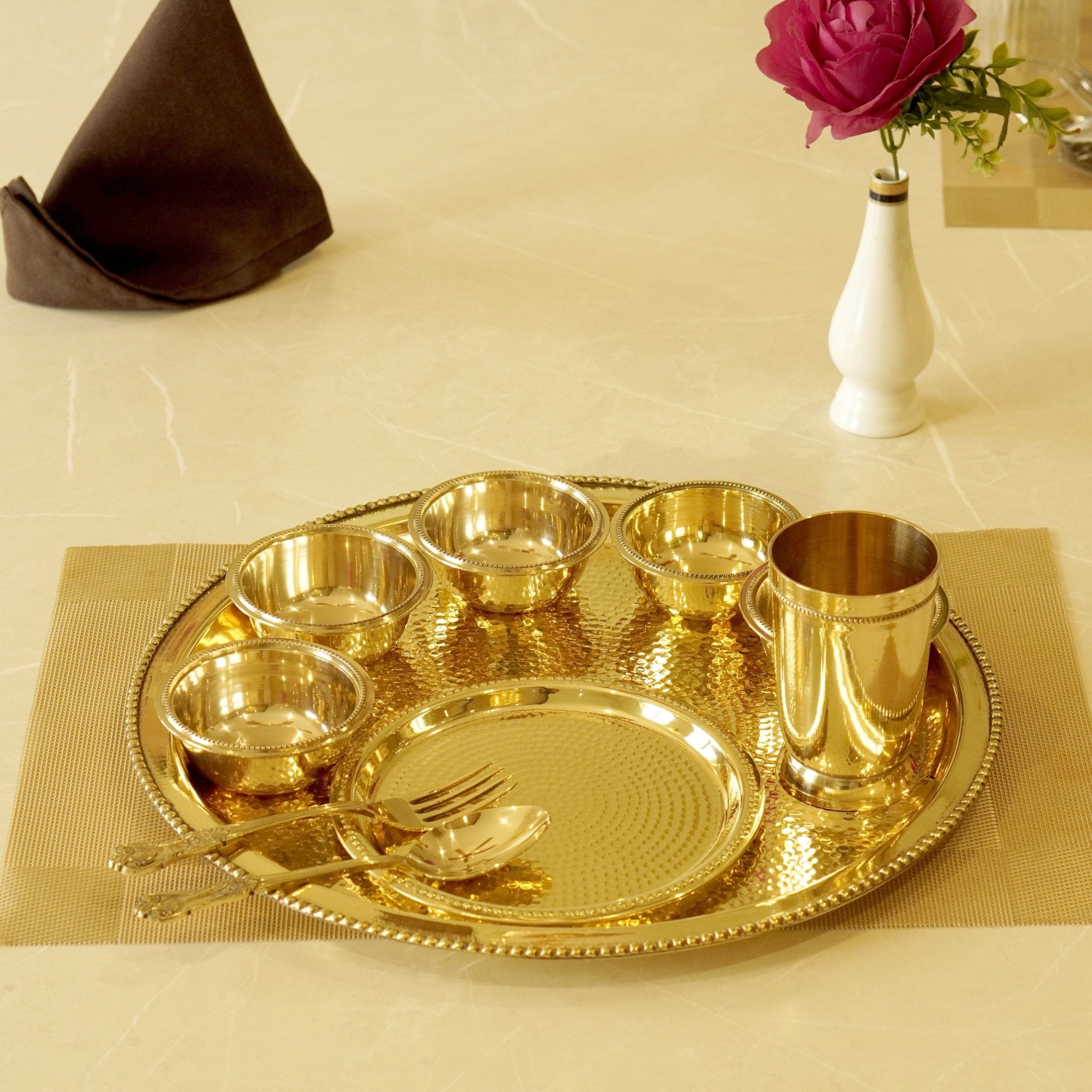
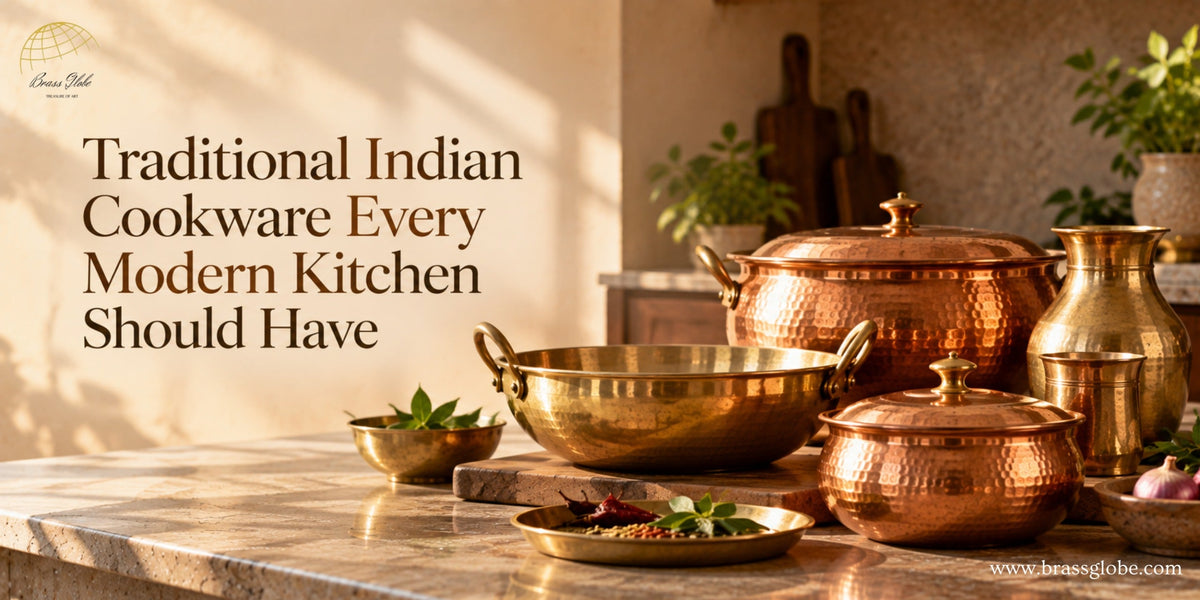
Traditional Indian Cookware Every Modern Kitchen Should Have
There's a particular sound that used to fill Indian kitchens every morning: metal meeting metal. A brass pan set down on the stove. A copper water vessel filled at the tap. A small bell-metal bowl set out before the family sat down to eat. That sound didn't fade because the cookware stopped working. It faded because the kitchen moved faster than tradition could keep pace with.
Traditional Indian cookware never actually disappeared; it just got pushed to the back shelf. Here's why that happened, which pieces are worth bringing back into a modern kitchen, and how to start using them again without overhauling everything at once.
What Happened to India's Traditional Cookware?
It wasn't really a story of rejection. It was more a quiet replacement, gradual enough that most households barely noticed it happening.
Aluminium became popular because it was relatively affordable and lightweight. Stainless steel gained popularity because it was durable, rust-resistant, and easy to clean. Then non-stick coatings offered another layer of convenience, making everyday cooking and cleaning simpler for busy households.
As these materials became more common, traditional brass, copper, and bell-metal utensils gradually moved away from daily use. The artisans who once repaired and re-tinned metal vessels also became less visible in many communities.
The knowledge surrounding traditional cookware didn't disappear because the materials stopped being useful. In many households, the vessels simply stopped being part of everyday routines.
The Numbers Worth Knowing
- Approximately 16 hours: A published study investigated copper vessels for reducing certain disease-causing bacteria in contaminated stored water over a period of around 16 hours.
- Three traditional metals: Brass, copper, and bell metal have long-standing roles in Indian kitchens and dining traditions.
- No lining for serving: Bell-metal serving bowls generally do not require the tin lining traditionally used in brass or copper cookware intended for cooking.
These figures and distinctions provide a starting point for understanding traditional metalware. Actual performance and safety depend on the alloy, manufacturing quality, intended use, and condition of the utensil.
Brass: The Versatile Traditional Metal
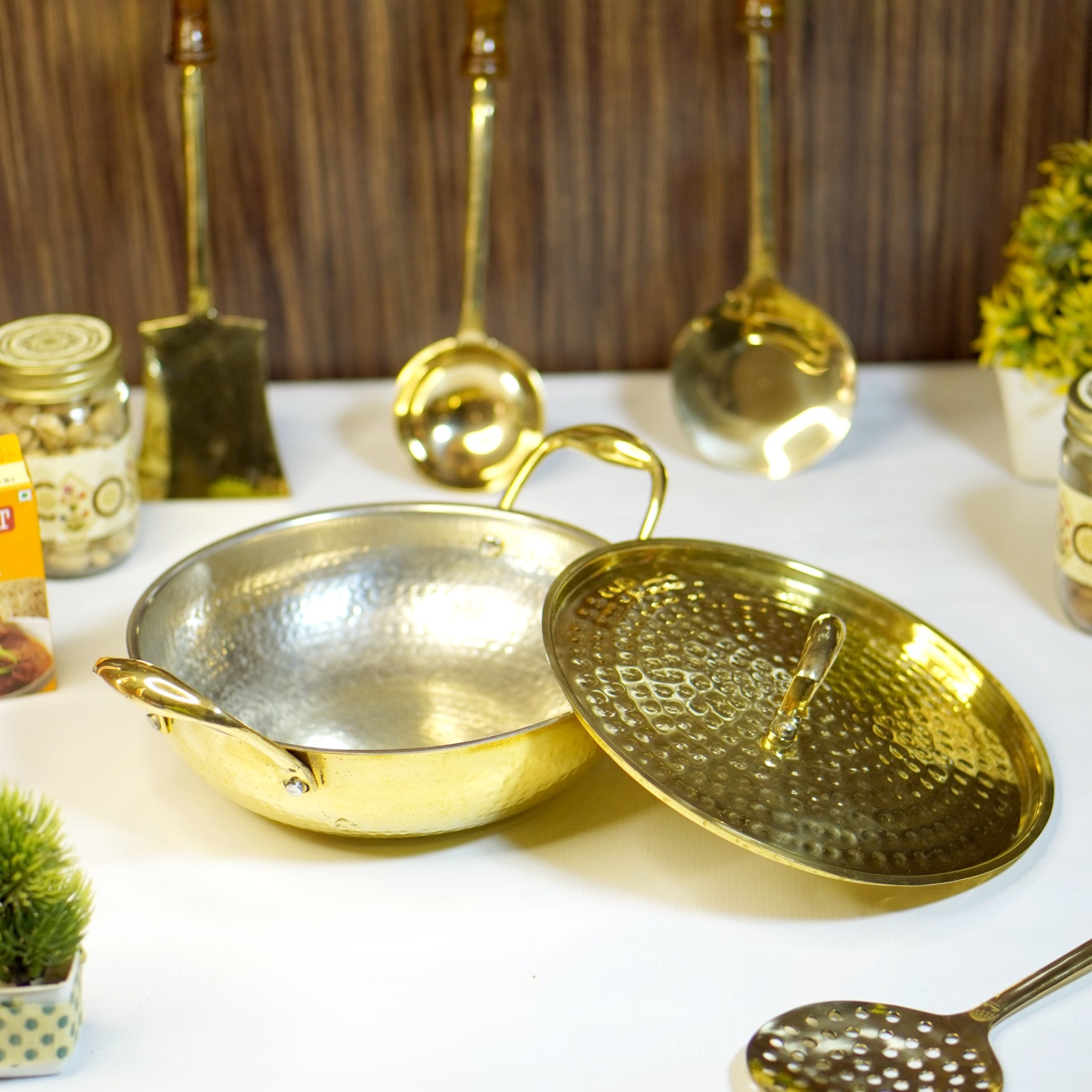
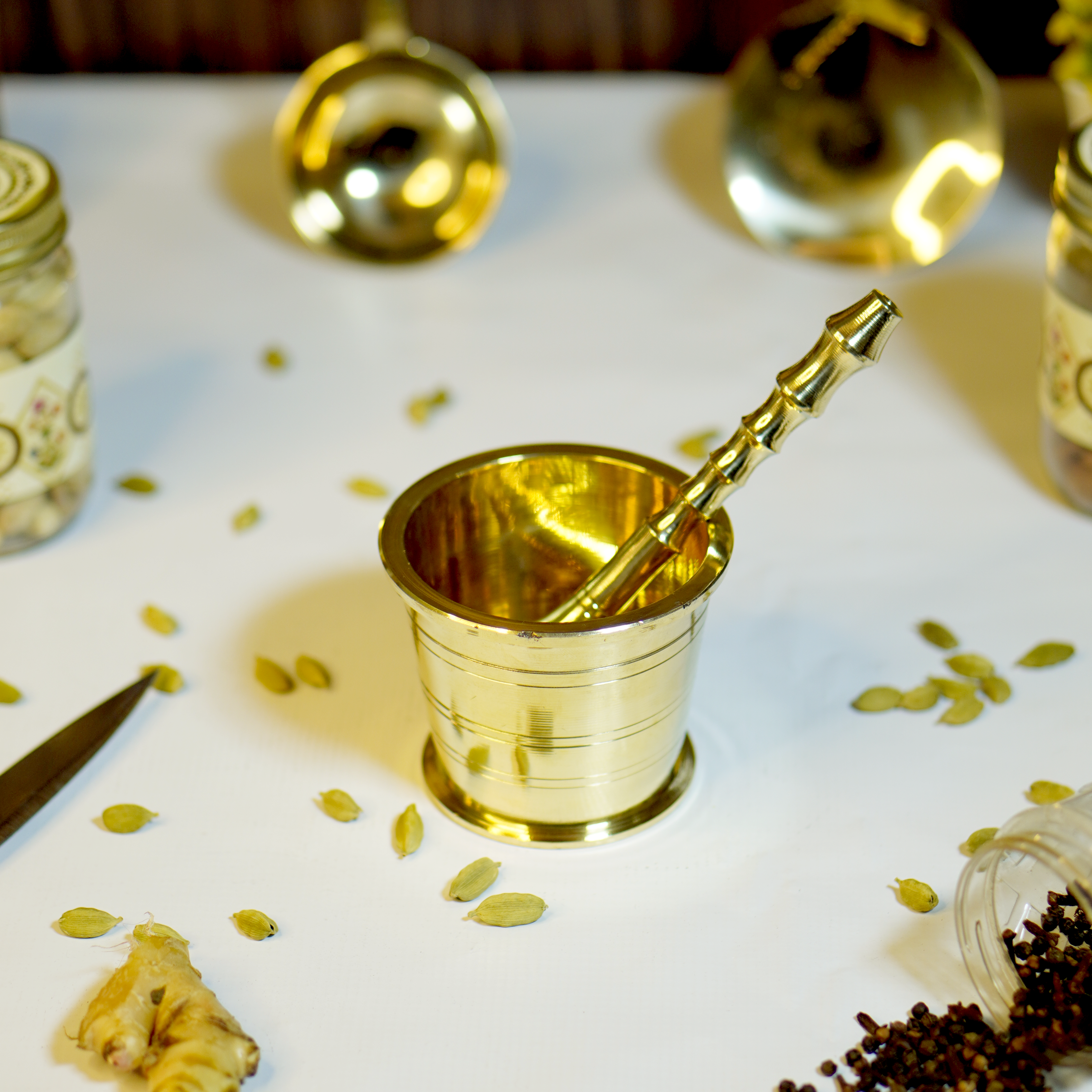
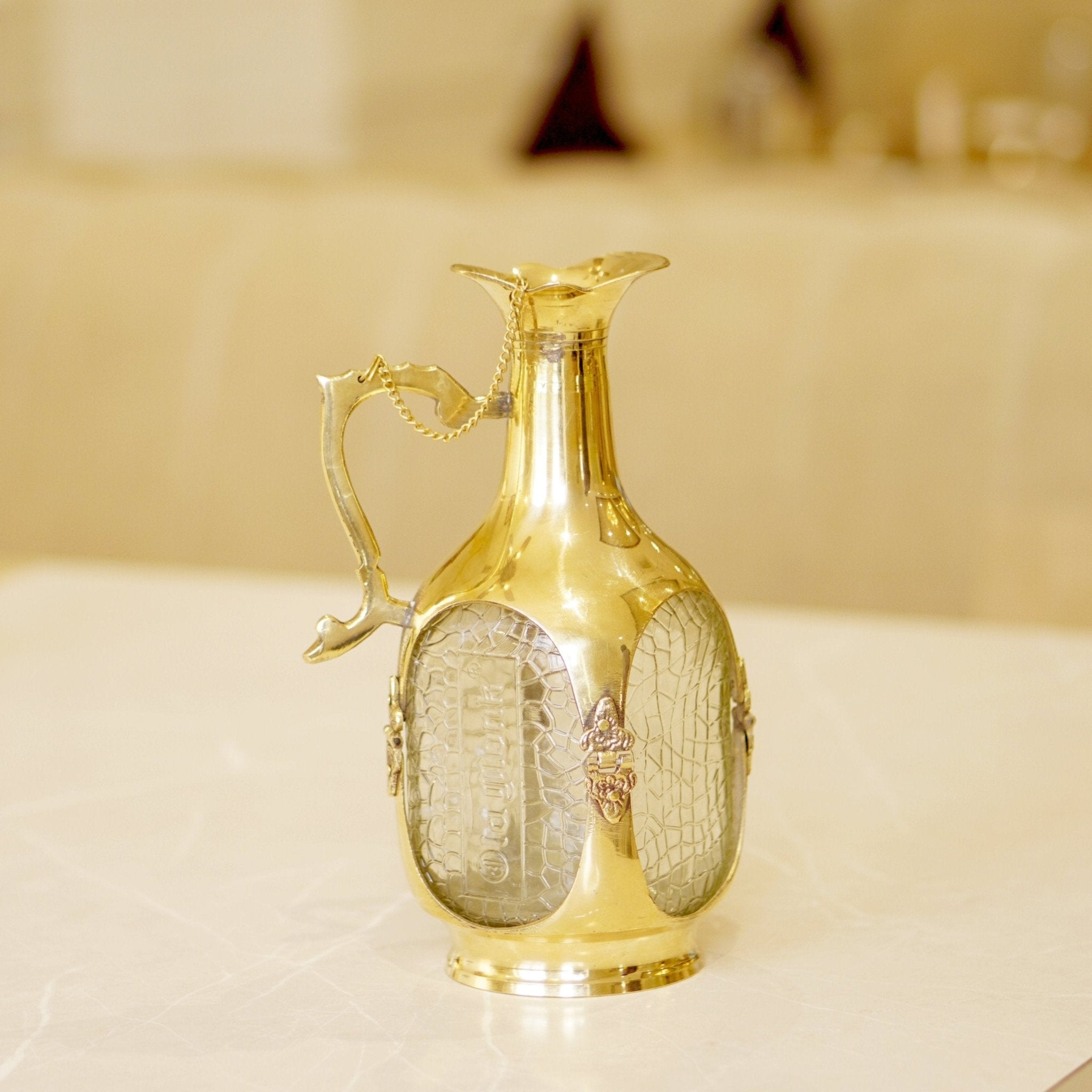
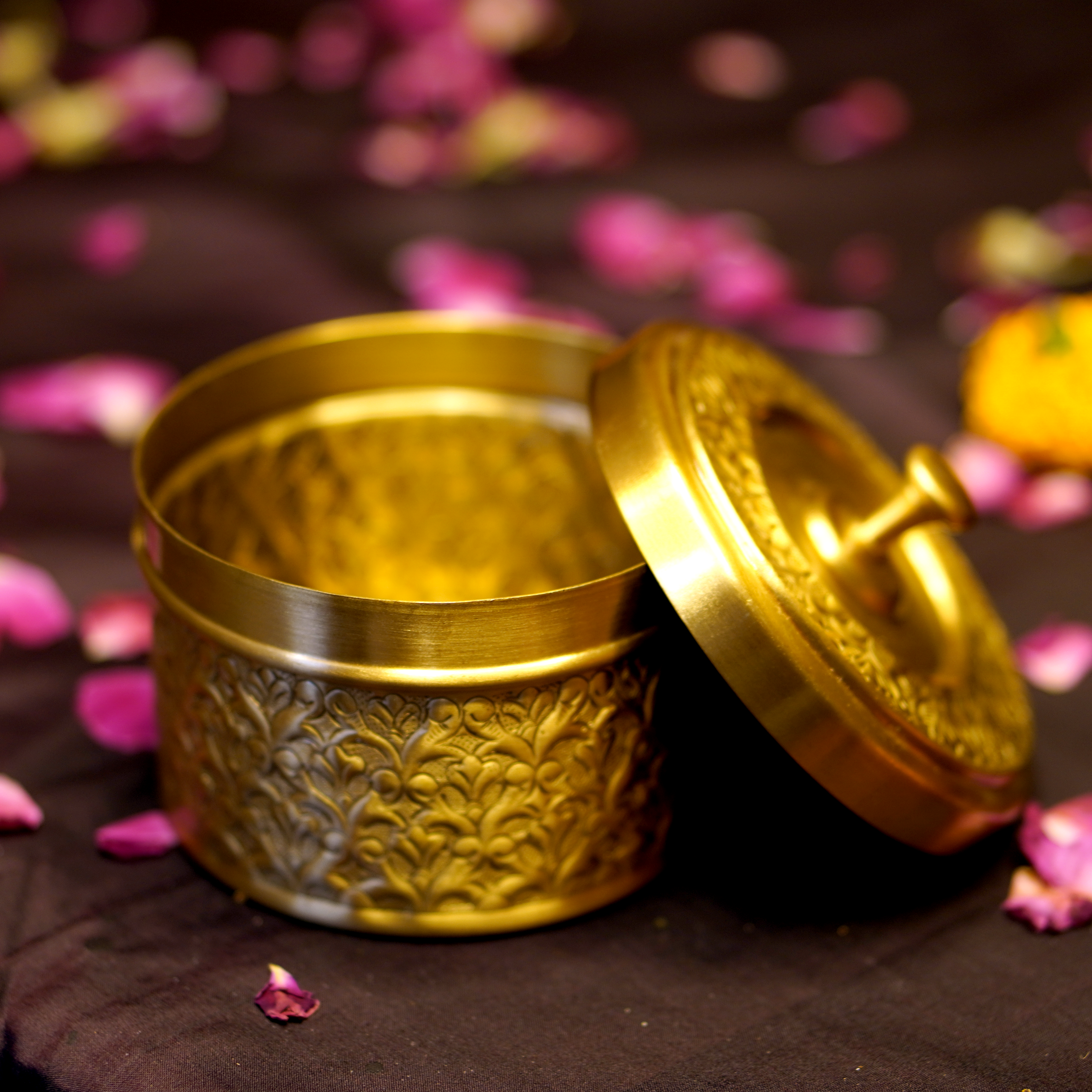
Range is what earned brass its place. Made primarily from copper and zinc, brass appears in cookware, serveware, religious items, decorative objects, and many other household products. Few traditional Indian metals cover as many different uses.
Brass contains copper, and copper-rich surfaces can inhibit the growth of certain microorganisms under suitable conditions. Brass also offers useful heat-distribution and heat-retention properties, depending on the vessel's thickness and construction.
For cooking, traditional brass vessels are generally lined with tin through a process known as kalai. This creates a barrier between the food and the brass beneath. Brass dough trays, serving bowls, and other non-cooking utensils may remain unlined when they are made and intended for those purposes.
One of brass's appealing characteristics is its longevity. With appropriate care, a well-made brass utensil can last for decades. Its surface may darken or develop a patina with use, which many people appreciate as part of its traditional character.
Unlike a coated pan that may need replacement when its non-stick surface deteriorates, a solid brass vessel can often remain useful for many years. Cooking vessels still require inspection of their lining and professional re-tinning when necessary.
Copper: The Traditional Water-Storage Choice
One habit helped establish copper's reputation in Indian households: storing drinking water in a copper vessel, traditionally overnight. The practice is associated with Ayurvedic traditions and has been followed in many homes for generations.
There is also scientific research on copper's antimicrobial properties. A study published in the Journal of Health, Population and Nutrition investigated the use of copper pots for storing contaminated drinking water and reported substantial reductions in several disease-causing bacteria after approximately 16 hours.
This effect is associated with the release of copper ions, which can damage certain microorganisms under suitable conditions. However, the results of a controlled study should not be treated as a guarantee that copper-vessel water is sterile or safe regardless of its original quality.
How to Use a Copper Water Vessel
- Use the vessel for plain, potable water at room temperature.
- Avoid storing lemon water, fruit juice, milk, carbonated drinks, or other acidic and reactive liquids in it.
- Empty and refill the vessel regularly rather than leaving the same water standing indefinitely.
- Clean the interior regularly using a method suitable for copper, rinse thoroughly, and dry it as appropriate.
- Do not assume that copper-vessel storage makes unsafe drinking water safe. Use a reliable water source and appropriate treatment where necessary.
Copper is also an excellent heat conductor, which makes it useful in cookware. However, copper cookware intended for cooking should have a suitable, intact food-contact lining, typically tin or stainless steel. Bare copper is not recommended for general cooking, especially with acidic ingredients.
Bell Metal: The Traditional Dining Metal
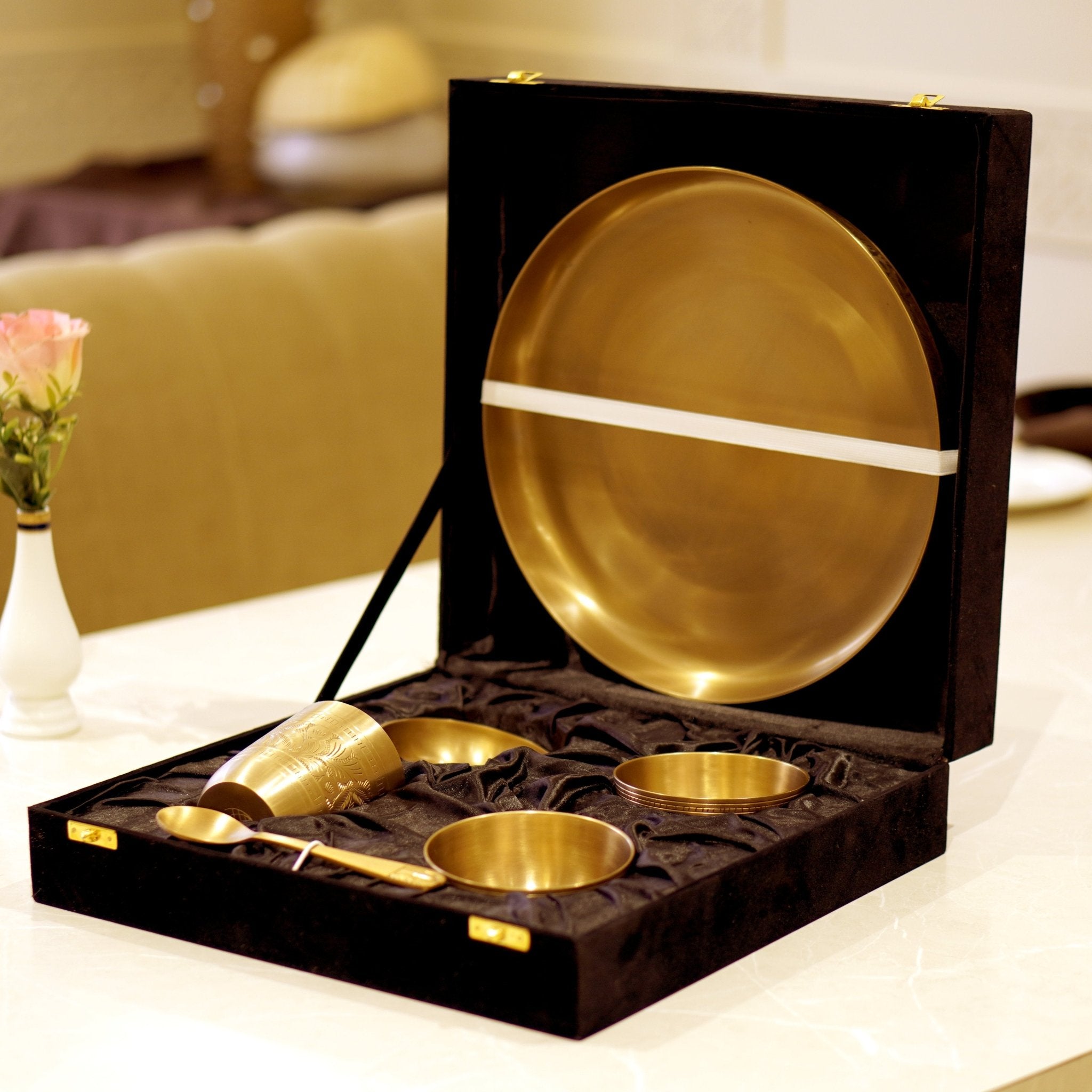
Bell metal is a traditional copper-tin alloy associated with temple bells and Indian dining utensils. Its exact composition varies, and authentic bell-metal pieces are valued for their distinctive appearance, weight, and resonant sound.
When tapped, a well-made bell-metal object may produce a clear, sustained ring. Sound alone, however, cannot confirm an alloy's composition or establish that a utensil is safe for food contact.
In Ayurvedic and other traditional food practices, bell metal is valued as a material for eating and serving. Some traditional health claims associated with it should be understood as cultural beliefs rather than established clinical conclusions.
One practical distinction is that bell-metal dining bowls are generally used without the tin lining required by traditional brass or copper cooking vessels. This does not mean that every product sold as bell metal is automatically safe. The alloy, surface finish, manufacturing quality, and intended use still matter.
For daily dining, choose a reputable food-contact product and follow the manufacturer's cleaning and use instructions.
Traditional Indian Cookware vs Modern Cookware
Comparing traditional and modern cookware side by side makes the trade-offs easier to understand. Neither category is automatically better in every situation.
| Feature | Traditional Indian Cookware | Modern Cookware |
|---|---|---|
| Materials | Brass, copper, and bell metal | Stainless steel, aluminium, and non-stick-coated cookware |
| Heat behaviour | Copper conducts heat efficiently; brass can offer useful heat retention depending on construction | Varies by material, thickness, and construction |
| Maintenance | May need polishing, careful cleaning, and occasional relining for traditional cookware | Often straightforward, especially stainless steel |
| Lifespan | Can last decades with appropriate care | Varies; stainless steel can last a long time, while non-stick coatings may eventually wear |
| Antimicrobial properties | Copper and some copper alloys can inhibit certain microorganisms under suitable conditions | Depends on the material; antimicrobial activity is not a general feature of every modern cookware product |
| Everyday convenience | Some pieces need more specialised cleaning and care | Many products are designed for simple cleaning and everyday convenience |
| Appearance | Develops patina and traditional character over time | Depends on the material and finish |
Neither option wins across the board. Many modern kitchens successfully use both: stainless steel and suitable non-stick cookware for everyday convenience, with brass, copper, and bell metal reserved for the tasks where their particular characteristics and traditional significance are most valued.
Why Bring Traditional Indian Cookware Back?
1. Long-Lasting Materials
Well-made brass, copper, and bell-metal utensils can remain useful for decades when properly maintained. Repairing and maintaining durable metalware can also reduce the need for frequent replacement.
2. Useful Heat Properties
Copper is known for its high thermal conductivity, while brass cookware can provide useful heat distribution and retention depending on its design. These properties can be valuable for particular cooking techniques, provided the food-contact surface is suitable for cooking.
3. Traditional Craftsmanship
Many traditional utensils showcase metalworking techniques, regional designs, and skills passed down through generations. Bringing these pieces into daily use can help preserve an important part of India's material and culinary heritage.
4. Reusable and Repairable
Durable metal utensils can often be maintained, polished, or repaired rather than discarded. Brass and copper cookware may also be re-tinned when their lining wears down. The overall environmental impact still depends on manufacturing, transport, maintenance, and how long a piece remains in use.
5. A Distinctive Dining Experience
Traditional metalware brings a different texture, weight, appearance, and feel to the dining table. For many households, its appeal is not only practical but also cultural and personal.
How to Start Using Traditional Indian Cookware
Bringing traditional metalware into a modern kitchen does not mean replacing every utensil at once. A gradual approach makes it easier to understand the care requirements and decide which pieces genuinely suit your routine.
Start with a Copper Water Vessel
If you want to explore traditional water-storage practices, a copper vessel can be a simple starting point. Use it only for plain, potable water and follow appropriate cleaning and storage practices.
Add a Brass Dough Tray
If you regularly prepare rotis, parathas, or other flatbreads, a traditional brass dough tray, or paraat, can be a useful addition. Choose a stable, well-finished vessel that is comfortable to handle and easy to clean.
Try a Bell-Metal Serving Bowl
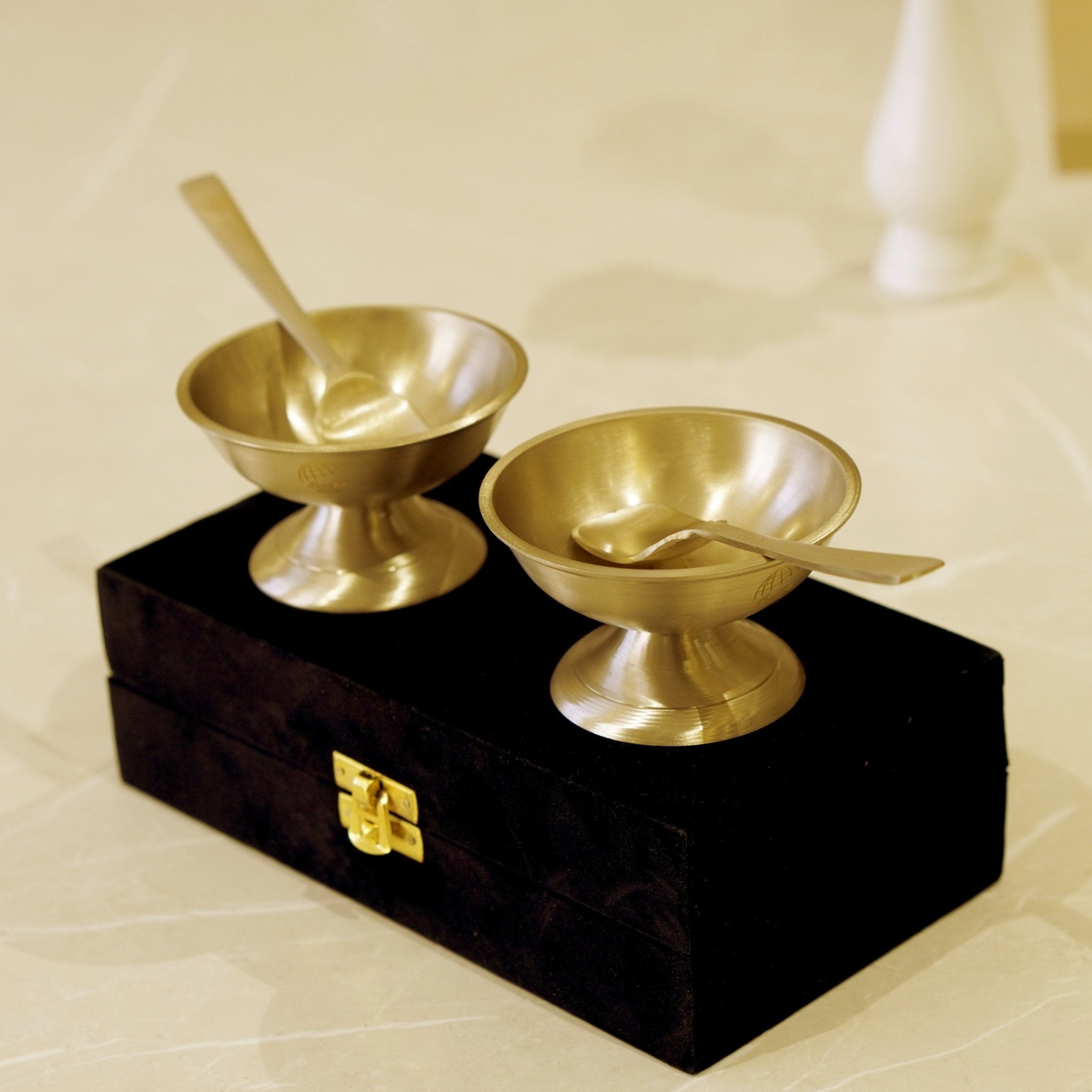
A bell-metal bowl lets you introduce traditional metalware into everyday dining without changing your cooking routine. Start with one food-contact product from a reputable seller and follow its care instructions.
Try using one new piece consistently for a few weeks before buying more. This gives you time to learn its maintenance requirements and see whether it fits your household's habits.
Care Guide: Brass, Copper, and Bell Metal
| Care Step | Brass | Copper | Bell Metal |
|---|---|---|---|
| Routine cleaning | Mild soap and a soft cloth | Mild soap and a soft cloth | Mild soap and a soft cloth |
| Traditional polishing | Tamarind-based methods suitable for the finish | Lemon-based methods suitable for the finish | A suitable metal cleaner or a gentle traditional method recommended for the alloy |
| What to avoid | Dishwashers, steel wool, and abrasive cleaning | Long-term storage of acidic liquids and abrasive cleaning | Harsh abrasives, prolonged soaking, and unsuitable cleaning chemicals |
| Inner lining for cooking | Generally required for traditional brass cookware | Required for cookware intended for general food preparation | Depends on the exact alloy and product; follow the manufacturer's intended-use guidance |
Always rinse cleaning products thoroughly and dry utensils properly. Acidic polishing methods can affect some finishes, so test cautiously and follow the manufacturer's instructions. Inspect lined cookware regularly, and stop using it for cooking if the lining is peeling, flaking, or exposing the underlying metal. Have it professionally assessed and relined before reuse.
For more detailed information, explore our complete guide to brass utensils, guide to copper utensils, and guide to bell-metal utensils.
Frequently Asked Questions
What counts as traditional Indian cookware?
Traditional Indian metalware includes brass, copper, and bell metal, which have long been used for different purposes across Indian households. Depending on the region and cooking tradition, other materials such as iron, clay, and stone are also important parts of traditional kitchens.
Is traditional Indian cookware safe to use daily?
It can be, provided the utensil is well made, suitable for its intended use, and maintained correctly. Traditional brass and copper cookware generally needs an intact food-safe lining for cooking. Bell-metal products should be purchased from reputable sources and used according to their intended purpose.
Do I need to replace my entire kitchen to use traditional cookware?
No. Start with one piece, such as a copper water vessel, a brass dough tray, or a bell-metal serving bowl. Add other pieces gradually as you become familiar with their uses and care requirements.
Why did traditional Indian cookware fall out of use?
Aluminium, stainless steel, and non-stick cookware became popular because they offered different combinations of affordability, durability, ease of cleaning, and convenience. As household routines changed, traditional metalware gradually became less common in everyday use.
Which traditional metal should I start with?
The best starting point depends on your needs. A copper vessel may suit someone interested in traditional water storage, a brass dough tray can be useful for regular flatbread preparation, and a bell-metal bowl is a simple way to introduce traditional metalware into dining.
Can traditional brass and copper utensils be used for acidic foods?
Only when the cookware has an appropriate, intact food-contact lining and is designed for that use. Bare brass and copper can react with acidic ingredients, so unlined or damaged cookware should not be used for general cooking.
How long does traditional metal cookware last?
Well-made brass, copper, and bell-metal utensils can last for decades with appropriate care. Their lifespan depends on the quality of the alloy, how frequently they are used, cleaning practices, and whether any required lining is properly maintained.


Leave a comment
This site is protected by hCaptcha and the hCaptcha Privacy Policy and Terms of Service apply.