
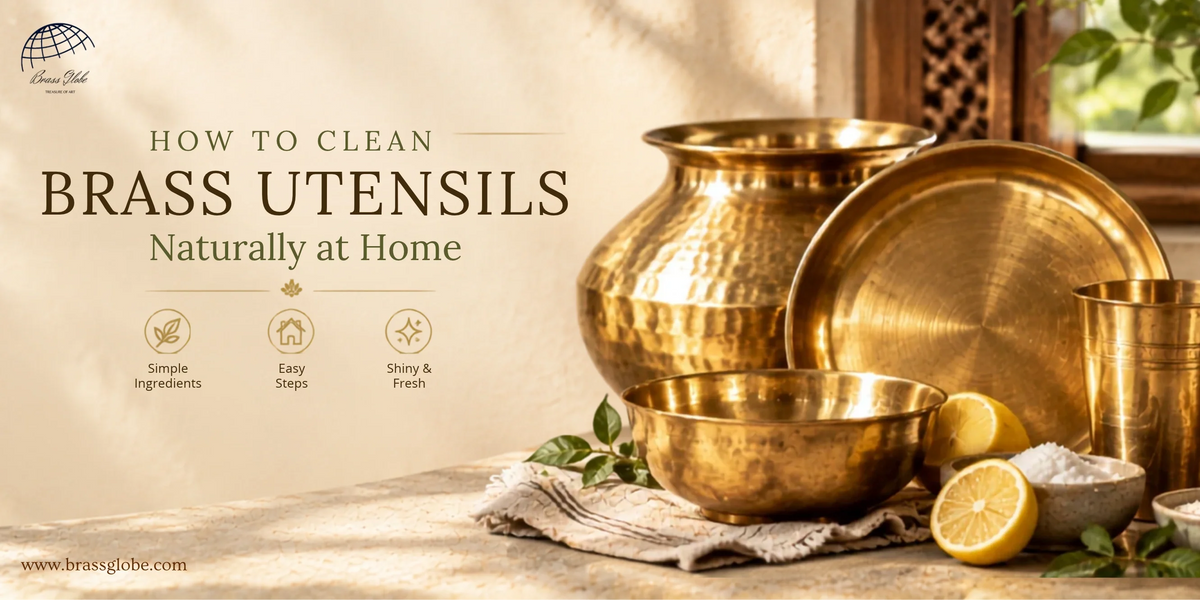
How to Clean Brass Utensils Naturally at Home
Right now, quietly, every piece of brass in your kitchen is reacting with the air around it. That dull brownish film spreading across a thali or a lota isn't dirt. It's oxidation. Indian households have been dealing with it for generations, and mostly with whatever was already sitting in the masala dabba, no chemicals, no branded polish, nothing bought specially.
This guide covers how to clean brass utensils the natural way, which method suits which piece, and, more importantly, the finish-specific cautions nobody mentions until after someone's already ruined something.
Why Brass Turns Dull in the First Place
Copper and zinc, alloyed, that's brass. The copper reacts with oxygen and moisture in the air, forms copper oxide, and that's your tarnish. Mild food-safe acids break that oxide layer down and bring the gold back up to the surface.
That's genuinely the entire mechanism. Everything below is just a different way of getting a gentle acid onto the same problem.
Before You Start: Know Your Finish
Most guides on how to clean brass utensils skip straight to the lemon and salt. Don't. Which finish you're working with matters more than which acid you pick, and getting it wrong causes damage that doesn't come back.
Lacquered brass carries a clear protective coating over the metal. It's why the piece hasn't tarnished despite sitting out for months. Acid eats straight through that coating and leaves the surface patchy. If it still looks glossy after ages untouched, assume lacquer. Soap and warm water, that's it.
Unlacquered brass is raw metal, nothing sealing it, tarnishing away naturally. This is the only finish where the acid methods below actually belong.
Antique or deliberately darkened brass got that aged look on purpose, either chemically or over decades. Hit it with acid and the finish strips off permanently. Dust it, wipe it dry, otherwise leave it be.
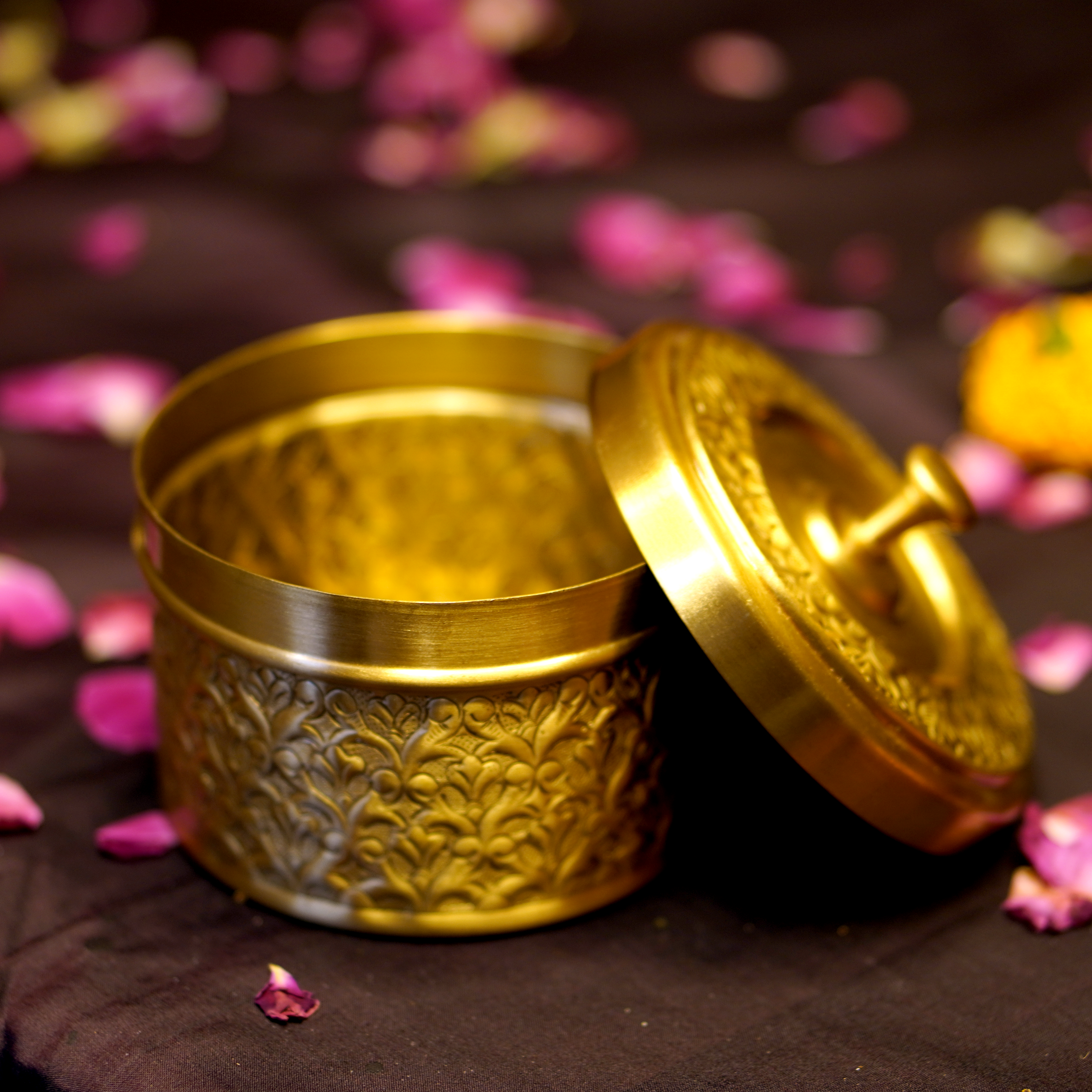
Engraved and etched pieces need the softest option going, because abrasives settle into the detailing and those scratches sit in the grooves forever.
Can't tell which one you've got? Test on a hidden patch, underside of the base, somewhere nobody looks. Two minutes of testing versus a ruined piece, easy trade.
Method 1: Tamarind
The artisan's method, and it's stayed the standard for good reason.
Soak a lemon-sized ball of imli in warm water about ten minutes, until it goes properly soft. Rub the pulp over the brass with your fingers or a soft cloth. Tartaric acid does the dissolving, with basically no abrasion involved, which is exactly why engraved pieces respond so well to it when anything scratchy would cause trouble. Rinse warm, buff dry.
Good for: engraved work, fine detailing, anything you're slightly nervous about.
Method 2: Lemon and Salt
Need something presentable fast? This one.
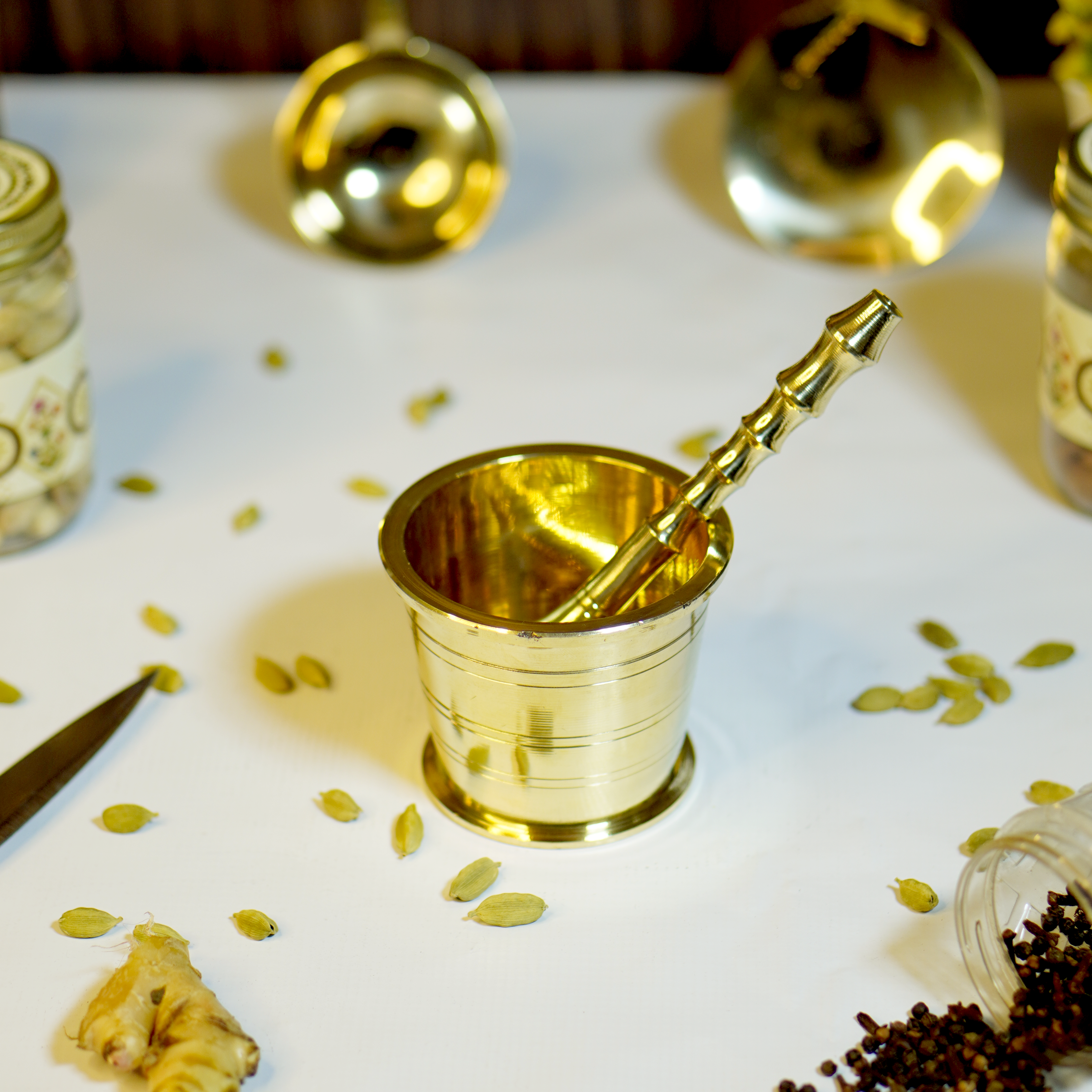
Halve a lemon, press the cut side into salt, scrub in small circles. Citric acid takes on the oxide layer, salt gives just enough grit to lift it away. Two minutes and the difference is obvious.
The one warning worth taking seriously: rinse it off, properly, quickly. Acid sitting on brass stops cleaning and starts staining.
Good for: fast touch-ups, plain surfaces, nothing too detailed.
Method 3: Vinegar, Flour and Salt Paste
Heavy tarnish, spread evenly across something big, this is what handles it.
Mix vinegar, flour and salt into a thick paste you can actually spread. Coat the tarnished areas, leave it ten minutes or so, rinse, buff dry. The flour's doing something specific here, holding the mixture against the metal long enough for the acid to work, which is why it beats a quick lemon rub on stubborn tarnish.
Good for: big thalis, urlis, anything with serious even tarnish over a large surface.
Method 4: Curd or Buttermilk
The village method. By some distance the gentlest thing on this list.
Coat the piece, leave it a while, rinse, dry. Lactic acid moves a lot slower than citric or tartaric. Sounds like a downside right up until you're holding a thin heirloom piece you'd genuinely rather not risk.
Good for: old, thin, or sentimental pieces where slow beats effective.
Method 5: Warm Soapy Water
Sometimes acid isn't the answer at all. Lacquered brass and everyday pieces just need mild soap and warm water, and honestly anything stronger will take the lacquer off with it.
Good for: lacquered pieces, weekly upkeep, maintenance rather than restoration.
The Mistakes That Ruin Brass
Steel wool and harsh scouring pads will absolutely clear your tarnish, and leave permanent scratches while they're at it. Soft cloth, always.
Leaving acid on too long doesn't clean deeper, it stains. Rinse within a couple of minutes, no exceptions.
Air-drying seems harmless, isn't. Those water spots become next week's tarnish. Buff dry with soft cotton.
Dishwashers, just never. Detergent and sustained heat together pit and discolour brass, and nothing brings that back.
And using acid on lacquered or antique pieces, covered already, but it's the single most common way people wreck a piece while trying to improve it.
Caring for Specific Brass Pieces
Different pieces live very different lives, so the care changes.
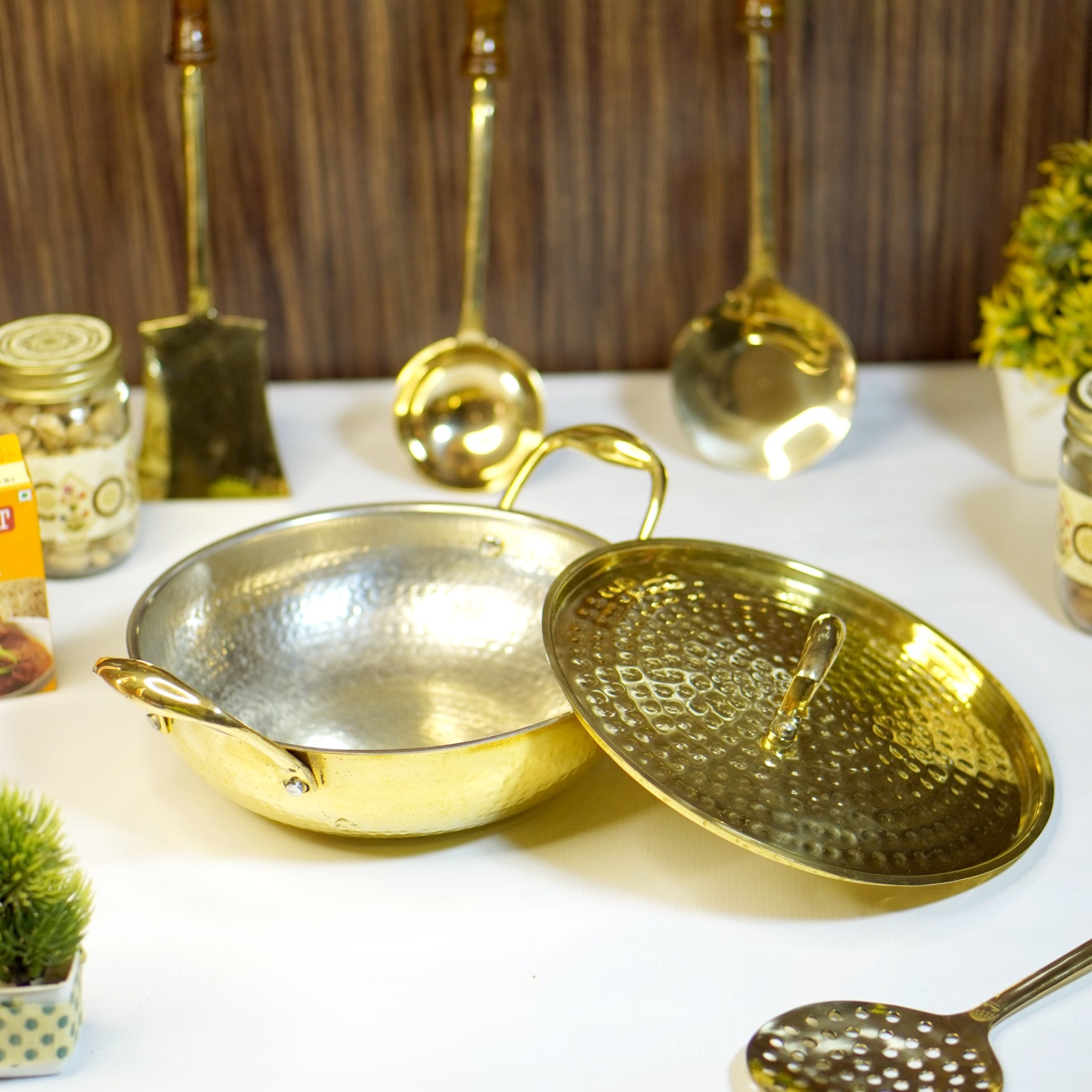
Cooking vessels need the most work by far, since heat and oil residue build up in ways a décor piece never has to deal with. Clean after each use instead of letting residue set in. For a brass tawa or kadhai, seasoning matters every bit as much as cleaning does.
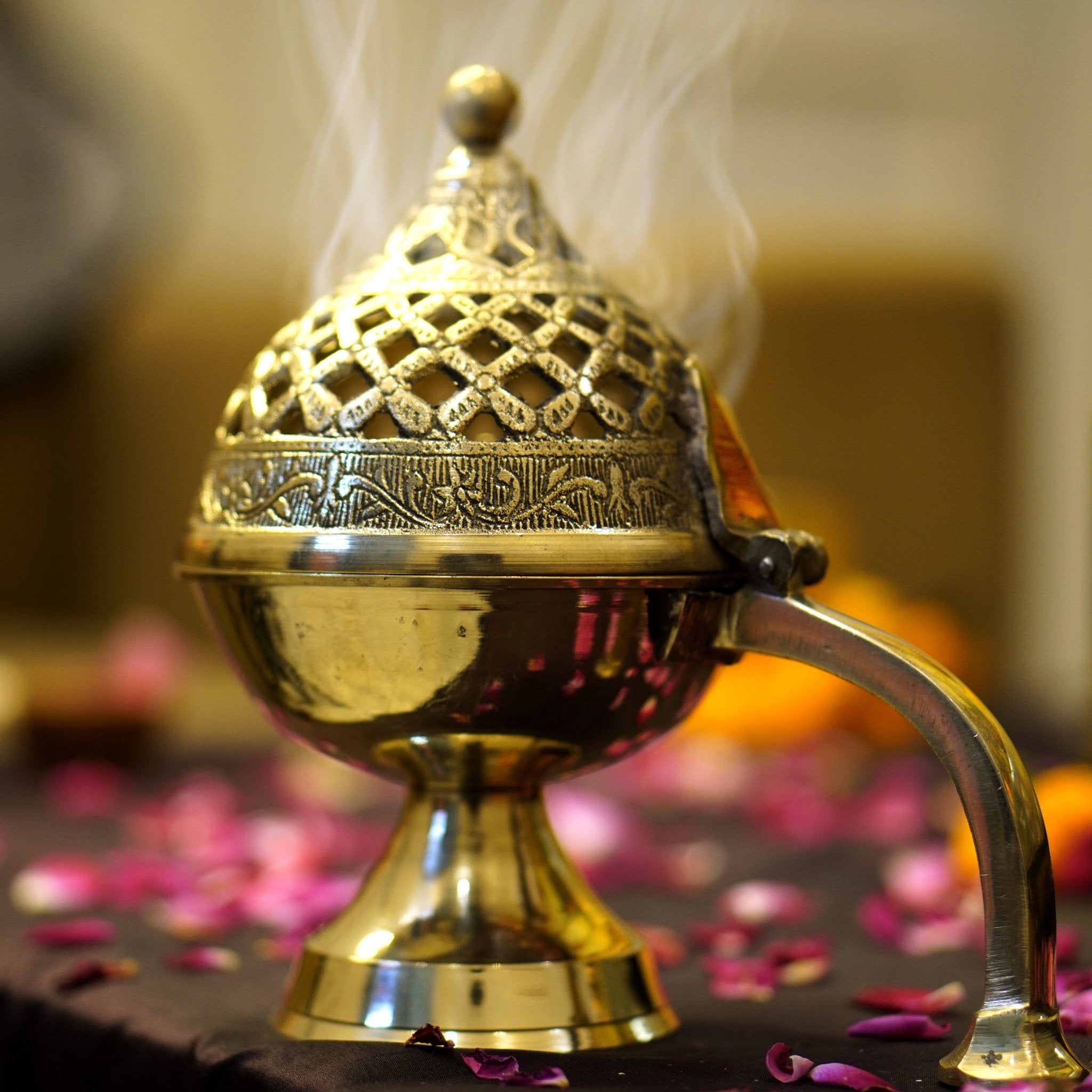
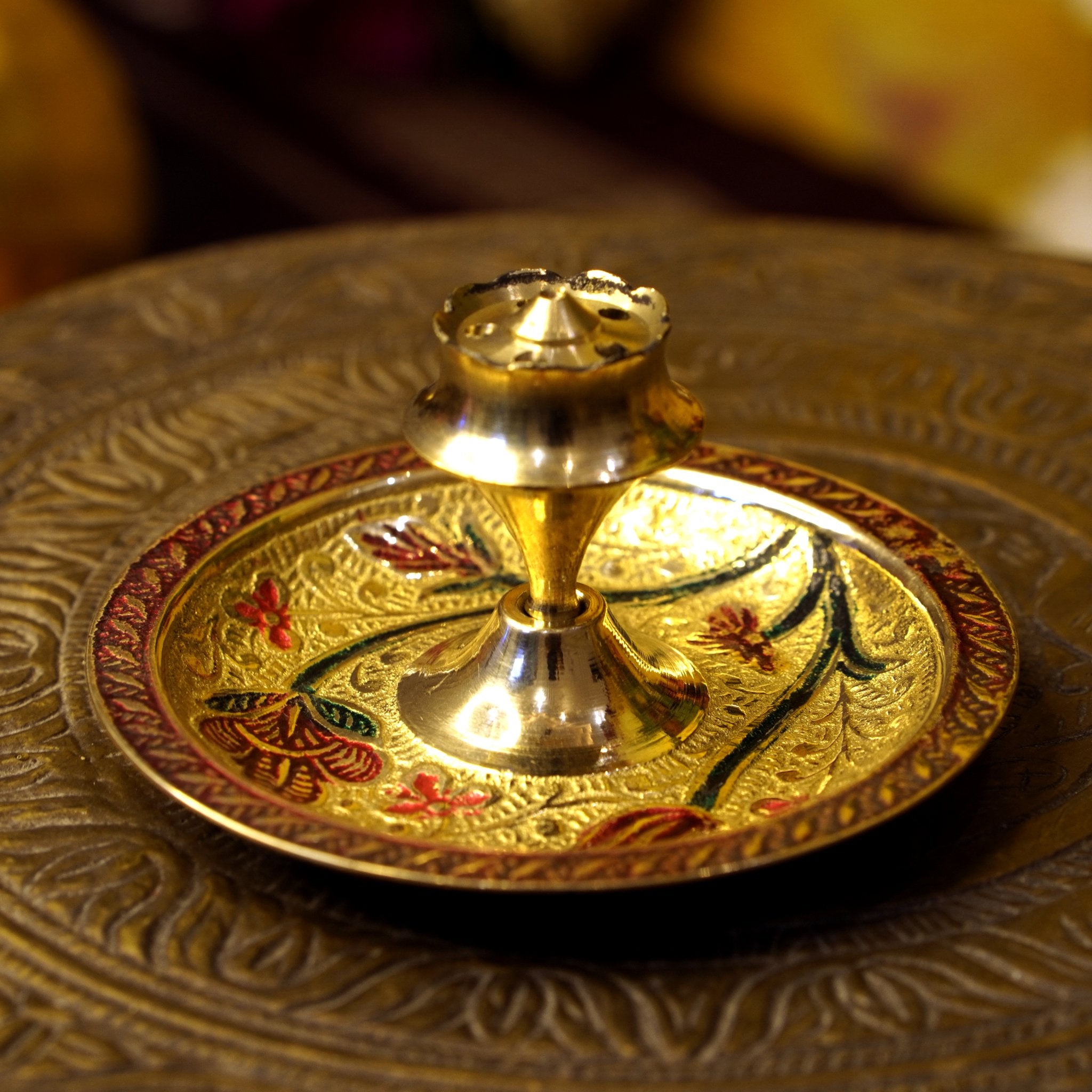
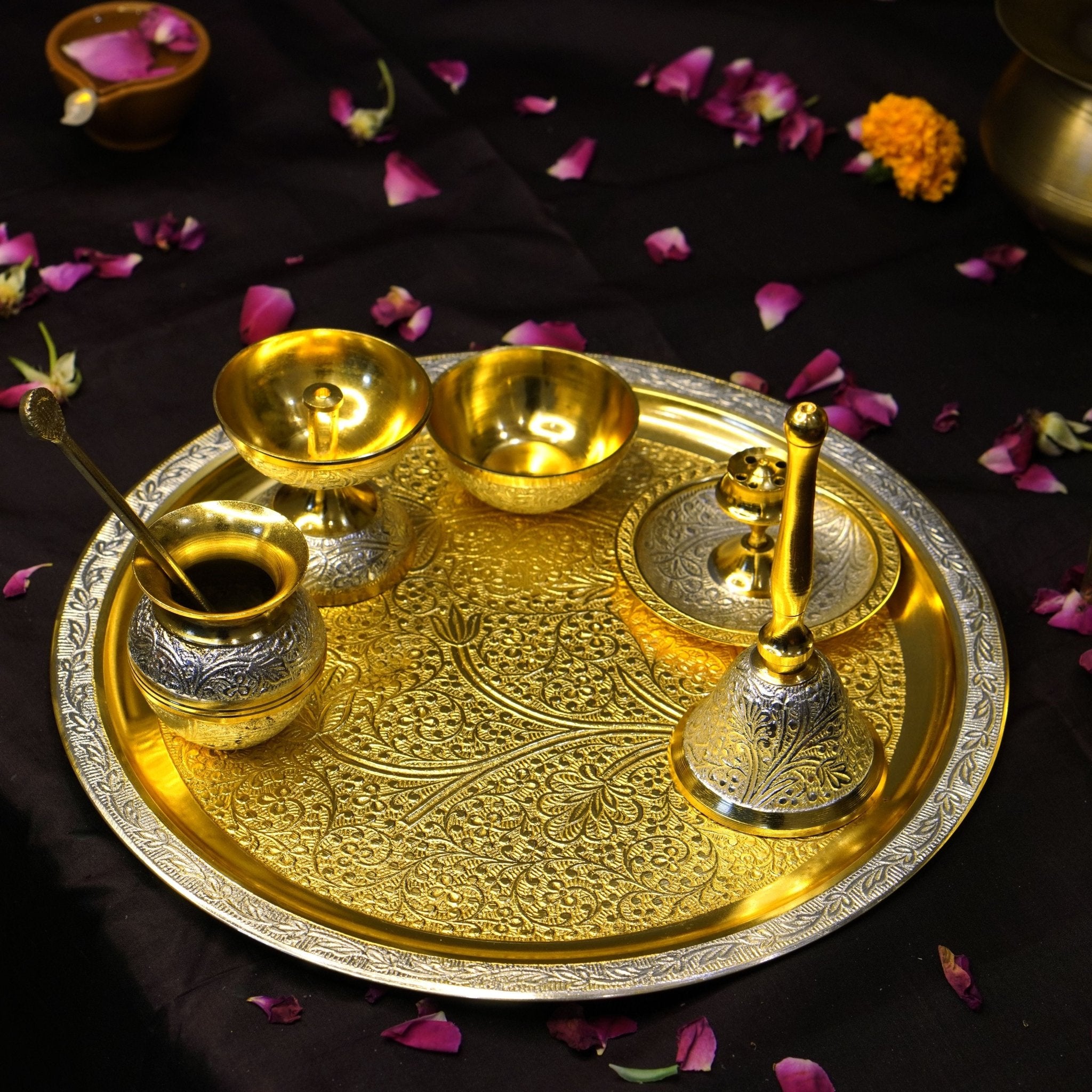
Diyas and pooja items collect oil and soot constantly. Let them cool right down first, then clear the residue before it hardens. Engraved diyas want tamarind, nothing abrasive anywhere near them.
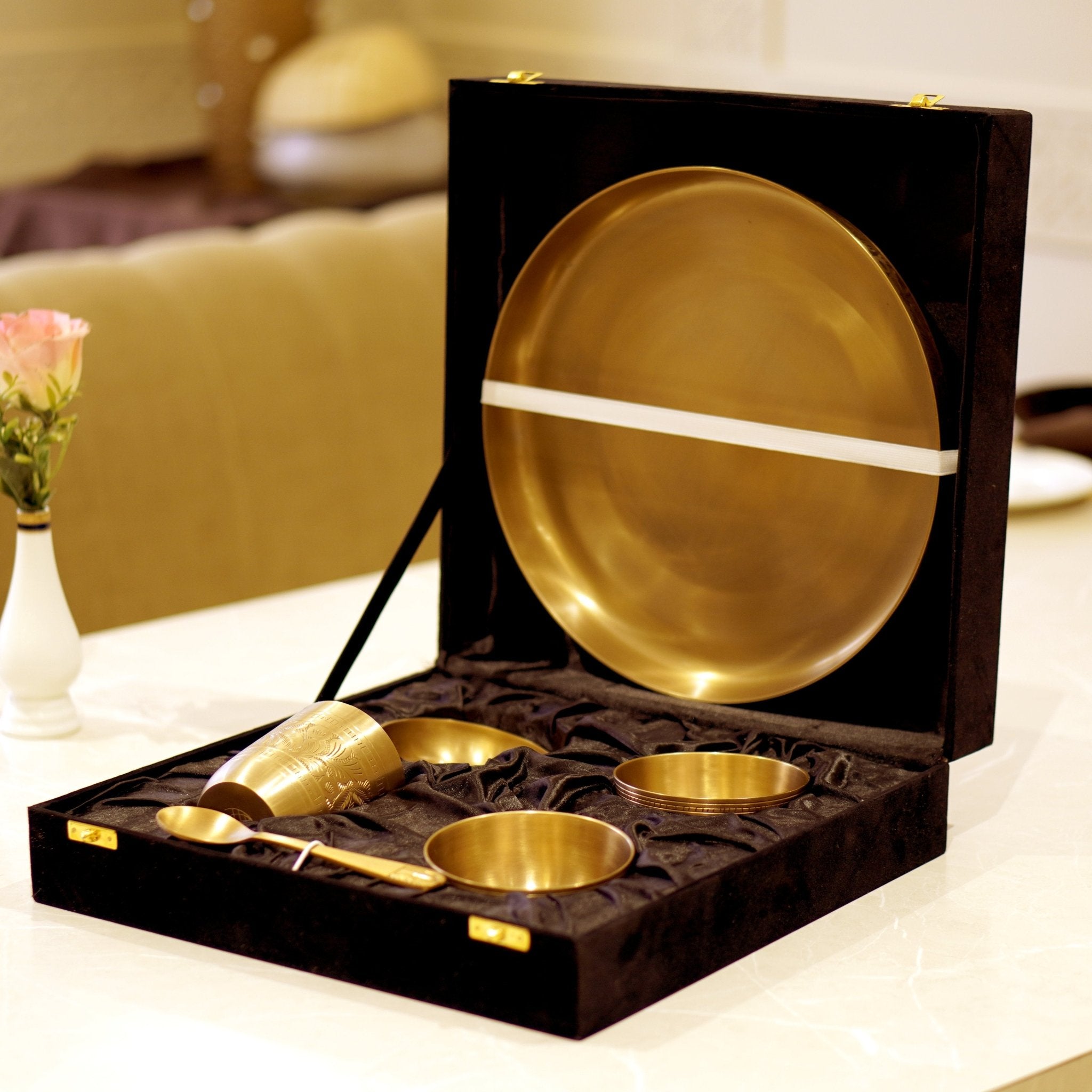
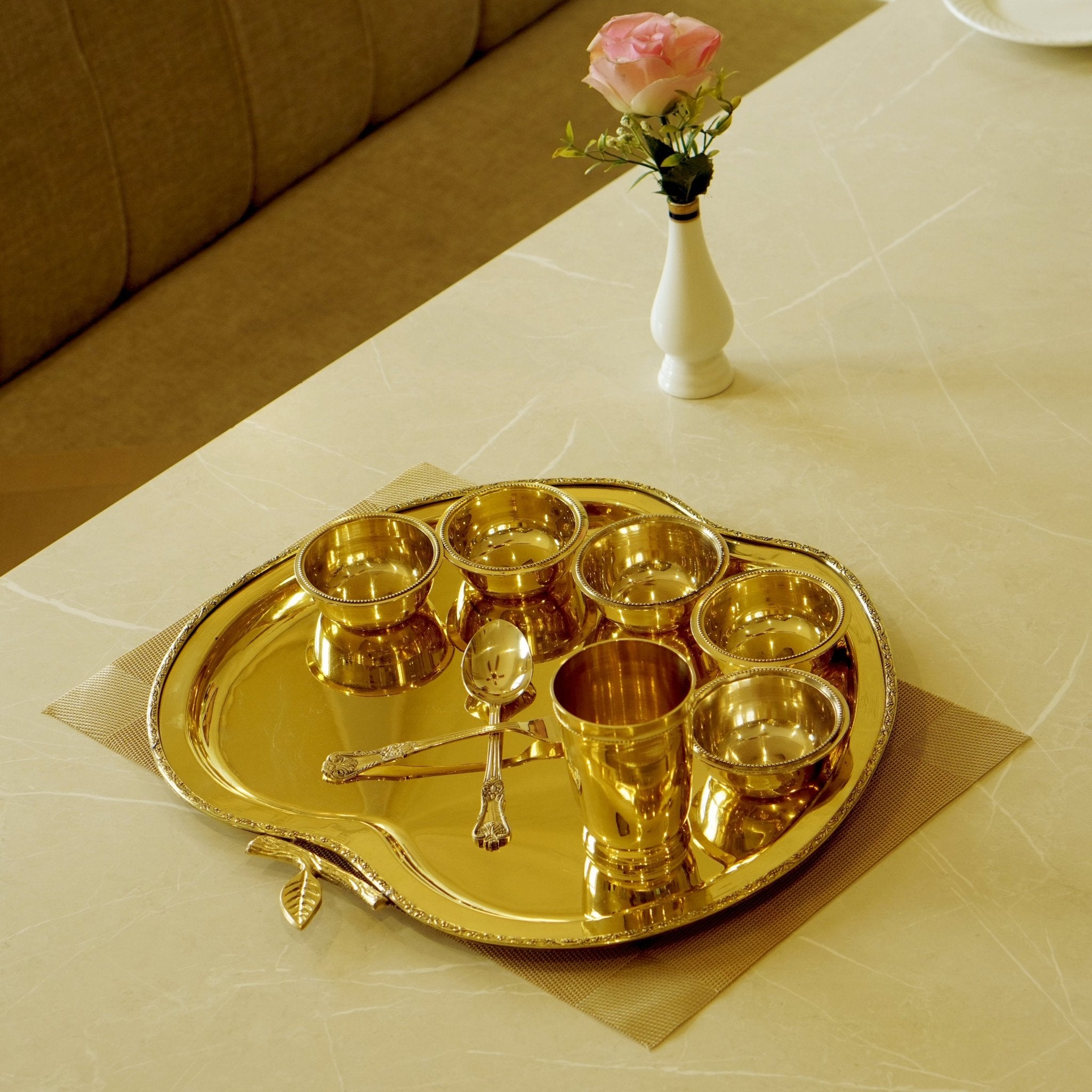
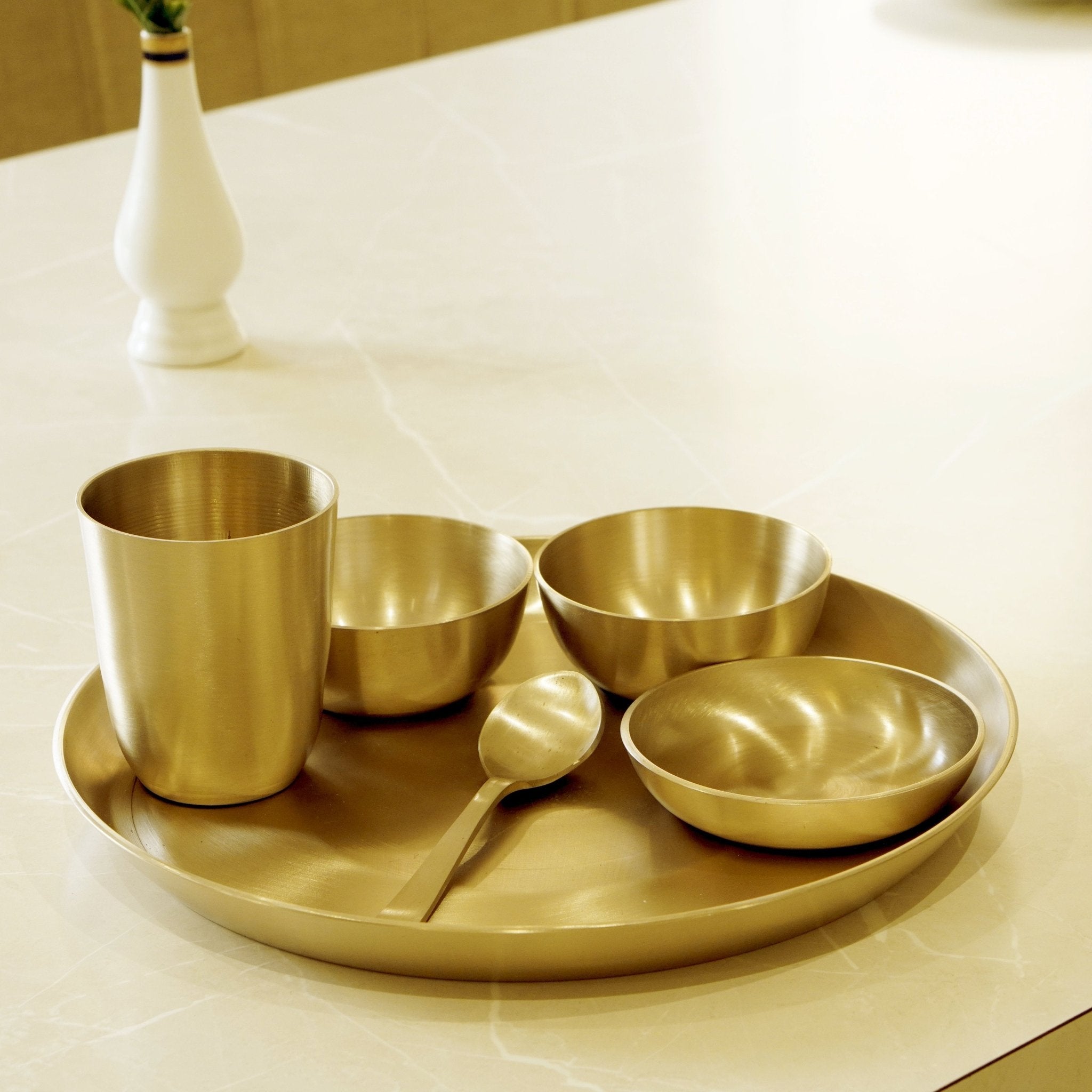
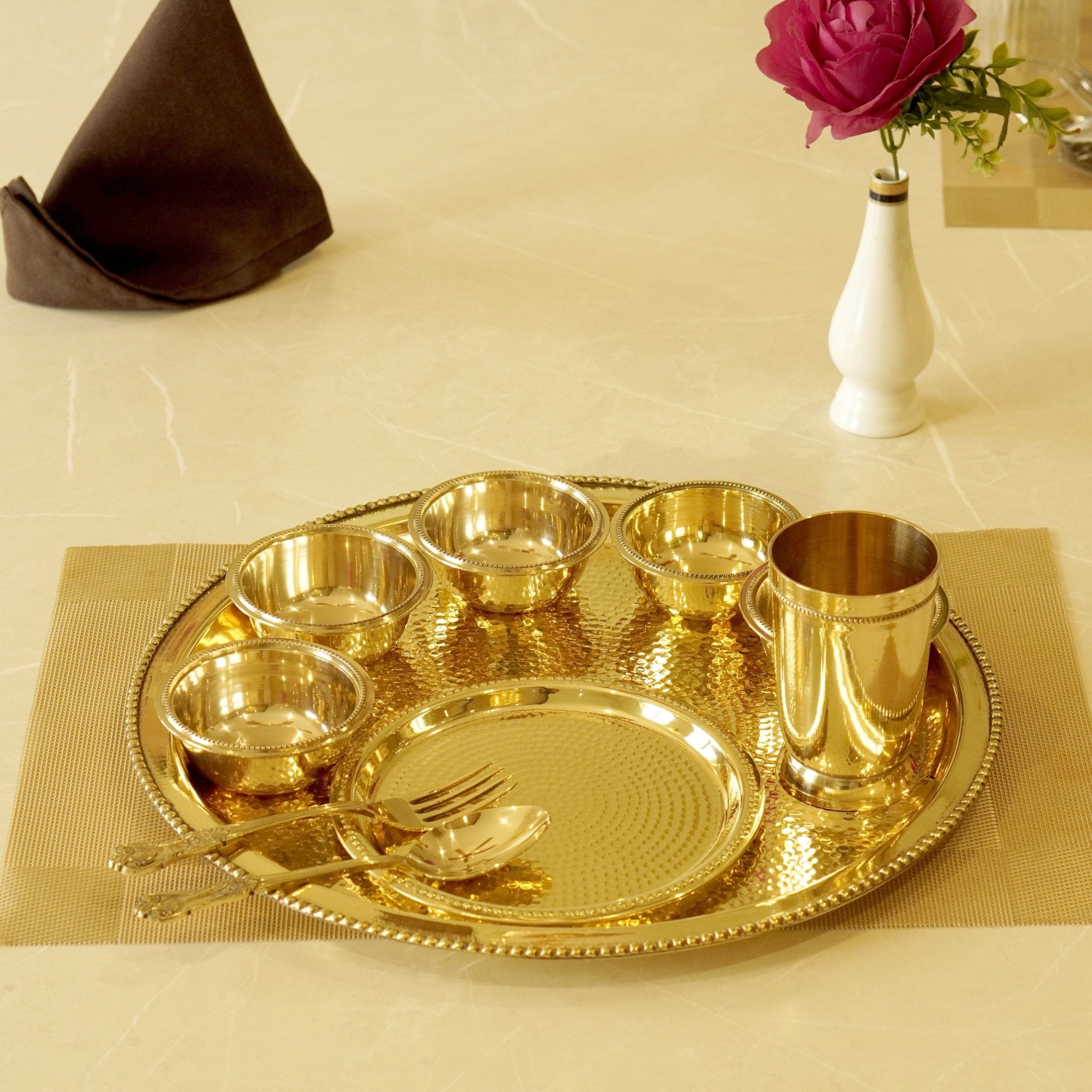
Serving pieces, thalis and katoris mostly, get by on a quick wipe after use plus a deeper clean roughly monthly.
Décor and standing pieces barely ask for anything. Two or three cleanings a year covers it, and plenty of people deliberately do less than that, which brings us to the last bit.
Or Just Let It Age
Here's what collectors know that most people don't: patina isn't dirt.
A piece that's darkened slowly over years has a character you cannot replicate with polish. Clean it when you want the glow. Let it deepen when you want the depth. Either way, good brass gets better with time, which is more than most things in a kitchen manage.
Frequently Asked Questions
How often should I clean brass utensils?
Daily-use pieces need a quick wipe after washing and a proper clean monthly. Décor pieces, two or three times a year, that's plenty.
Can I use toothpaste to clean brass?
It'll do in a pinch, mild abrasive plus surfactants. But tamarind or lemon-salt is cheaper, faster, and much safer around engraving.
How do I clean lacquered brass without damaging it?
Warm water, mild soap, nothing else. Any acid-based method strips the lacquer and leaves the surface blotchy.
Why does my brass smell metallic after cleaning?
Freshly exposed metal does that for a bit. A last wash with mild soap and a thorough dry clears it.
Can I use these methods on antique brass?
Better not. Acid takes the aged finish off permanently, and that darkened look is usually the whole reason the piece is worth something.



Leave a comment
This site is protected by hCaptcha and the hCaptcha Privacy Policy and Terms of Service apply.