
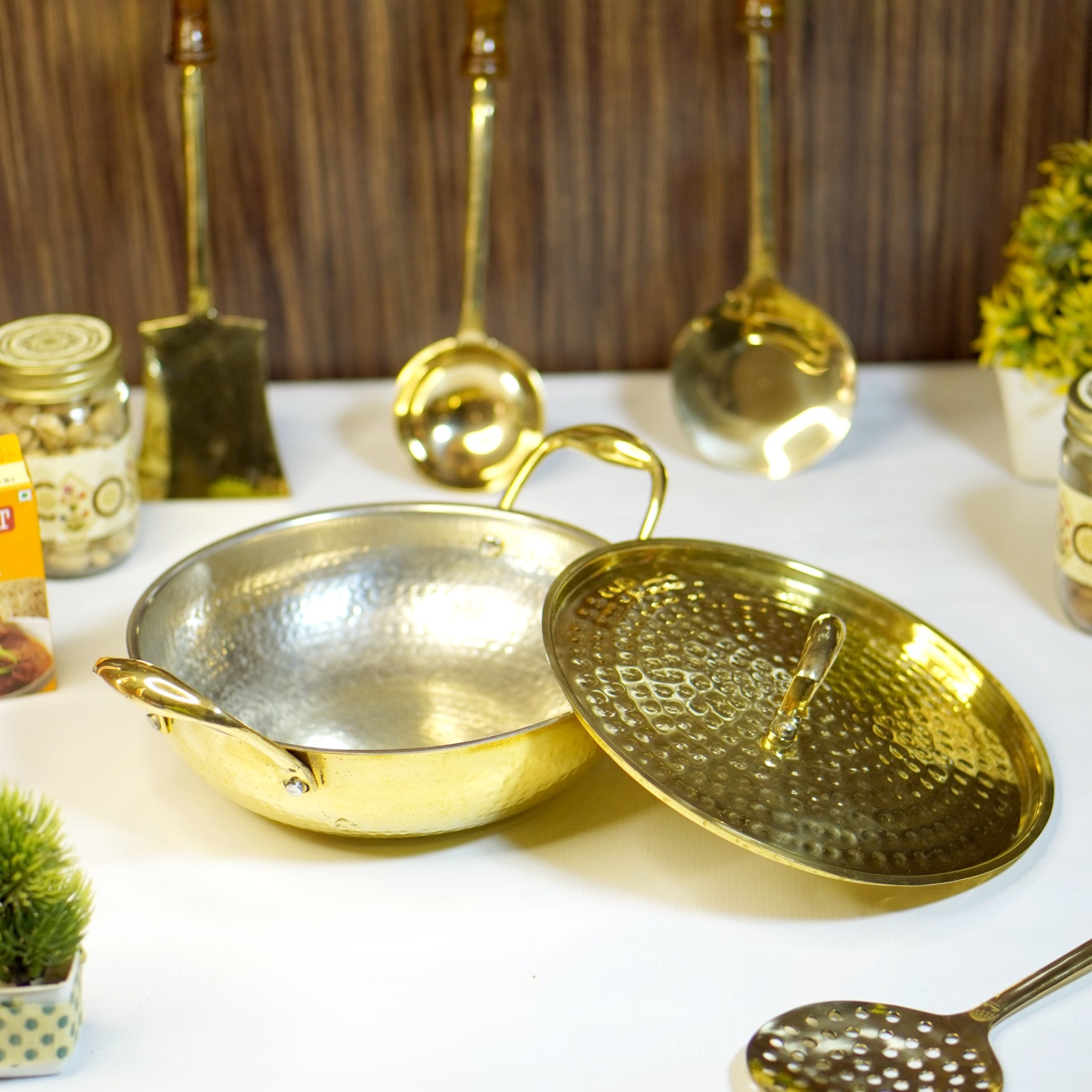
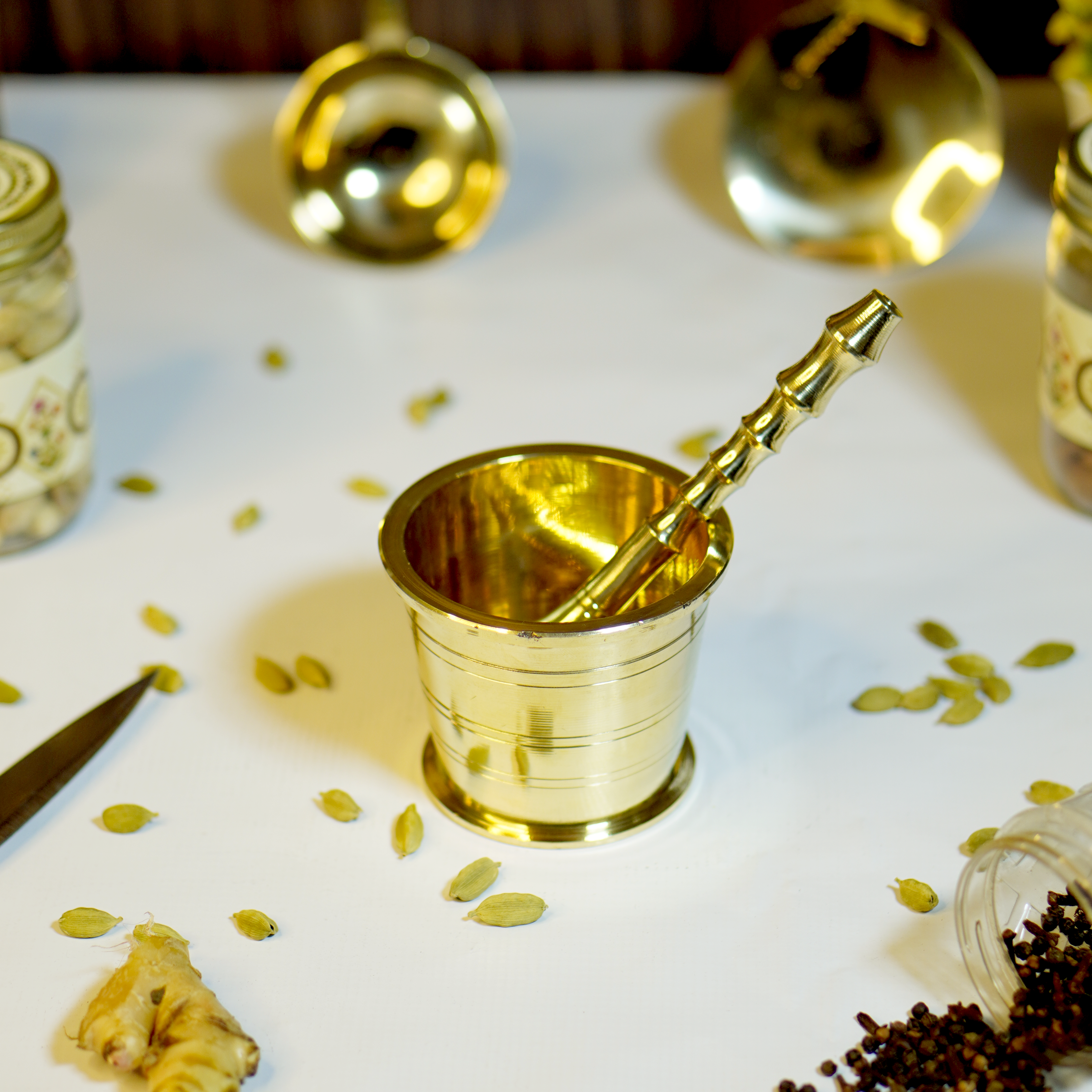
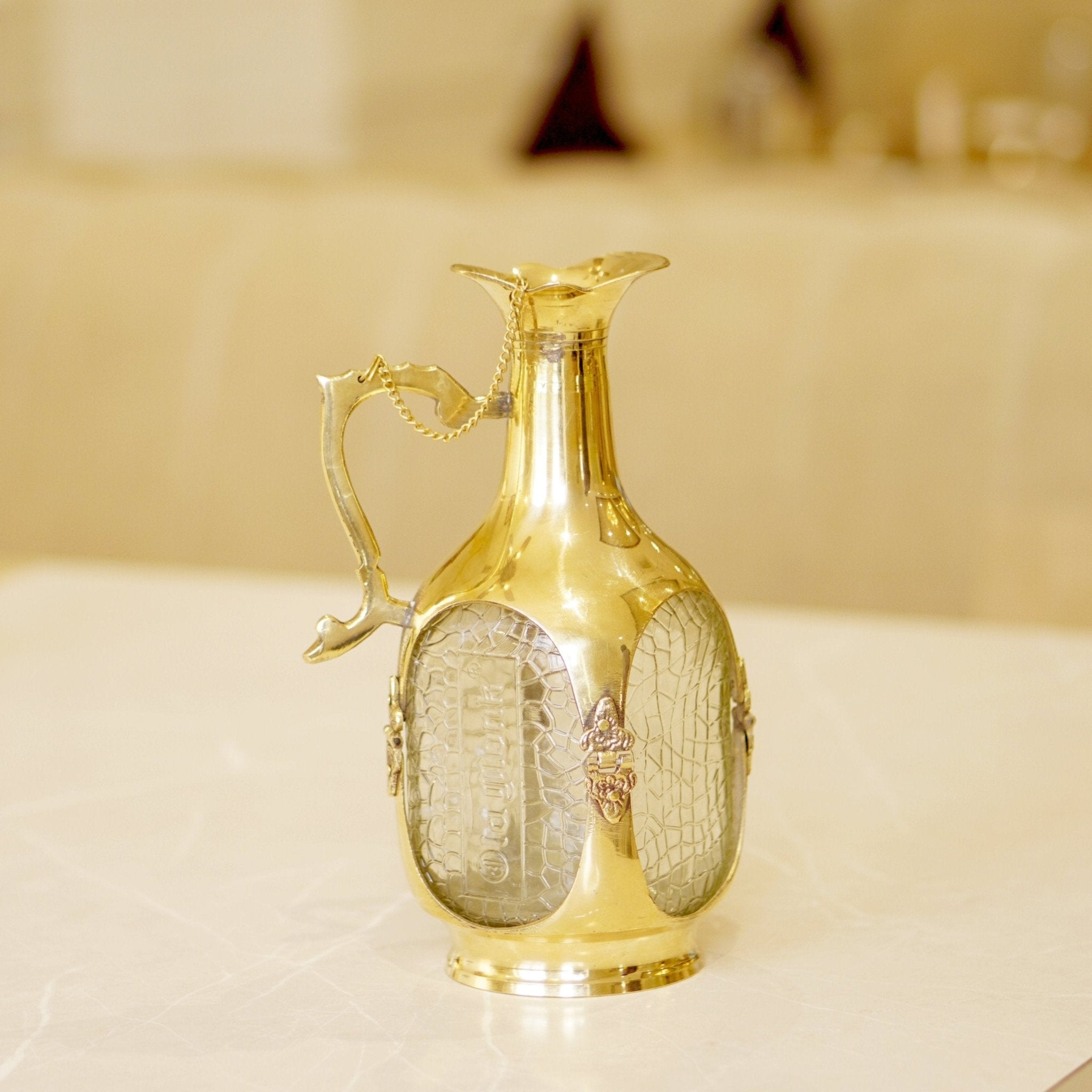
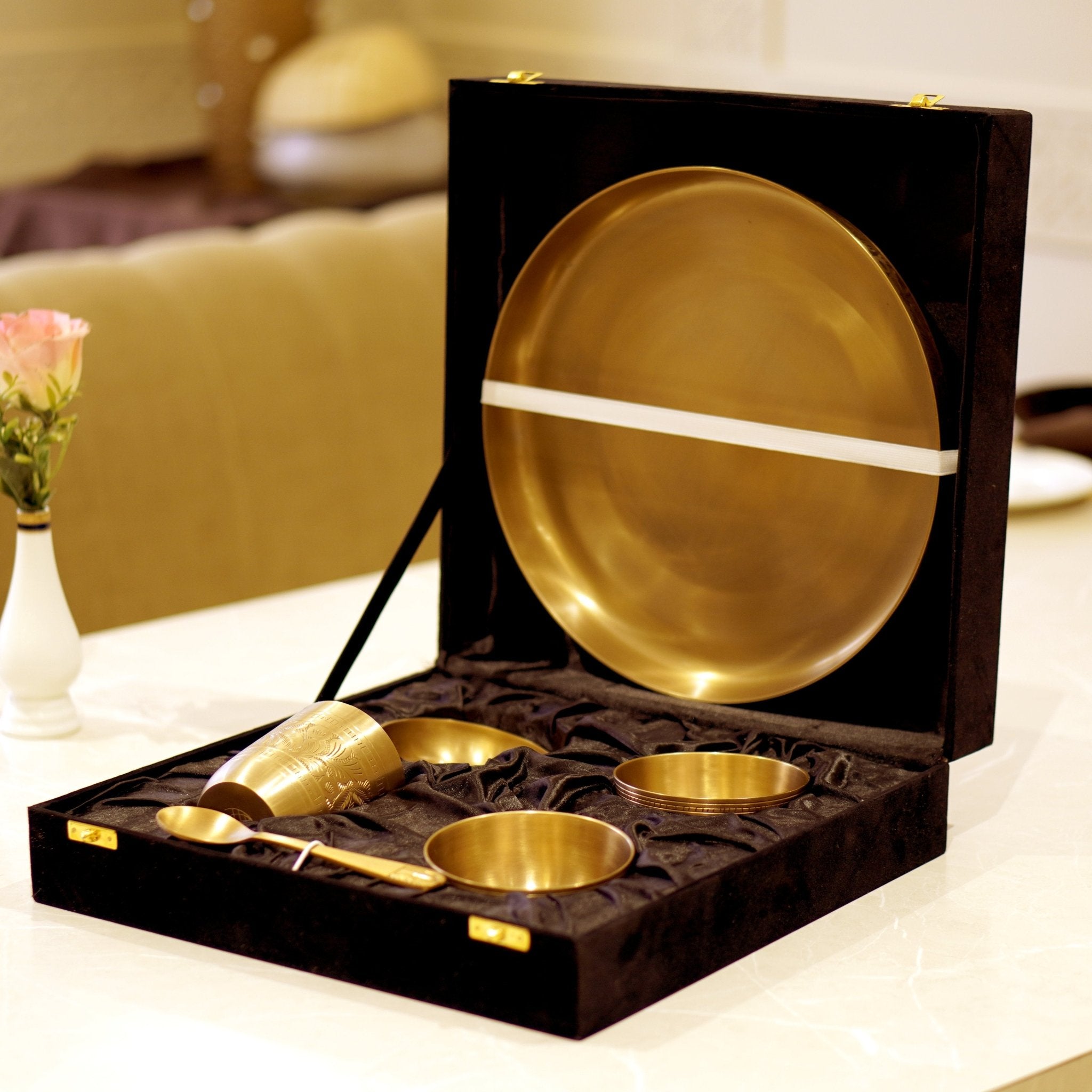
Are Brass Utensils Safe for Daily Cooking?
Short answer: usually, yes. But "usually" is carrying a lot of weight in that sentence. Whether brass utensils are safe for daily cooking comes down to two separate things: whether the piece has a proper inner lining and whether it is genuinely made from materials suitable for food contact. Lead contamination is another concern that makes the source and quality of brass cookware important.
The Quick Answer
Genuine, well-made brass cookware with an intact tin lining, traditionally applied through kalai, can be suitable for regular cooking when it is manufactured for food contact and used according to the manufacturer's instructions.
Unlined brass is not recommended for general cooking, especially when preparing acidic foods, because contact with food can cause metals to leach. There is also a separate concern about lead contamination in certain imported cookware products. Some products have been identified by health authorities as sources of lead exposure, making product quality and traceable sourcing particularly important.
These are two different issues: the potential for metals to leach from unlined brass and the possibility that a particular product contains lead or other unwanted contaminants.
How Brass Actually Reacts With Food
Brass is an alloy of copper and zinc. When bare brass comes into contact with food, particularly acidic ingredients such as tomatoes, citrus, or vinegar, metals may leach into the food under certain conditions.
Zinc is an essential mineral in small amounts, but excessive exposure can cause health problems, including nausea, vomiting, and digestive discomfort. The amount that may leach depends on the alloy composition, the acidity of the food, temperature, and contact time.
This is one reason traditional brass cookware is often given an inner coating. A suitable, intact lining separates the food from the underlying alloy and helps reduce direct contact.
That is why the question "are brass utensils safe?" comes back to one practical consideration: is the food-contact surface appropriate for the food and cooking method being used?
Kalai: The Lining That Helps Make Brass Cookware Suitable for Cooking
Kalai is the traditional process of applying a thin layer of tin to the interior of a brass vessel. It has been practised in India for generations. When properly applied and maintained, the tin creates a barrier between the food and the underlying brass.
Tin has a long history of use in food-contact applications. However, the suitability of a lining depends on its quality, condition, and intended use. A lining should be applied by a qualified professional using appropriate food-contact materials.
- Intact, suitable lining: Brass cookware designed for cooking may be suitable for regular use when its lining remains in good condition.
- Unlined brass: Not recommended for general cooking, particularly with acidic foods.
- Worn or flaking lining: Stop using the cookware for cooking until it has been assessed and professionally relined if necessary.
A Safety Warning About Lead in Cookware
Lead contamination is a separate concern from the normal interaction between food and brass. Certain cookware products made from brass, aluminium, or aluminium alloys have been identified by health authorities as potential sources of lead exposure.
In the United States, the Food and Drug Administration (FDA) has issued alerts concerning certain imported cookware products that can leach lead into food. Consumers should consult the FDA's current alerts for the latest product names, manufacturers, and affected items.
Lead exposure is particularly concerning for children and during pregnancy. Lead can harm the nervous system and other organs, and no level of lead exposure is considered safe for children.
What You Should Know About Cookware Safety
| Factor | What It Means |
|---|---|
| Product identification | Check the manufacturer's name and product details against relevant safety alerts. |
| Material quality | Choose cookware made from materials suitable for food contact. |
| Traceable sourcing | Prefer sellers who can identify the manufacturer and explain the product's composition and lining. |
| Lead concerns | Check current official recalls and warnings rather than assuming that every brass product has the same composition. |
| Intended use | Use decorative items only for their stated purpose, not as cooking vessels. |
This is not a reason to assume that all brass cookware is unsafe. It is a reason to choose carefully and verify the quality of the particular product you intend to use. A traditional appearance or a tin lining alone does not prove that an item is free from lead contamination.
For the latest information, consult the official FDA website and search its cookware safety alerts before using a product that may be affected by a warning or recall.
General Safety Practices for Any Cookware
A few practical rules apply specifically to brass, while others are useful for metal cookware in general.
- Choose cookware without cracks, damaged seams, or rough areas that are difficult to clean.
- Use wooden, bamboo, or suitable silicone utensils to help protect softer linings from scratches.
- Stop cooking in a vessel if its lining visibly peels, flakes, or wears through.
- Buy from sellers who can explain where a product was made and what materials and coatings it contains.
- Follow the manufacturer's cleaning and maintenance instructions, including any restrictions on dishwashers or abrasive cleaning products.
- Have damaged tin linings assessed and professionally renewed before returning the cookware to use.
What's Fine to Cook in Brass, and What Isn't?
The following guidance assumes that the cookware is designed for food preparation, has no relevant contamination warning, and has an appropriate, intact food-contact surface.
| Food or Cooking Task | Practical Guidance |
|---|---|
| Dal and lentil dishes | Use suitable, properly lined brass cookware. |
| Rice preparations | Use cookware designed for cooking with an intact, suitable food-contact surface. |
| Milk-based sweets and dishes | Follow the cookware manufacturer's guidance and maintain the lining. |
| Sautéed vegetables | Use cookware that is specifically suitable for the cooking method. |
| Tomato-based sauces and curries | Avoid unlined brass; use suitable cookware with an intact, appropriate lining. |
| Citrus-marinated dishes | Avoid direct contact with unlined brass. |
| Vinegar-heavy dishes | Avoid unlined brass because acidic ingredients can increase metal leaching. |
| Long-simmered acidic gravies | Choose cookware with a verified, suitable food-contact surface. |
Even foods that are not particularly acidic should only be prepared in cookware intended for food contact. If the lining is worn through or the product's safety is uncertain, do not rely on the food type alone to make it safe.
Decorative Brass Is Not the Same as Cookware-Grade Brass
Not every brass item that looks as though it could hold food was manufactured for that purpose. Decorative brass products sold at markets, antique shops, or souvenir stores may have different alloy compositions, finishes, or coatings. Some may contain materials that are unsuitable for contact with food.
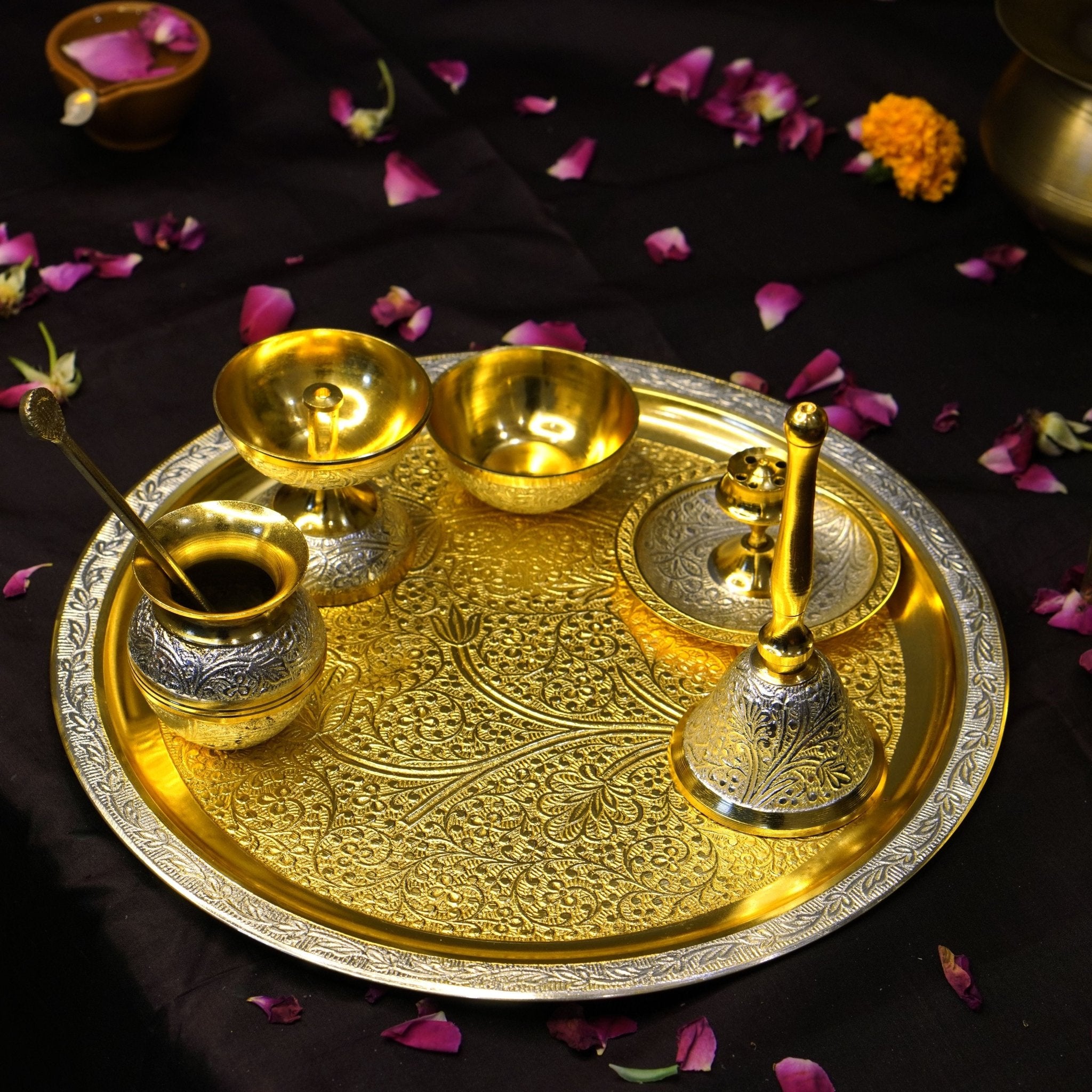
A beautiful hand-cast brass bowl purchased as a decorative object is not automatically safe for serving hot food, let alone cooking. If a piece was sold as ornamental, keep it ornamental unless the manufacturer can verify that it is suitable for food contact.
Cookware-grade brass is designed for a different purpose. Its composition, construction, and any lining all matter. This is why knowing the source of a product is just as important as inspecting its interior.
How to Check Whether Your Brass Cookware Is Safe
Take a few minutes to inspect an older or newly purchased piece before using it.
- Inspect the interior in good light. Look for a consistent lining and check for exposed brass, peeling, or flaking.
- Check the surface condition. Rough patches, visible damage, or areas where the coating has worn away may indicate that the vessel needs attention.
- Ask about the lining. A reputable seller or artisan should be able to explain whether the lining is tin and whether it is suitable for cooking.
- Verify the product's origin. If the vessel is unbranded, secondhand, or from an uncertain source, seek reliable information about its composition and intended use.
- Check official safety alerts. Consult current recall notices and product warnings, especially if the cookware may have come from a source associated with a known alert.
- Arrange professional assessment when necessary. If the lining is damaged or the composition is uncertain, do not use the vessel for cooking until its suitability has been confirmed.
If copper cookware is also part of your kitchen, some of the same food-contact principles apply. Our guide on whether it is safe to cook in copper utensils explains the differences between lined and unlined copper cookware in more detail.
Frequently Asked Questions
Are brass utensils safe for daily cooking?
They can be, provided the cookware is designed for food preparation, its materials are suitable for food contact, and any required tin lining is intact. Unlined brass is not recommended for general cooking, particularly with acidic foods.
Can brass cookware leach lead?
Some cookware products have tested positive for lead leaching, including certain imported products identified in official safety alerts. This is separate from the possibility of zinc or copper leaching from an alloy. Check current official warnings and buy from traceable, reputable manufacturers.
Why does brass cookware need a lining?
Brass contains copper and zinc, and direct contact with food can result in metal leaching under certain conditions. An appropriate, intact lining helps separate food from the underlying alloy and is important for cookware designed to require one.
Can I cook tomato-based or citrus dishes in brass?
Use only cookware specifically designed for food preparation with a suitable, intact food-contact surface. Avoid preparing acidic dishes in unlined brass or in vessels with worn or damaged linings.
How do I know if my brass cookware needs relining?
Look for thinning, flaking, peeling, or exposed brass showing through the coating. If you notice these signs, stop using the vessel for cooking and have it inspected and professionally relined if necessary.
Is decorative brass safe for cooking?
Not necessarily. Decorative pieces may have finishes or alloy compositions that are unsuitable for food contact. Use a brass item for cooking only when the manufacturer confirms that it is intended for that purpose.


Leave a comment
This site is protected by hCaptcha and the hCaptcha Privacy Policy and Terms of Service apply.