
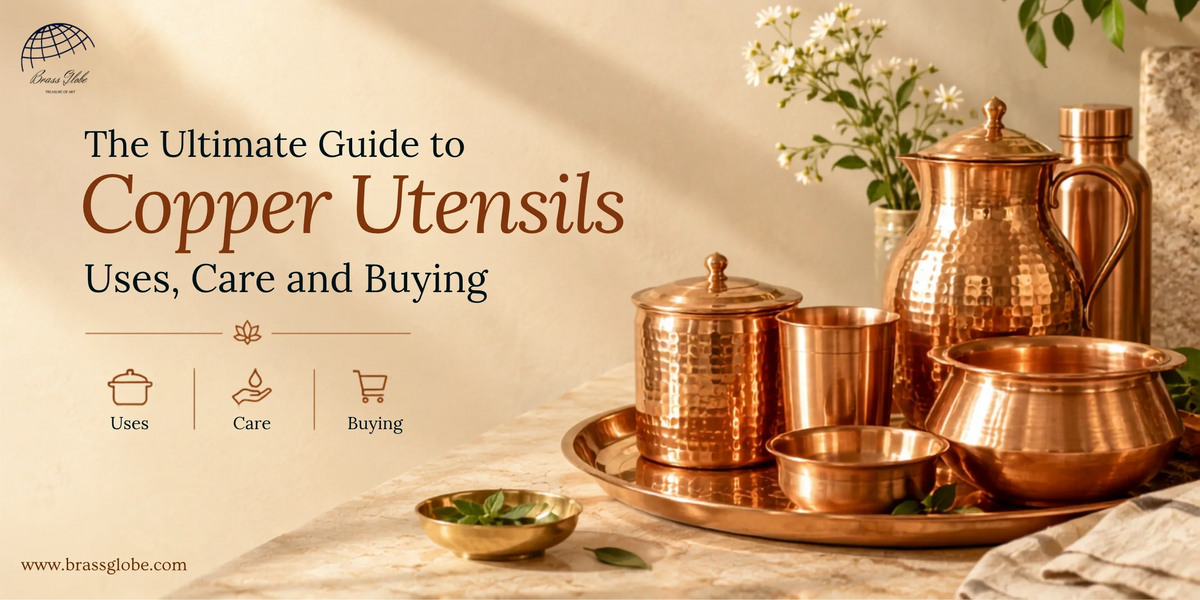
The Ultimate Guide to Copper Utensils: Uses, Care and Buying
Copper's been sitting in Indian kitchens about as long as brass has, water stored in copper lotas, cookware people swear by for how evenly it heats, decorative pieces that get handed down for generations. There's one thing most guides never really get into, though: how copper behaves around acidic food actually matters for your health, not just how shiny the pan looks. This guide gets into what copper utensils actually are, why people keep using them, the safety part worth taking seriously, and what's genuinely worth checking before you buy a set.
What Are Copper Utensils Made Of?
Mostly just pure copper, when we're talking about copper utensils specifically, not brass (that's copper plus zinc) or bronze and kansa (copper plus tin). On its own, copper's a soft, reddish-gold metal, and that softness is exactly why it conducts heat so well. It's also why you rarely see it left bare on an actual cooking surface.
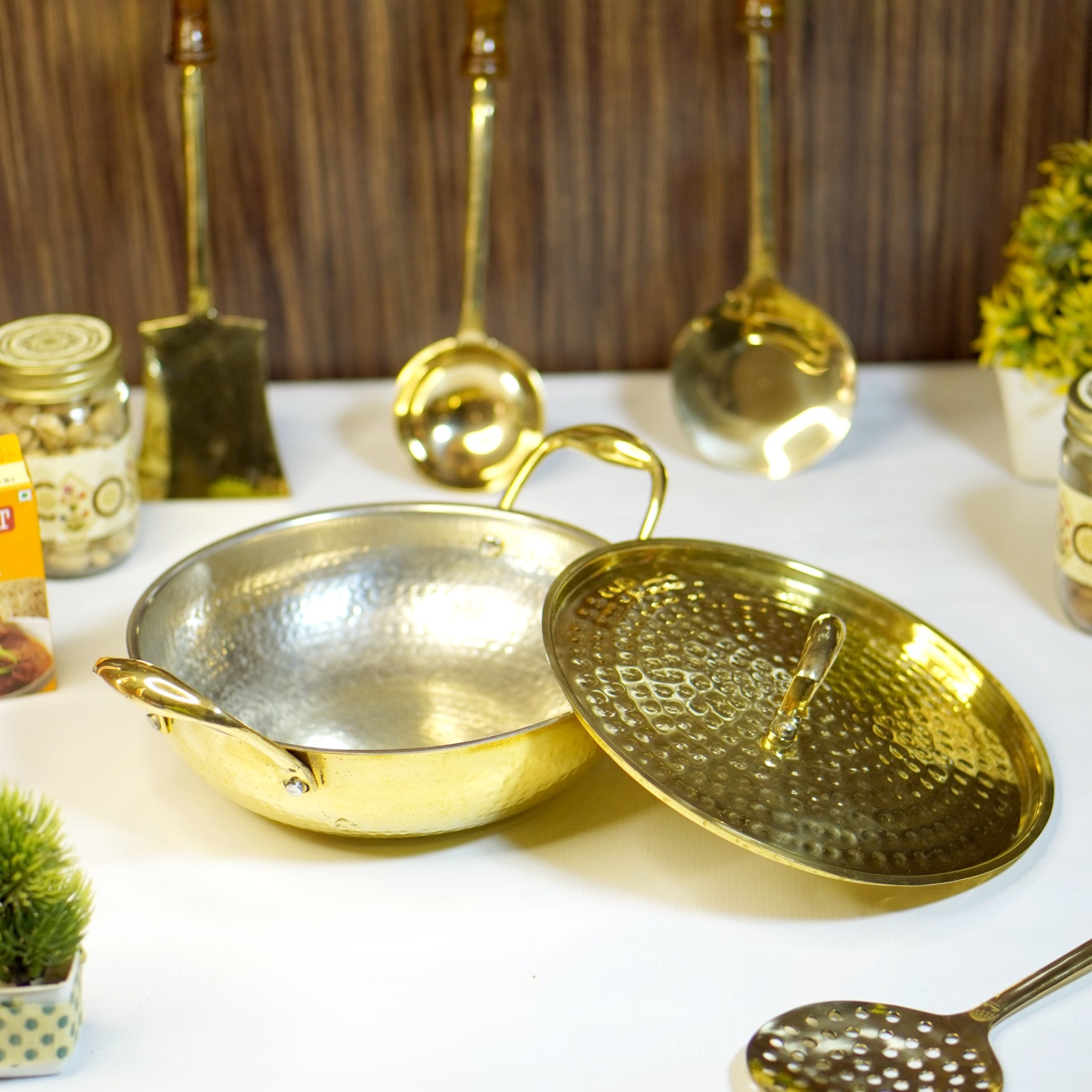
Most copper cookware isn't actually raw copper on the inside. It's lined, traditionally with tin through a process called kalai, sometimes with stainless steel on newer pieces, specifically so food never touches the copper directly during cooking. That lining isn't optional detailing. It's the thing that makes the cookware safe to use, worth understanding before we get into buying and care.
The Real Benefits of Copper Utensils
Heat moves through copper better than through most metals used in cookware, which is exactly why professional kitchens still reach for it. Food cooks more evenly, fewer hot spots than you'd get out of steel.
There's a documented antimicrobial side too. Like brass, copper carries the oligodynamic effect, trace metal ions that make it tough for certain bacteria to survive on the surface. Probably the most scientifically solid reason water's been stored in copper vessels for generations.
Durability matters as well. A well-made piece, properly looked after, lasts decades. Cookware linings need renewing now and then, sure, but the copper body underneath doesn't wear out the way a non-stick coating does. And it's fully recyclable on top of that, melt it down and reuse it indefinitely, which makes it a genuinely lower-waste choice than cookware you replace every couple of years.
Then there's the heritage angle. Hand-hammered copper carries a level of craftsmanship machine production doesn't really replicate, and that's a real part of the appeal for plenty of buyers, separate from anything practical.
Copper Cookware Safety: What Actually Matters
Read this section properly, especially if you're buying cookware rather than just serveware or décor.
Copper reacts with acidic food. Citrus, tomatoes, vinegar-based dishes, anything sour, these can pull copper out of unlined cookware and into whatever you're eating. Consume enough leached copper and it's been linked to nausea, vomiting, and diarrhea, which is exactly why health authorities including the FDA advise against using unlined copper cookware in the first place.
That's the whole reason lining matters so much. Copper cookware built for actual cooking traditionally gets coated inside with tin, or stainless steel on more modern pieces, keeping food from touching the copper directly. The catch is that coatings wear down over time. Once a lining starts thinning, flaking, or showing bare copper through, the piece needs relining before it goes back into regular use. Scrubbing it harder and keeping it in rotation isn't the fix.
|
Copper Utensil Type |
Generally Safe For |
Needs Caution |
|
Lined cookware (intact lining) |
Regular cooking, including acidic dishes |
Watch for wear; reline once the coating thins |
|
Unlined or worn-lining cookware |
Not recommended for cooking |
Especially risky with acidic or sour food |
|
Water vessels (bottles, lotas) |
Storing and drinking plain water |
Avoid long-term storage of acidic drinks like lemon water or buttermilk |
|
Serving pieces and décor |
Brief food contact, display |
Not meant for prolonged acidic food contact |
A few more practical points, some of these apply to any metal cookware, not copper specifically. Cracks and rough seams trap food and bacteria in ways that are genuinely hard to clean out properly, so avoid pieces with either. Metal or hard plastic utensils scratch lined copper cookware and wear the coating down faster than ordinary use would, wood, bamboo, or silicone is the safer call. And once a coating visibly starts peeling or wearing through, that's your cue to get it relined, not to keep cooking in it regardless.
Types of Copper Utensils
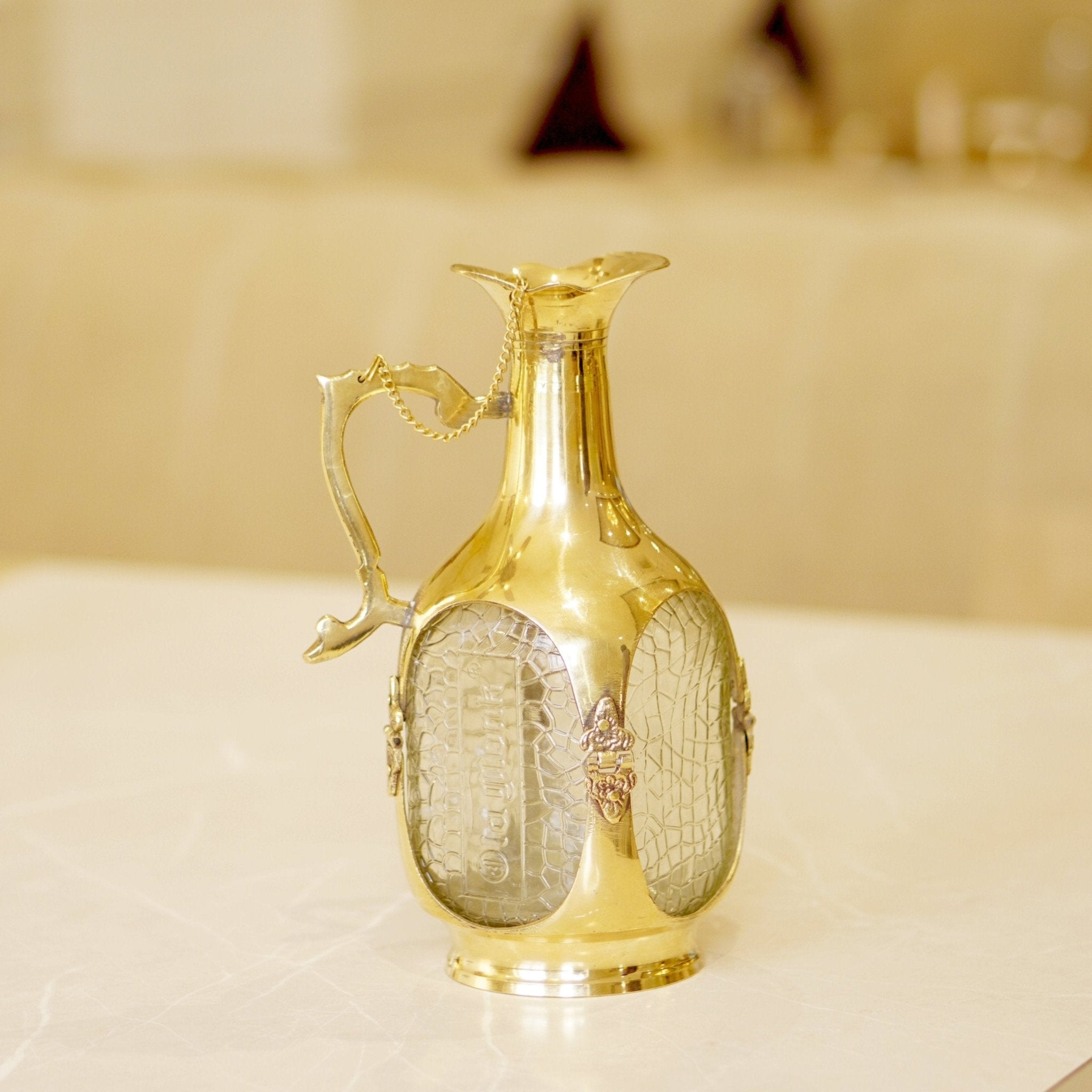
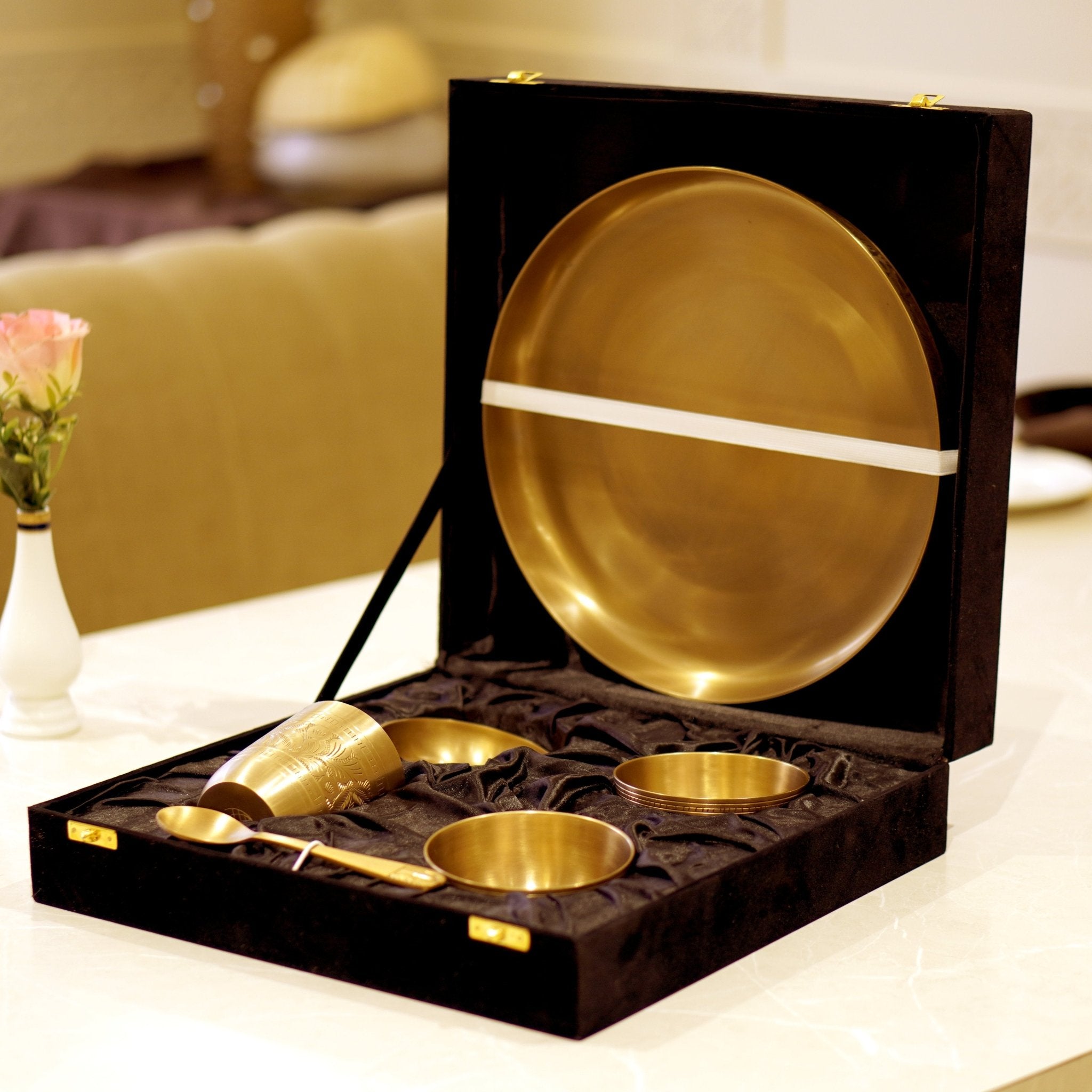
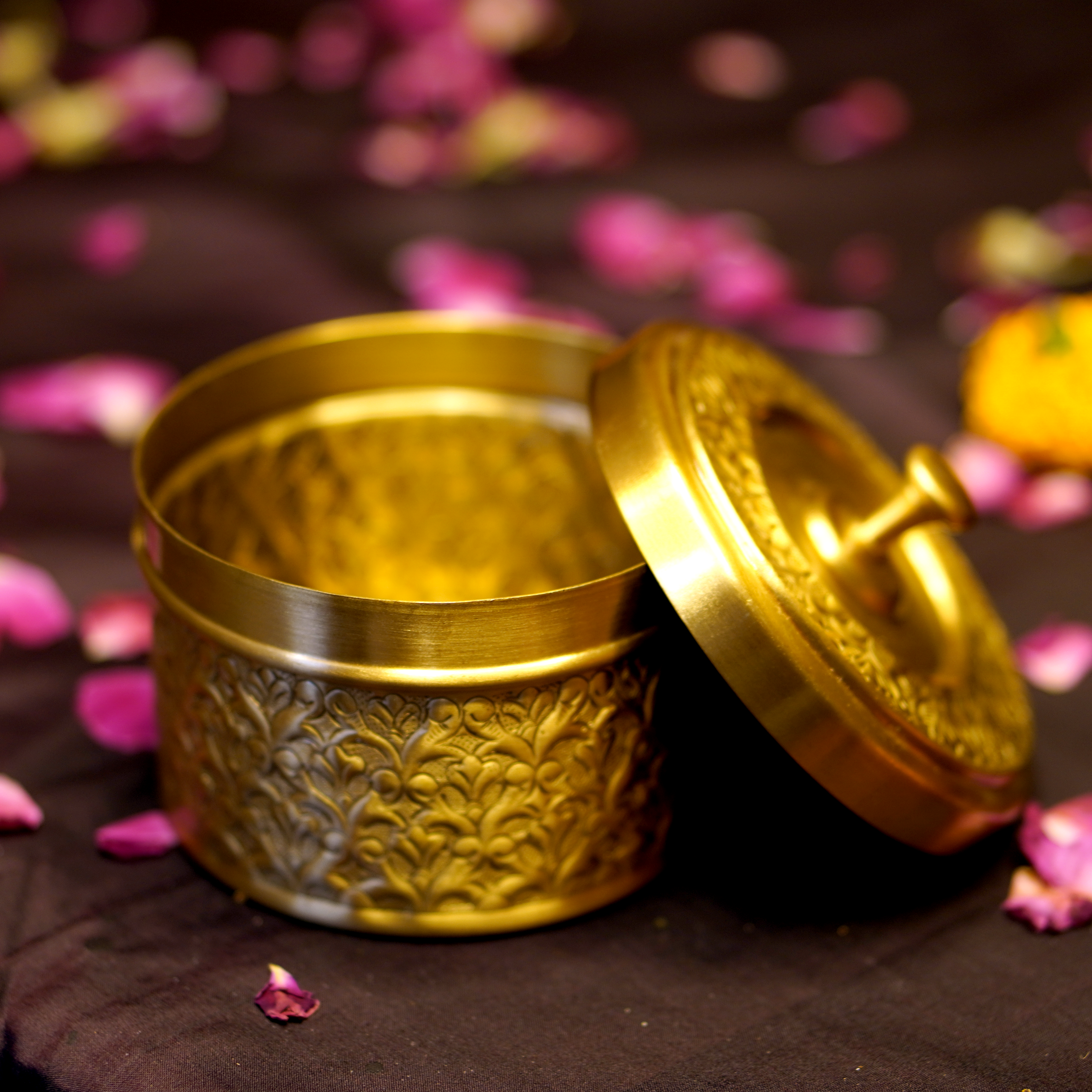
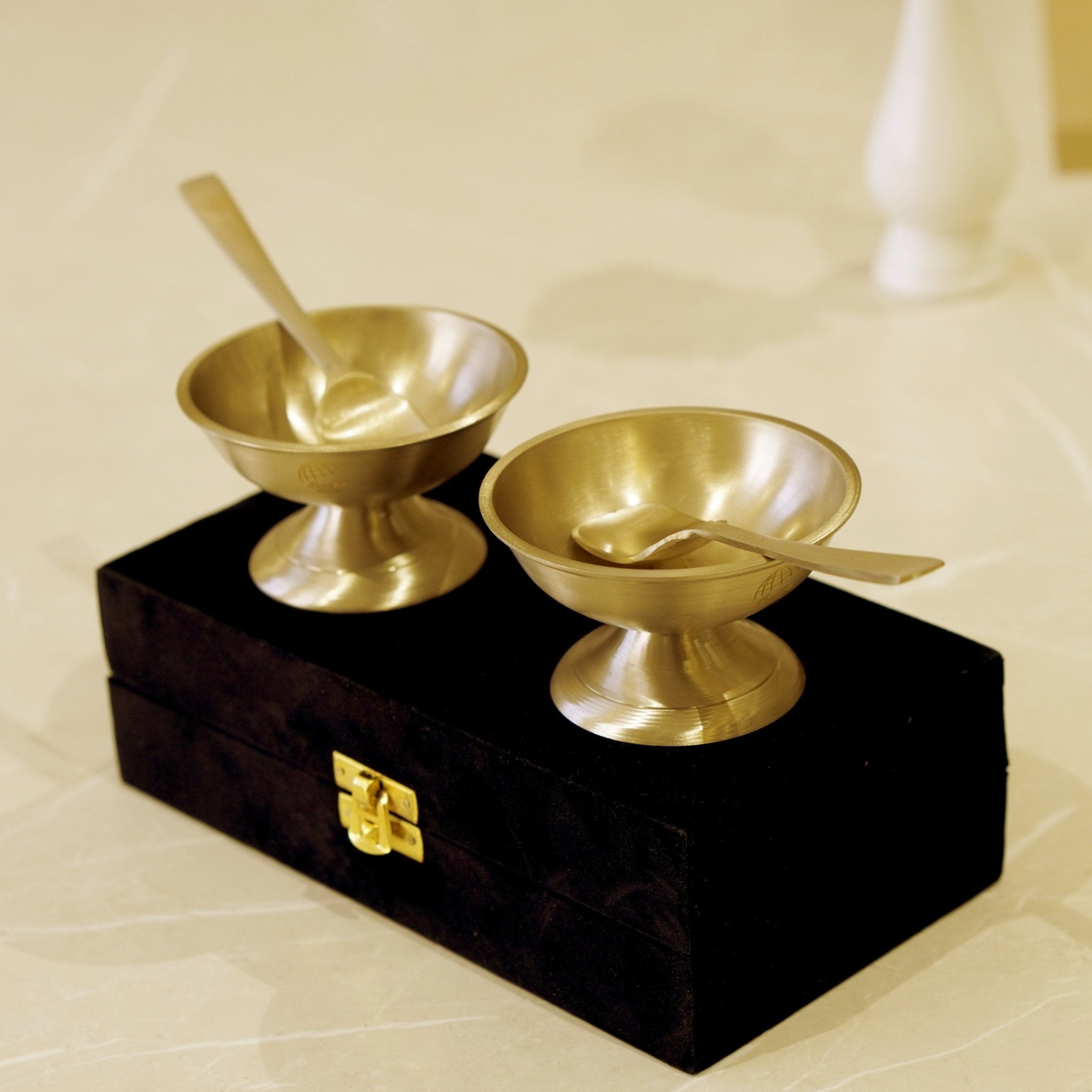
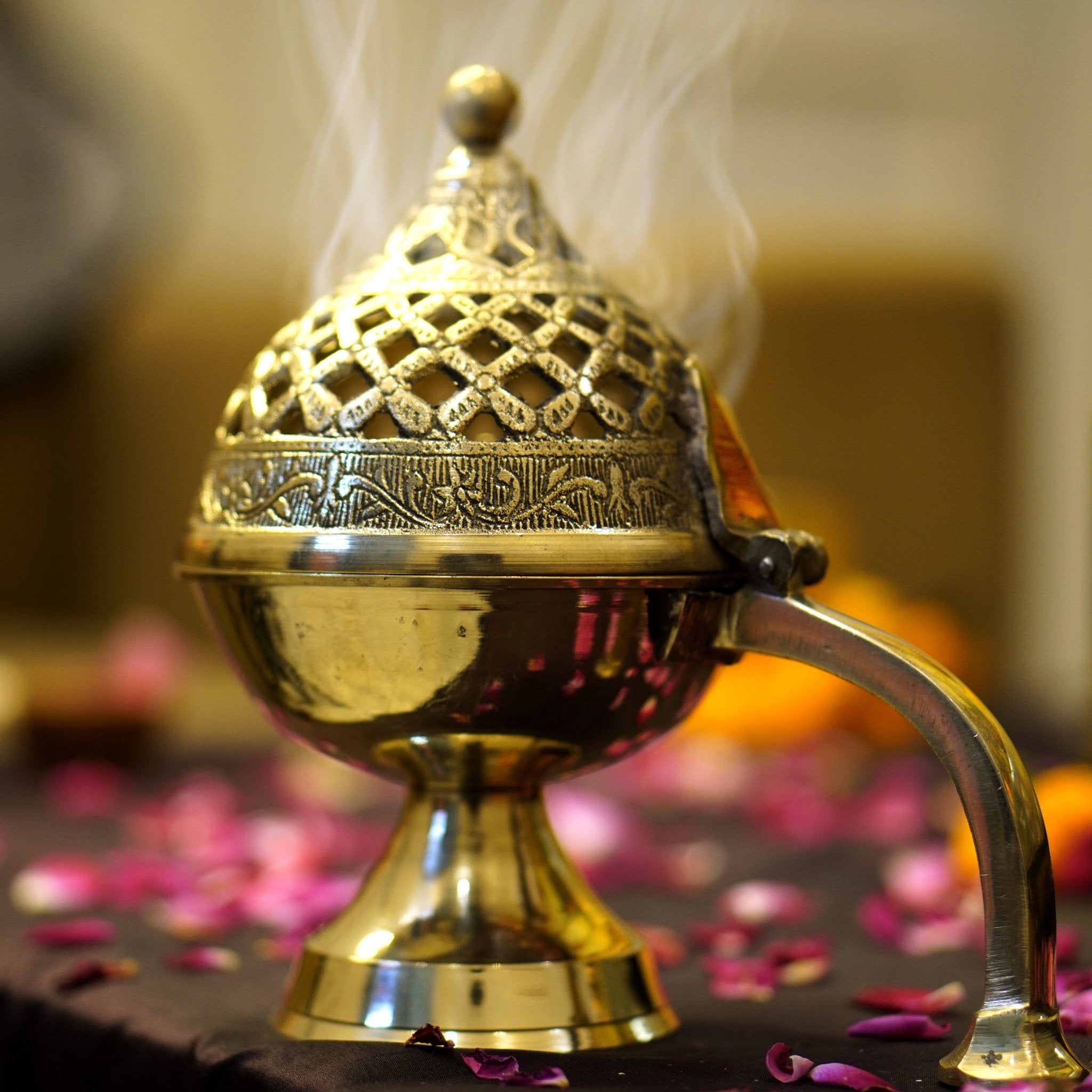
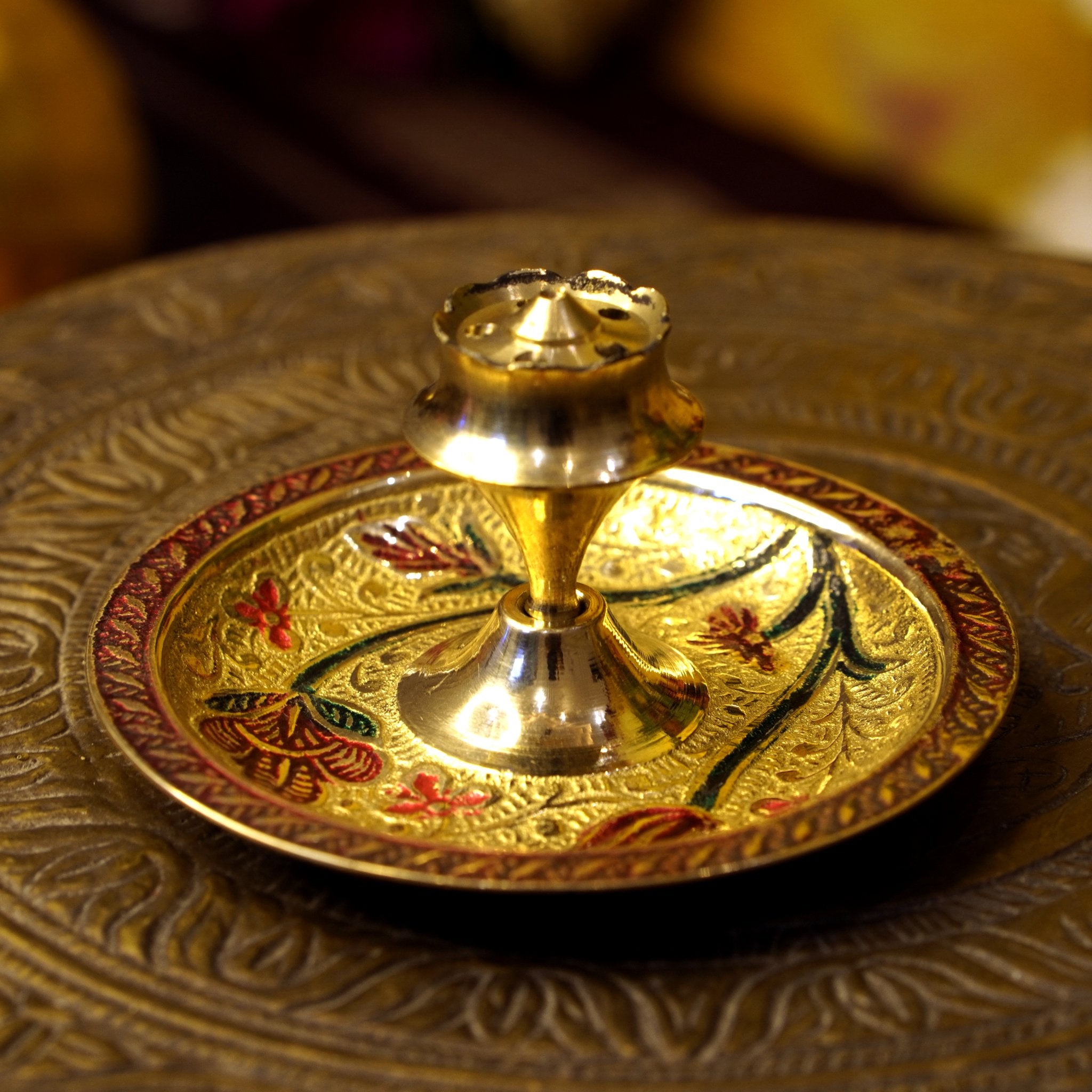
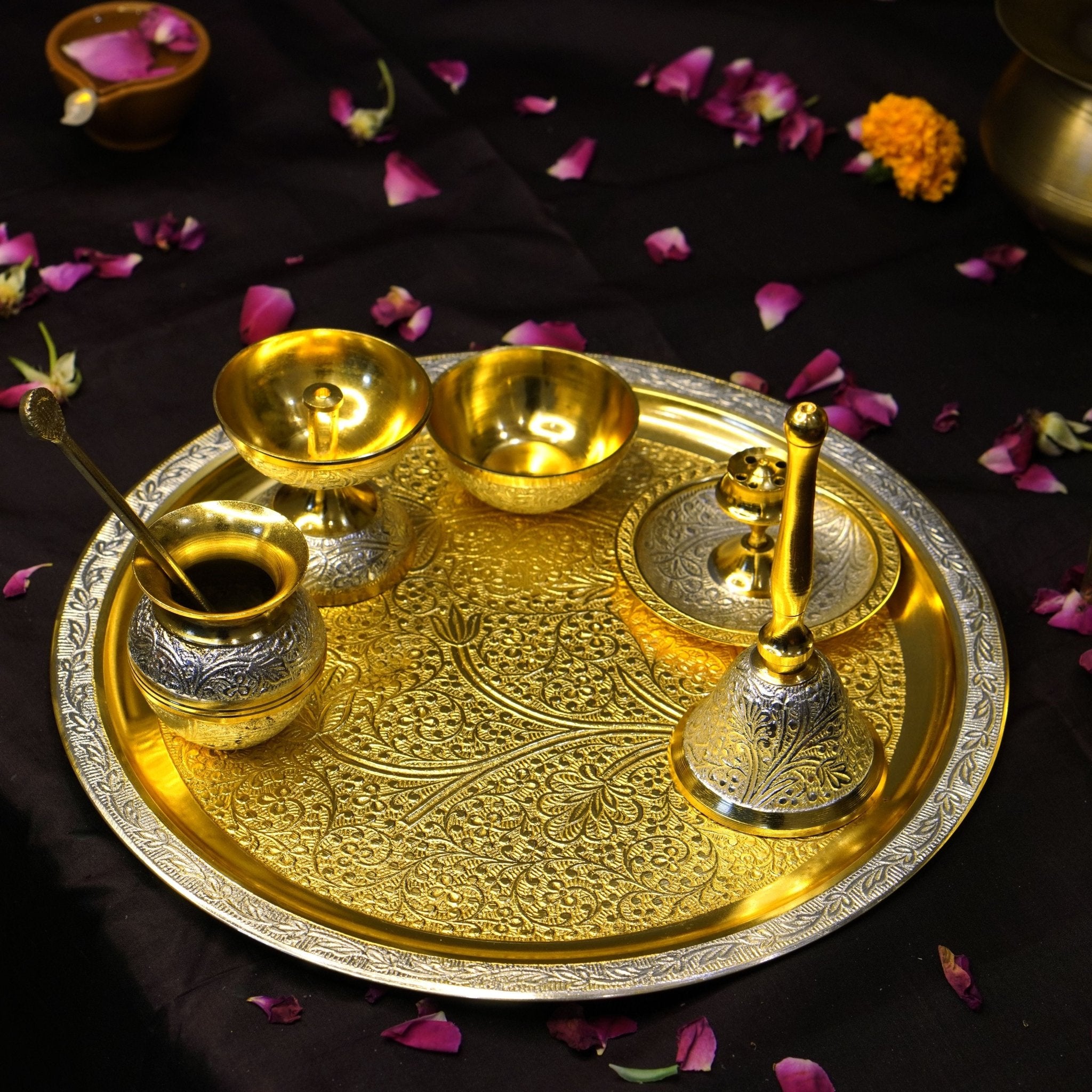
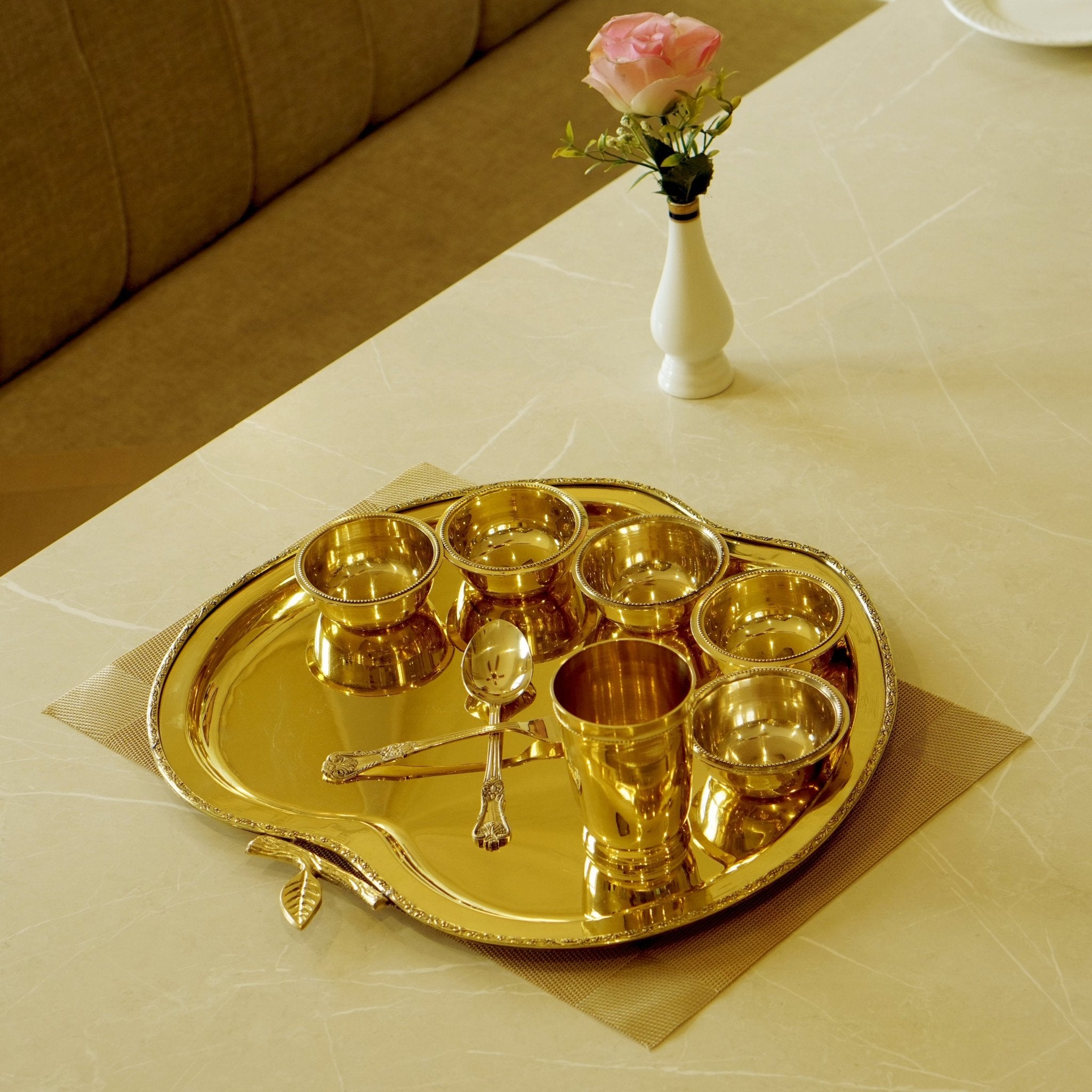
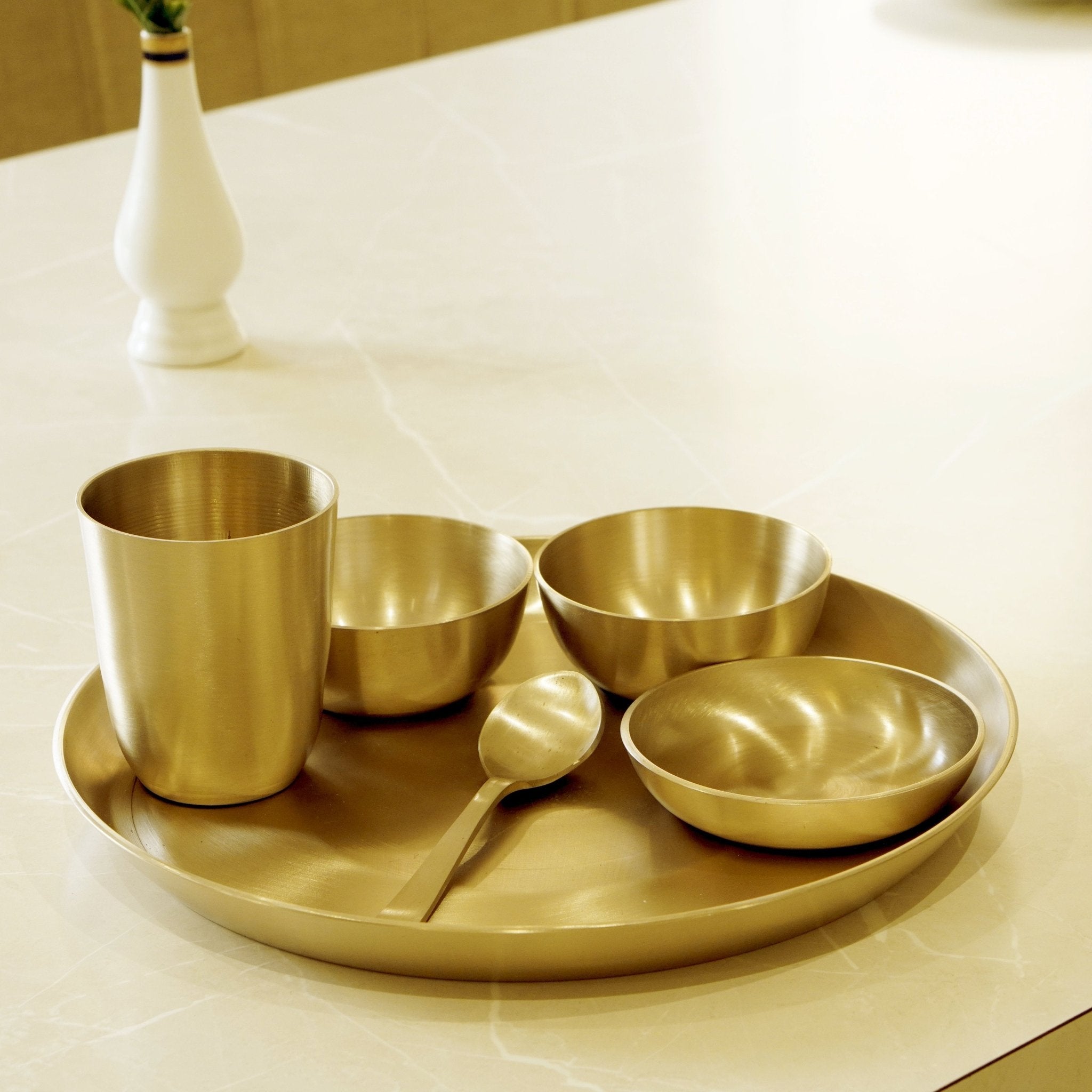
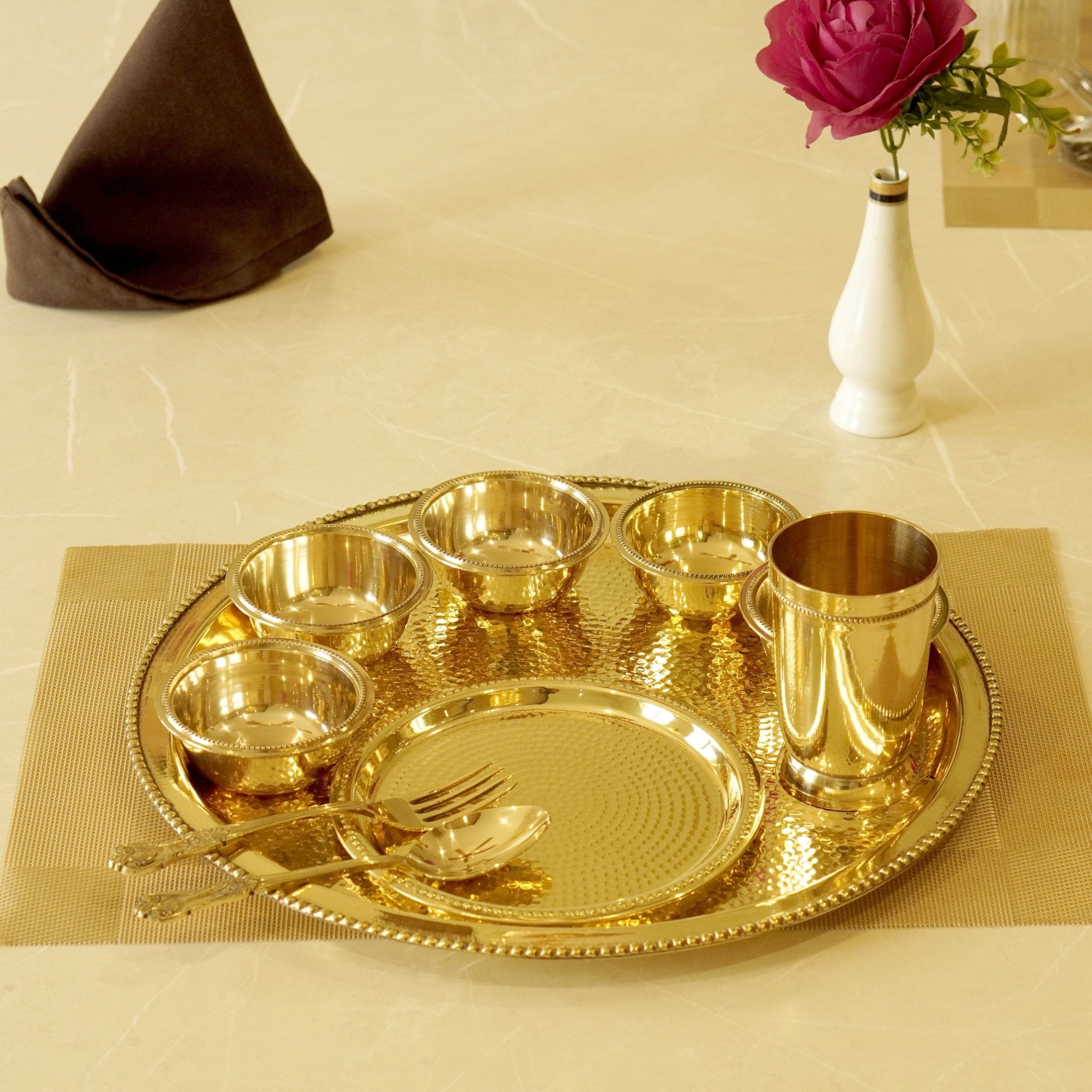
Cookware covers kadhai, pots, and pans, almost always lined for safety, and this is where coating condition ends up mattering most. Water vessels, bottles, lotas, jugs, handle storing and drinking water, probably the lowest-risk, most traditional use of the metal going. Serving pieces like glasses, bowls, and trays generally hold up fine for brief contact with food or drink. Décor and pooja items, kalash, diyas, decorative pieces, get valued more for tradition and looks than daily function.
Buying Guide: What to Check Before You Buy
|
What to Check |
Why It Matters |
|
Lined or unlined |
If it's cookware, confirm it's lined, tin or stainless steel, before buying. |
|
Lining condition (used or antique pieces) |
Look for thinning, flaking, or bare copper showing through. |
|
Weight and thickness |
Genuine, well-made copper feels solid; thin, flimsy pieces wear out and warp faster. |
|
Construction |
Seamless pieces hold up better over time than heavily riveted or soldered ones. |
|
Finish |
Hand-hammered pieces show even, deliberate marks; machine-made ones look more uniform. |
|
Seller transparency |
A seller who can explain the lining material and how a piece was made is usually selling the real thing. |
Using and Caring for Copper Utensils
For cooking, stick to lined pieces and keep an eye on that lining over time, an occasional professional re-tinning is normal maintenance, not a sign you bought the wrong thing. Water storage is the safe, traditional use, plain water specifically, skip storing acidic drinks in copper for extended periods.
Cleaning follows roughly the same natural approach that works on brass. Tamarind pulp or lemon with salt lifts everyday tarnish without needing anything harsh. Dry it thoroughly after rinsing, leftover moisture is usually what brings the tarnish right back. Steel wool and abrasive scrubbers are worth skipping entirely, they scratch the surface and, on cookware specifically, can damage the lining underneath. And copper never belongs in a dishwasher, the heat and detergent combination discolours it and speeds up wear on any coating.
Frequently Asked Questions
Is it safe to cook in copper utensils?
Yes, as long as the cookware is properly lined with tin or stainless steel and that lining is intact. Unlined copper isn't recommended for cooking, especially with acidic food.
Can copper utensils cause copper toxicity?
Consuming large amounts of leached copper, usually from unlined or worn-lining cookware used with acidic food, can cause nausea, vomiting, and diarrhea. Properly lined cookware in good condition doesn't carry that risk.
How do I know if my copper cookware needs relining?
Look for thinning, flaking, or bare copper showing through the coating. See any of that, get it relined before cooking in it again.
Is it safe to drink water stored in copper vessels?
Yes, plain water is a low-risk, traditional use for copper. It's acidic drinks stored for long stretches that need more caution.
How do you clean copper utensils naturally?
Tamarind or lemon with salt handles everyday tarnish well. Rinse and dry thoroughly afterward, and keep it away from steel wool and the dishwasher.


Leave a comment
This site is protected by hCaptcha and the hCaptcha Privacy Policy and Terms of Service apply.