
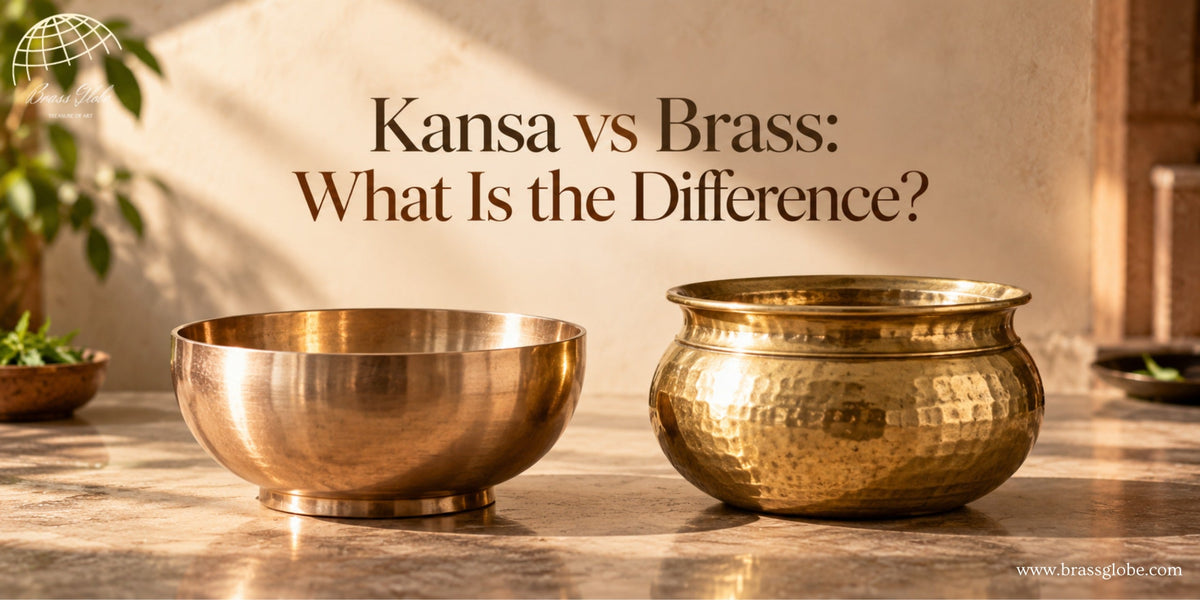
Kansa vs Brass: What Is the Difference?
Walk into any shop selling traditional metal dinnerware and kansa and brass are usually sitting right next to each other. Similar gold tones, similar weight, similar price range at a glance too. But kansa vs brass isn't actually that close a call once you know what to look for. Different alloys. Different behavior around food. Different jobs entirely, day to day. This guide runs through the comparison across composition, appearance, use, and care, so you're picking based on what actually matters instead of guessing off a shelf.
Composition: What Each Metal Is Actually Made Of
The real difference starts here. Everything else follows from it, pretty much.
| Feature | Kansa | Brass |
|---|---|---|
| Alloy of | Copper and tin | Copper and zinc |
| Also known as | Bronze or bell metal | Brass |
| Typical composition | Copper with a significant proportion of tin; exact ratios vary | Copper and zinc; proportions vary by grade |
| Reaction with acidic foods | Can react with acidic foods | Can react with acidic foods, especially if unlined |
Kansa is essentially a form of bronze, a copper-and-tin alloy traditionally used for Indian dining pieces. It does not rely on zinc as its principal alloying metal. Brass, by contrast, combines copper with zinc. That difference changes the colour, working properties, and feel of the finished product.
Depending on its composition, bronze can be harder and more brittle than many brass alloys. Brass is often easier to shape, hammer, and engrave, which helps explain its wide range of uses in cookware, religious objects, decorative pieces, and household products.
Durability and Longevity
Neither metal is inherently weak. Both can last for decades when properly made, used, and maintained.
Kansa utensils can become long-lasting heirloom pieces. Their durability depends on the particular alloy, thickness, manufacturing quality, and how they are handled. Some bronze alloys are relatively hard but can crack or chip under a sharp impact.
Brass is also durable and is often easier to shape and work with. Its resistance to dents, bending, and cracking depends on its exact composition and construction. For frequently handled household items, brass can be a practical choice.
Both metals can develop patina or tarnish through exposure to air, moisture, and handling. This is a natural surface change, although unusual corrosion, pitting, or damage should not automatically be dismissed as harmless patina.
Both metals also carry cultural significance. Kansa has a long-standing association with traditional Indian dining and Ayurvedic food traditions, while brass is widely used in everyday household objects, temples, and home pooja rooms. These cultural connections may be important when choosing a product, but they should not be confused with proven health benefits.
Appearance: How to Tell Them Apart
Side by side, the difference may become apparent within a few seconds.
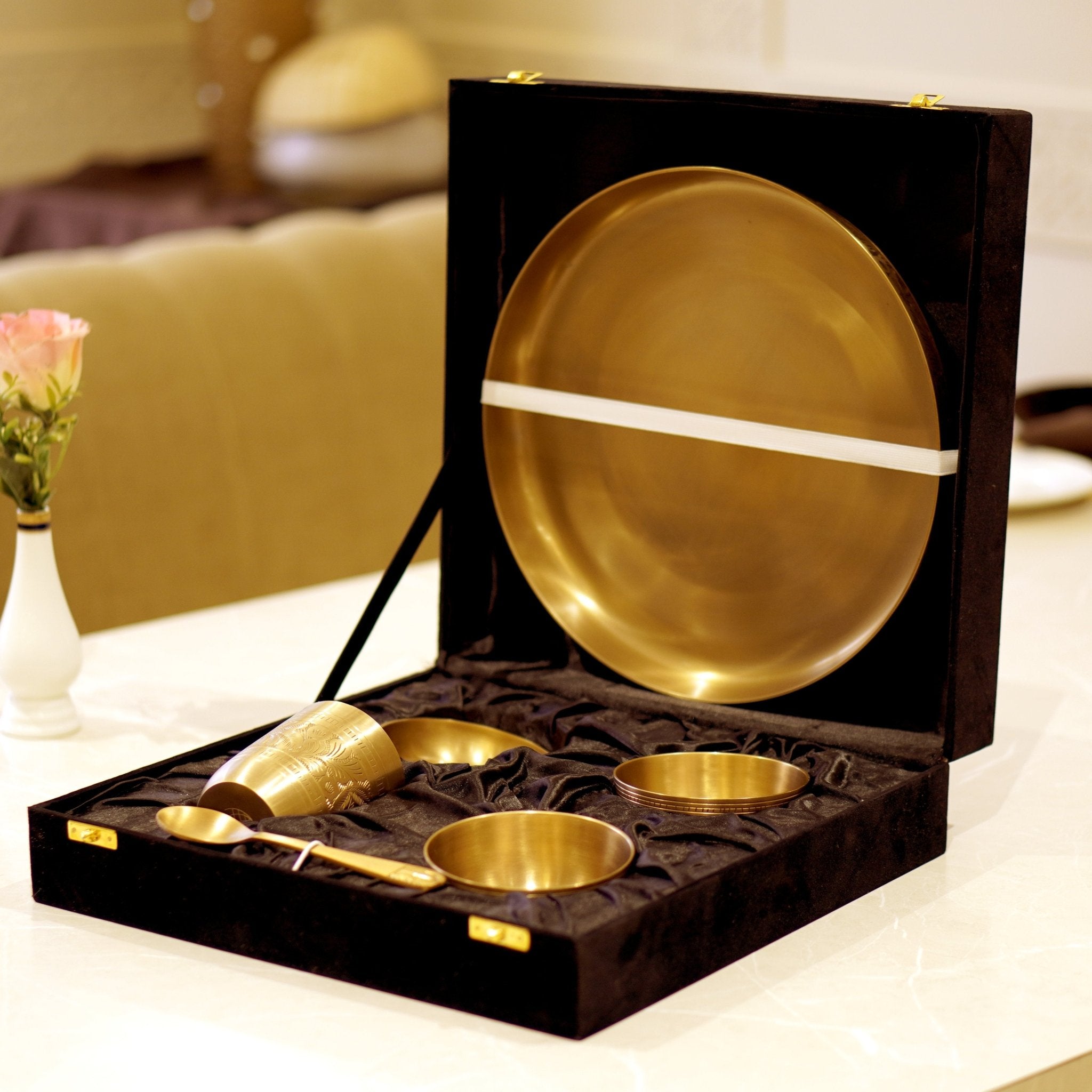
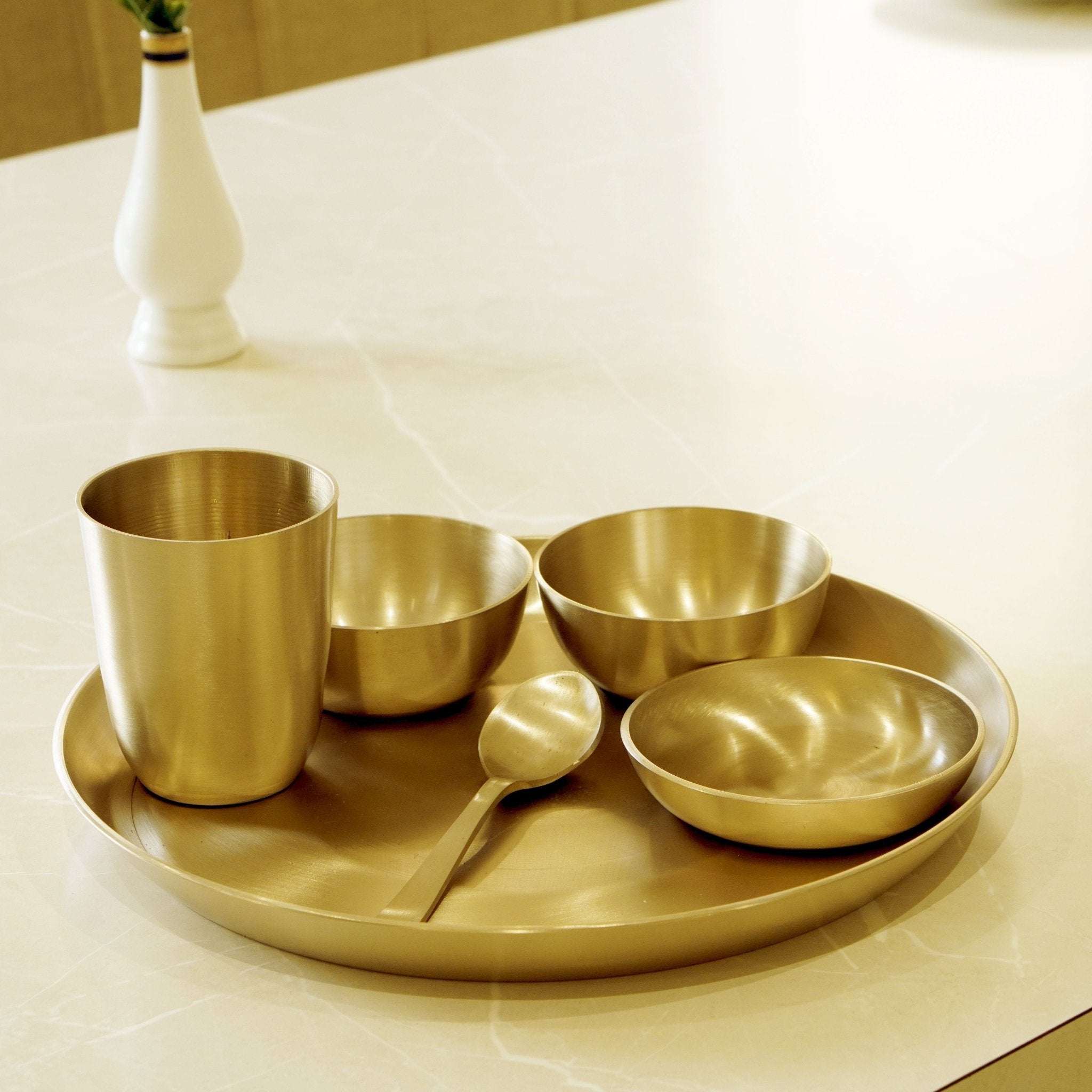
Colour is often the quickest clue. Kansa generally has a deeper, softer bronze-gold appearance, while brass often looks brighter and more yellow-gold. Weight can provide another clue, but it depends on the alloy, thickness, and size of each piece.
Some kansa pieces produce a clear, resonant sound when gently tapped, which is one informal clue people sometimes use to identify traditional bell metal. However, sound alone cannot reliably confirm an alloy. Manufacturing methods and the shape of a utensil also affect its tone.
Both metals can have polished, engraved, or hand-hammered finishes. Kansa's warmer tone can give it a subtle, understated appearance, while polished brass often creates a brighter look.
These are general patterns rather than universal rules. If the exact composition matters, ask the seller for material specifications or independent verification.
Use: Where Each Metal Actually Shows Up
This is probably the most practical difference between the two metals, and the one that should help guide your purchase.
Kansa: Dining and Serving
Kansa is commonly used for traditional dining and serving items, including:
- Thalis and dinner plates.
- Katoris and small bowls.
- Serving bowls and dishes.
- Tumblers and other dining accessories.
Its traditional association with dining makes it appealing to people building a heritage-inspired tableware collection. However, suitability for particular foods depends on the exact alloy, the finish, and the manufacturer's guidance. Avoid prolonged storage of acidic foods in metal vessels unless they are specifically confirmed as suitable for that purpose.
Brass: A Wider Range of Uses
Brass is used across a much broader range of household categories, including:
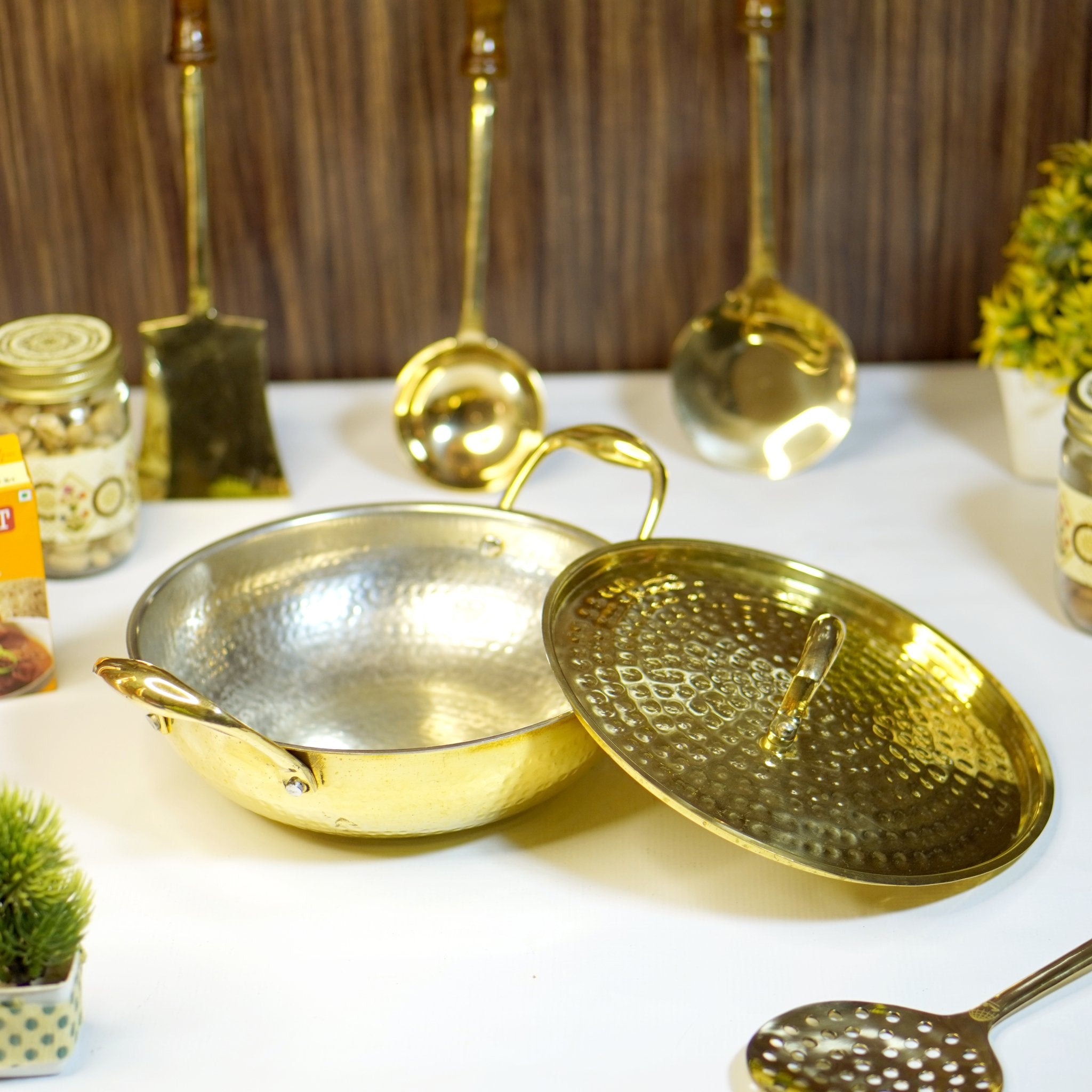
- Cookware: Kadhai, handi, and other cooking vessels, provided they have an appropriate food-safe lining where required.
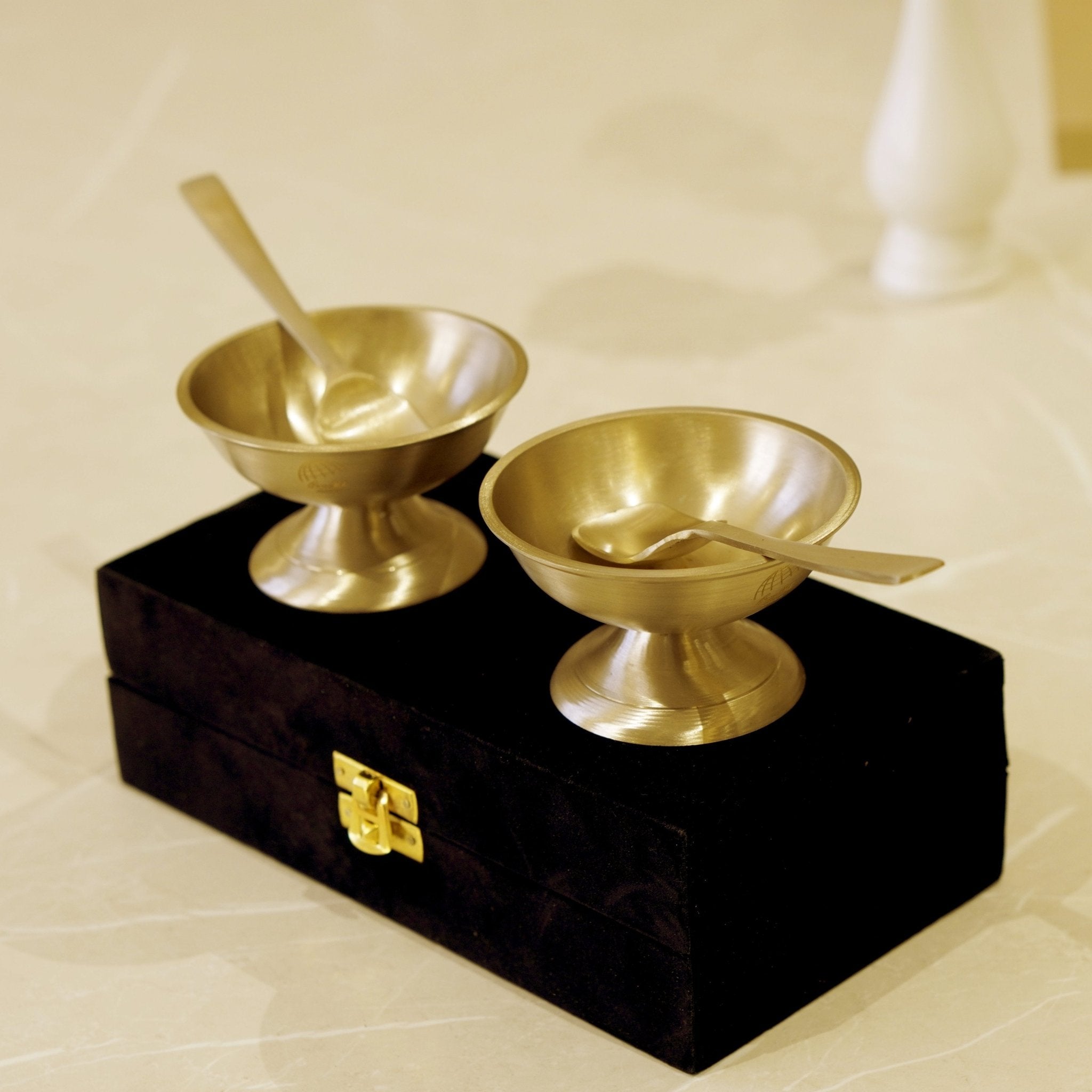
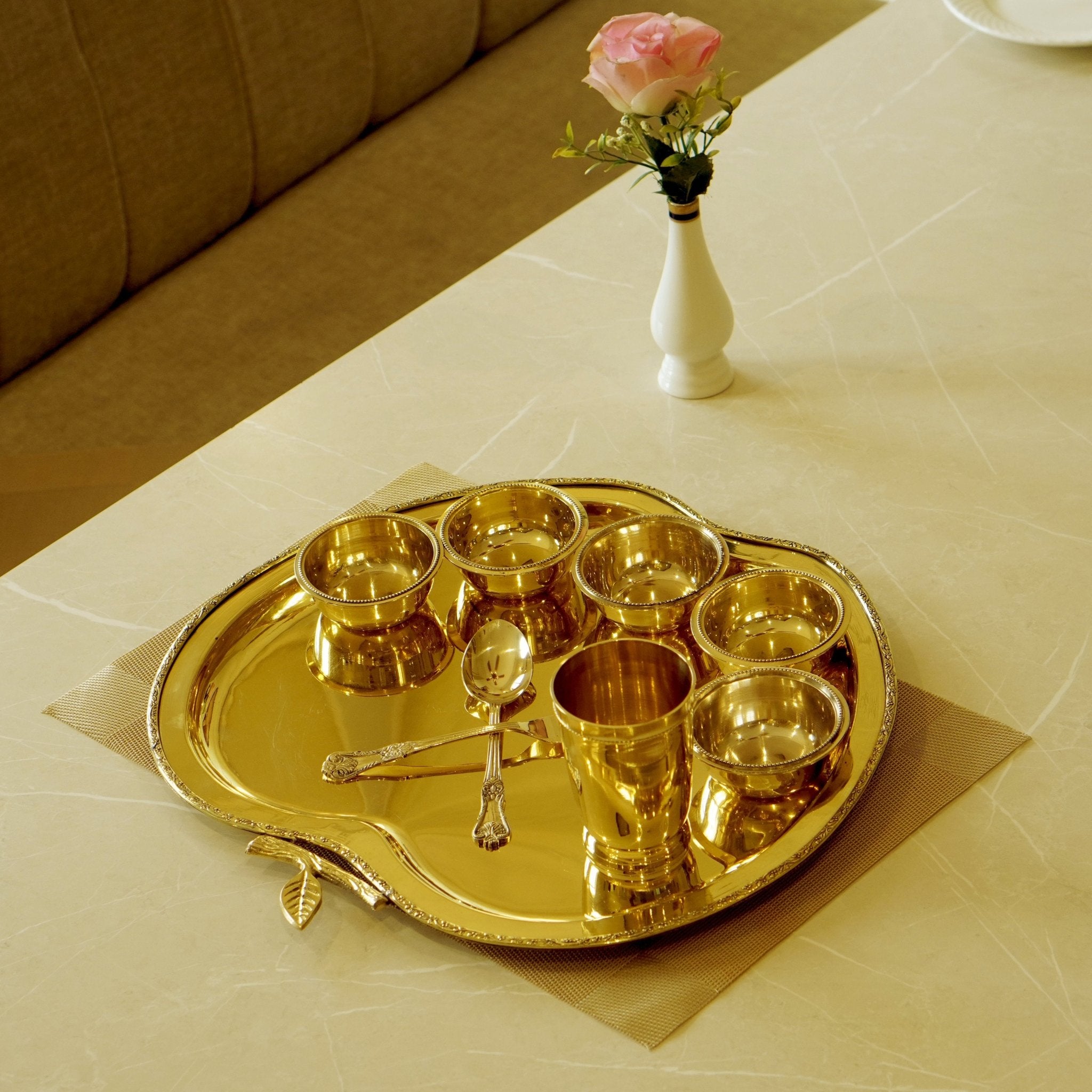
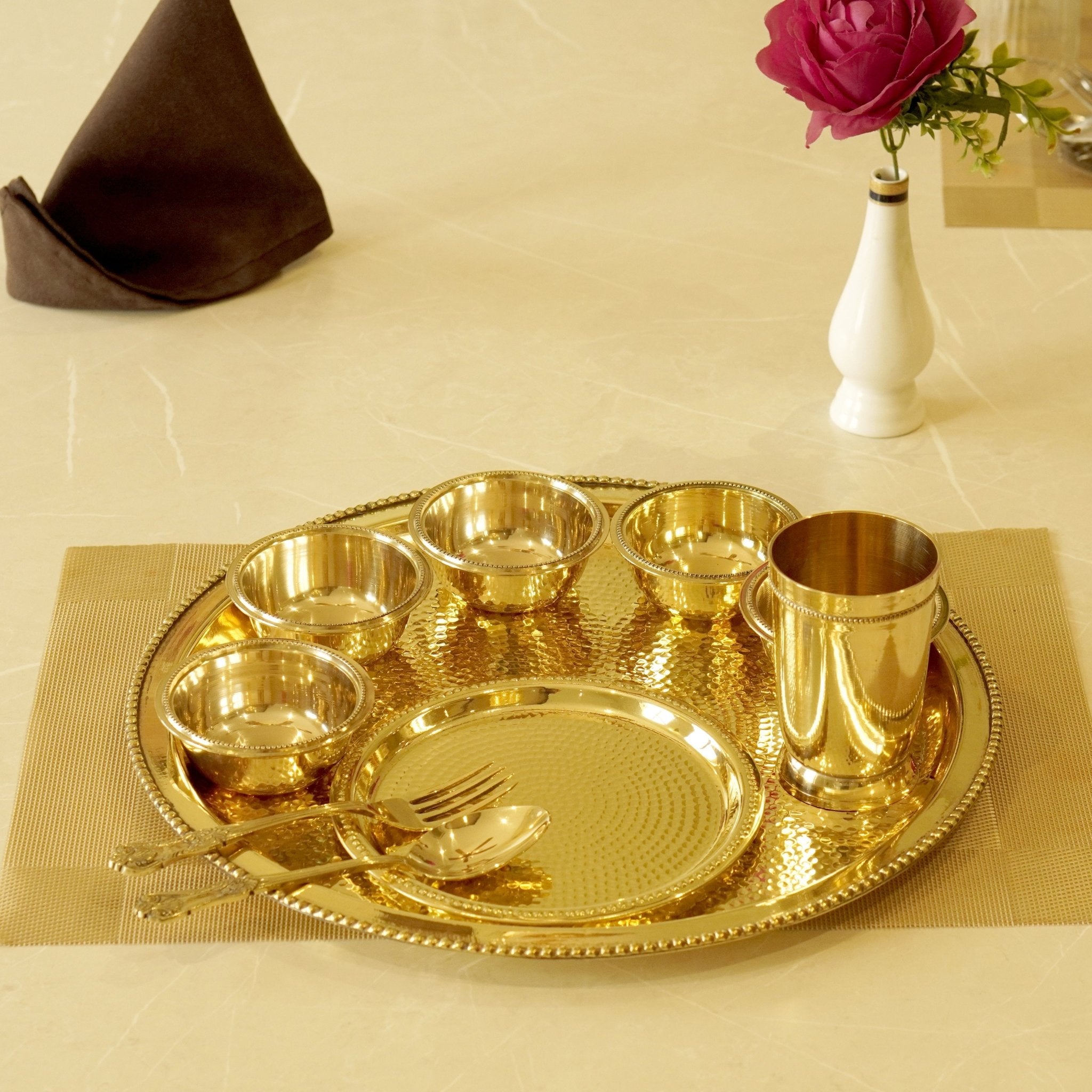
- Serveware: Plates, bowls, trays, and serving accessories.
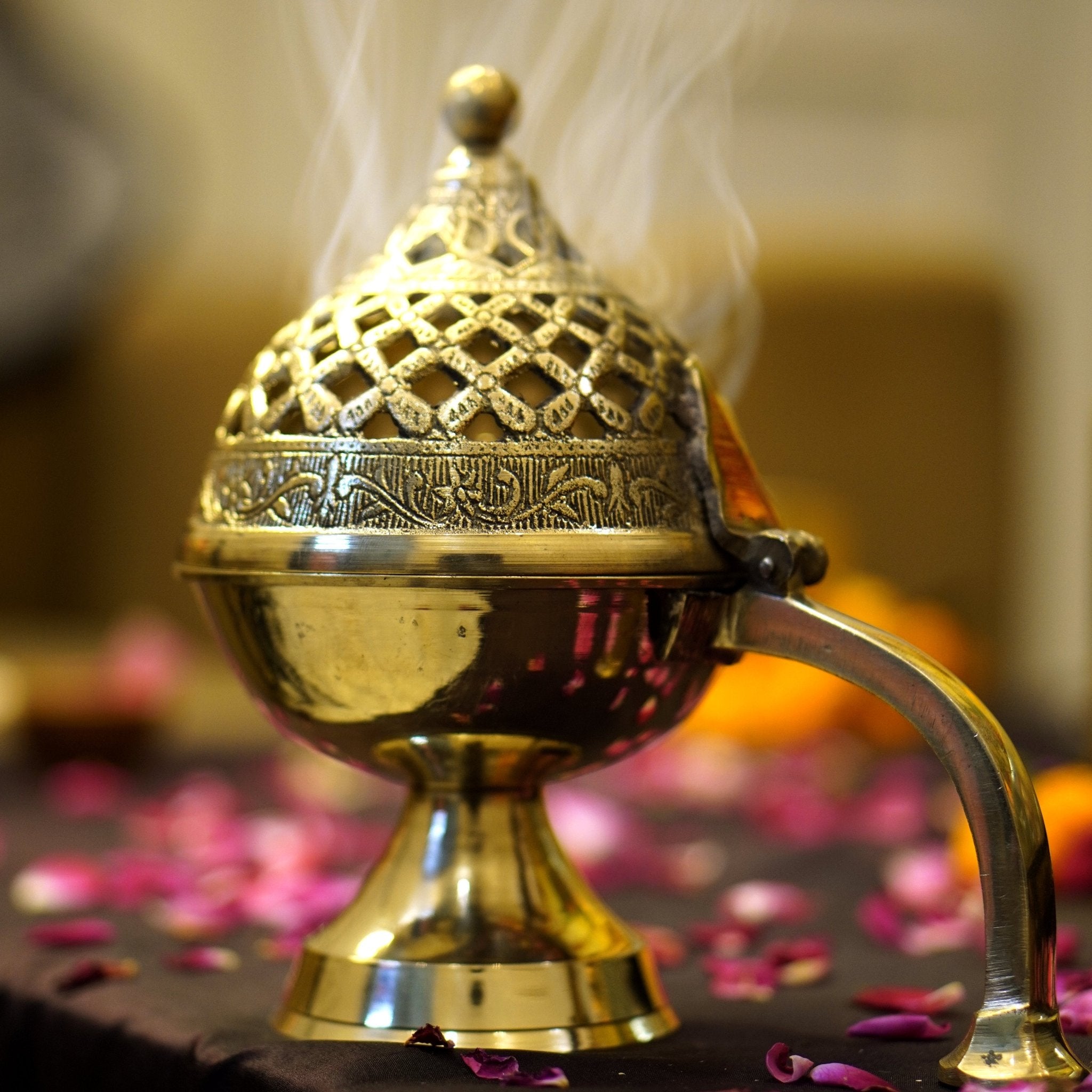
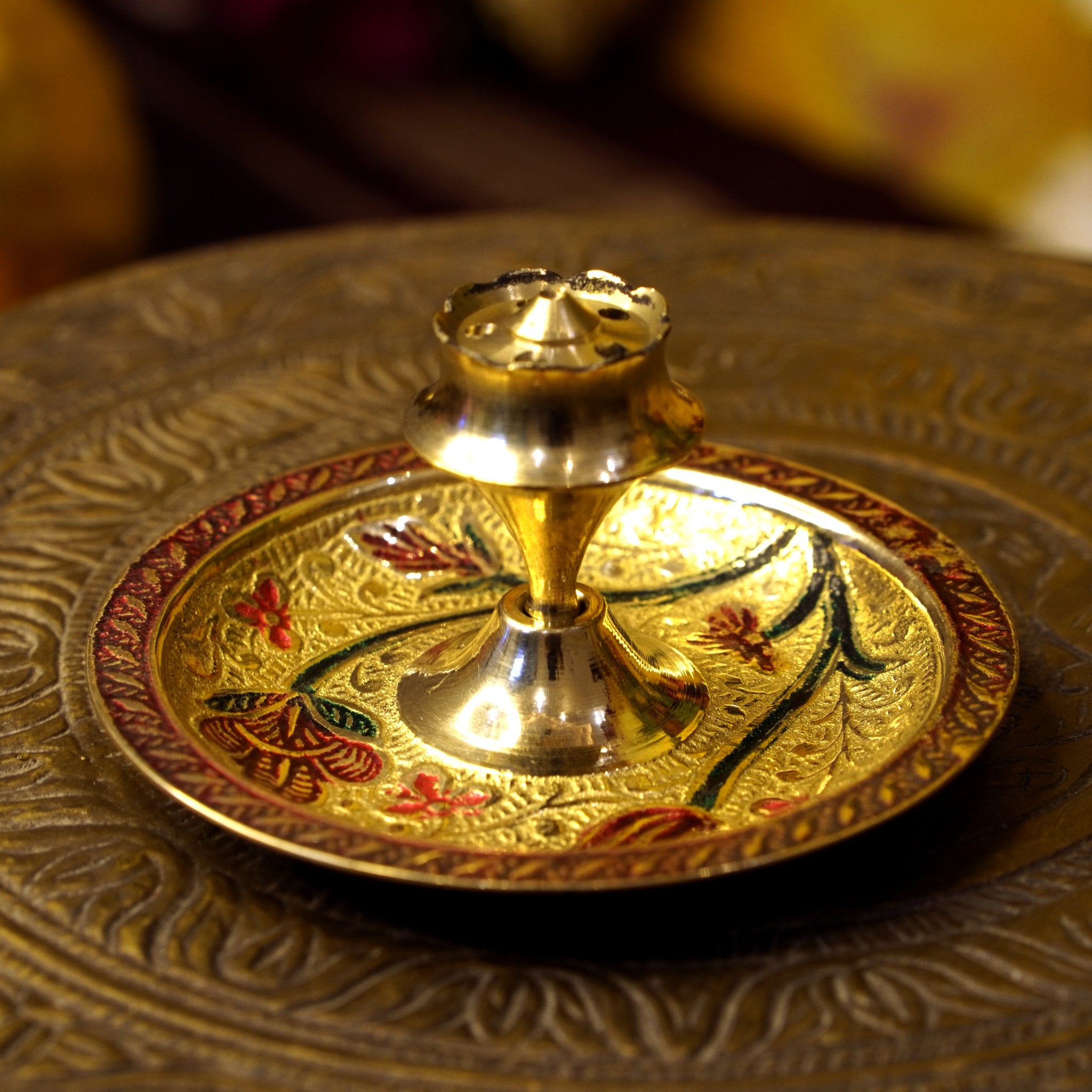
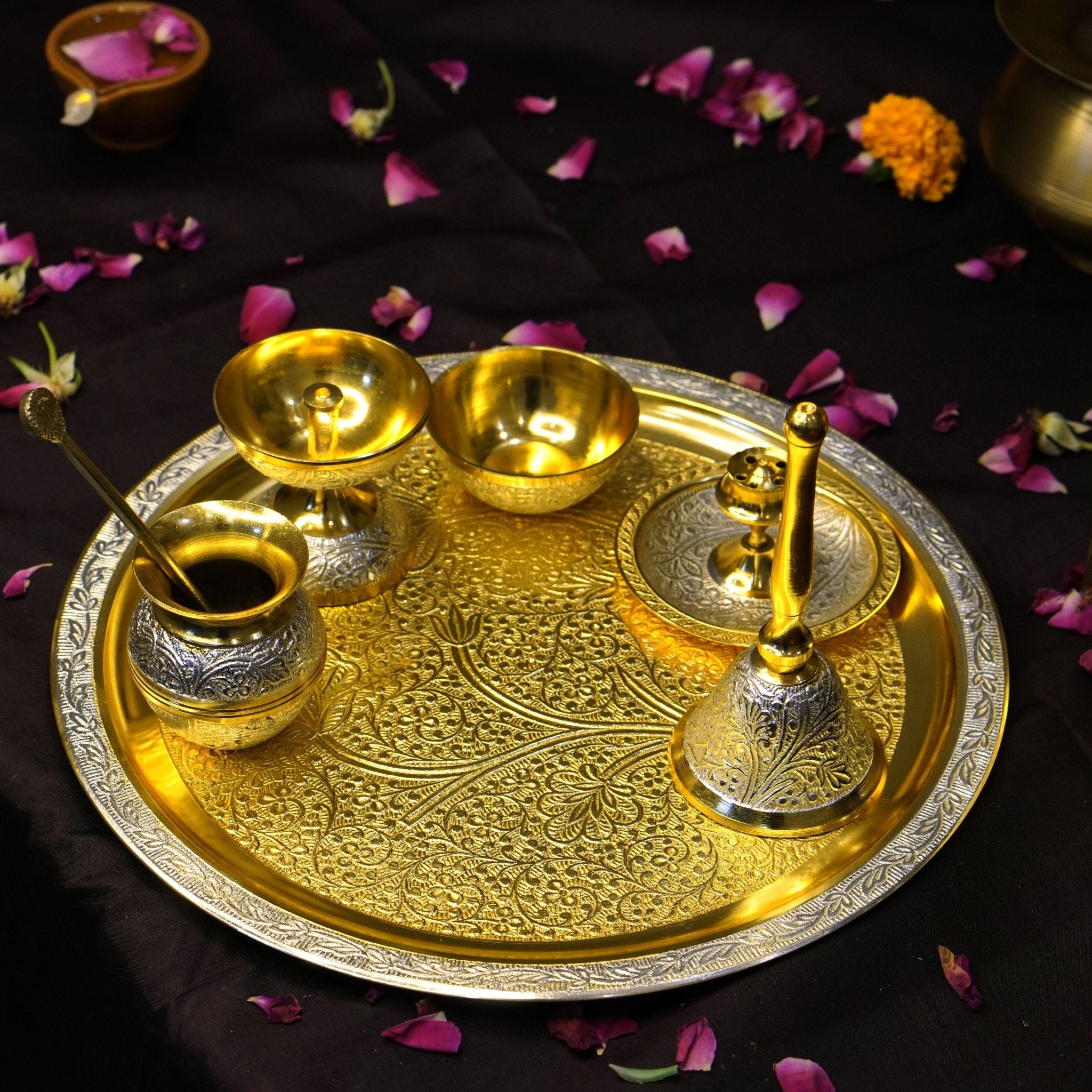
- Pooja items: Diyas, kalash, bells, and other religious objects.
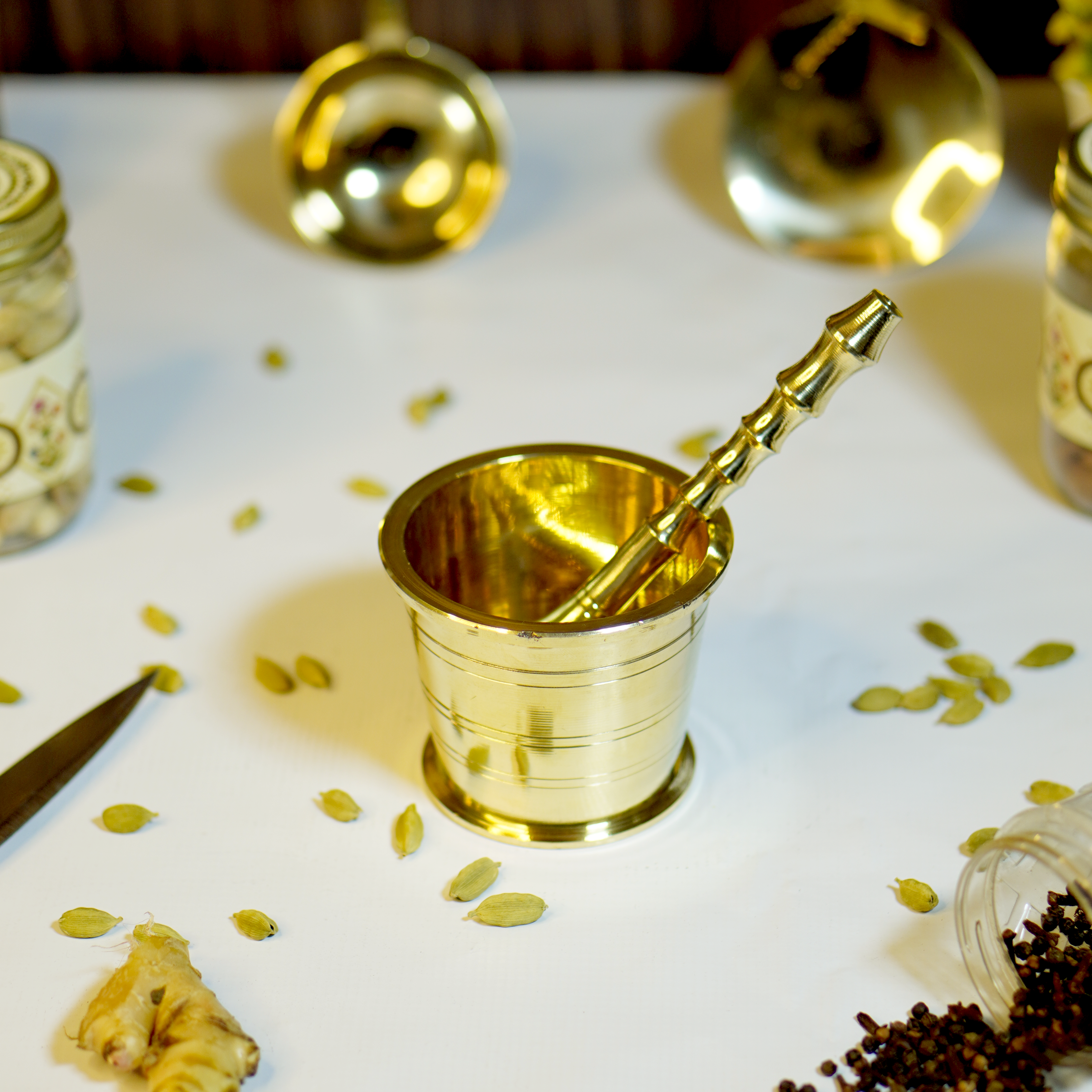
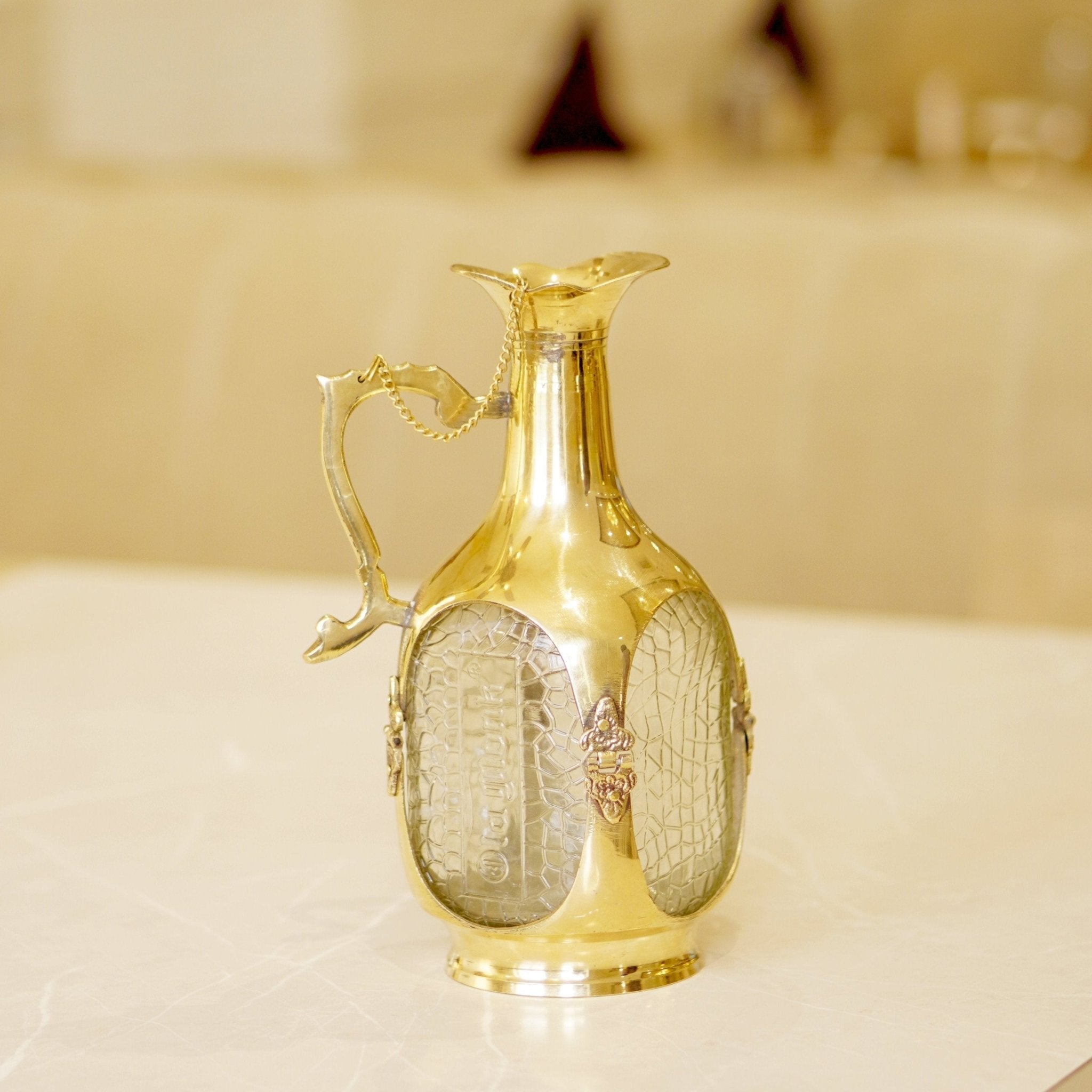
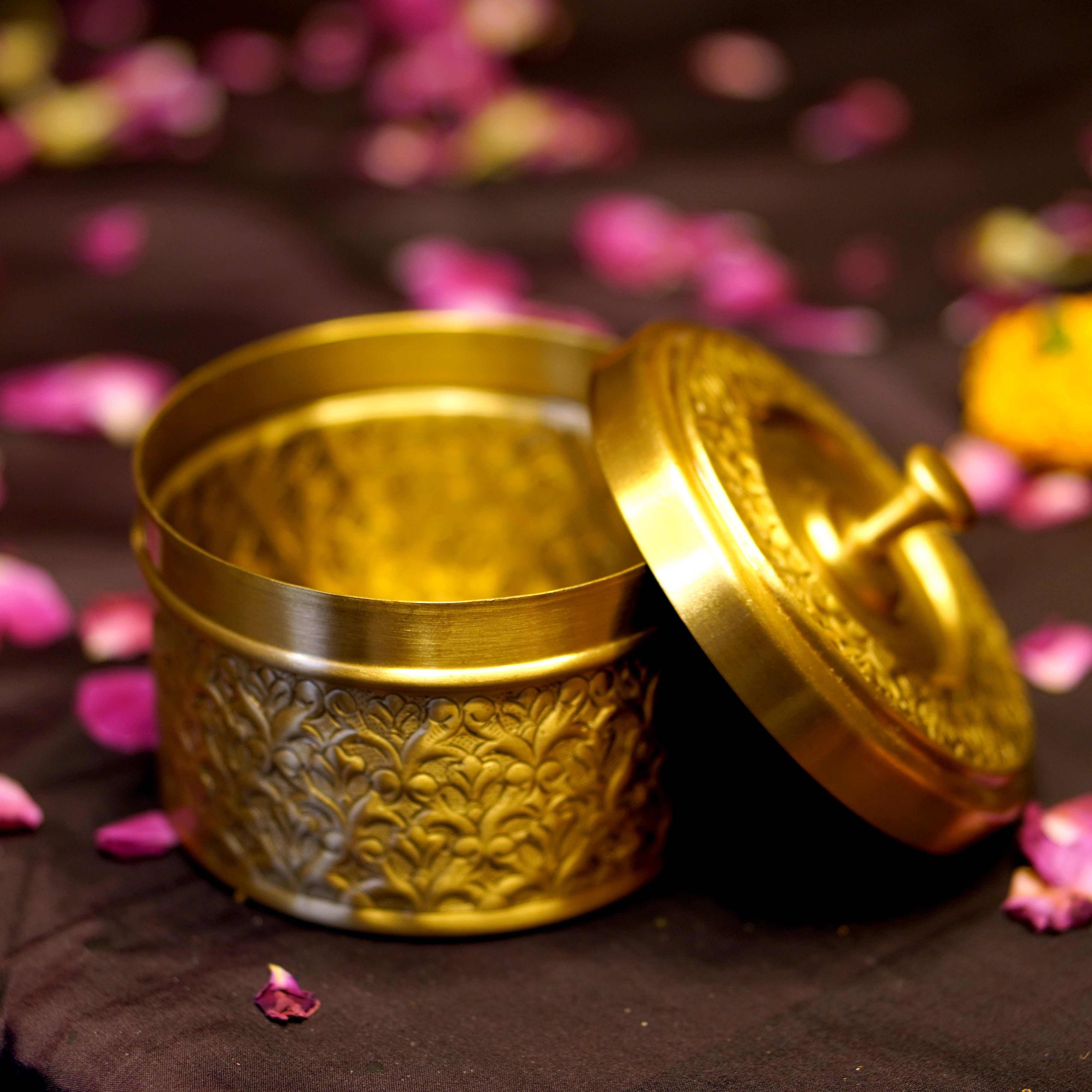
- Home decor: Urli bowls, vases, decorative vessels, and ornaments.
- Gifting: Traditional utensils, decorative pieces, and festive gift sets.
Want one metal that covers dining, religious use, and decorative pieces? Brass offers a wide selection. Building a dining collection specifically and looking for a traditional, premium aesthetic? Kansa may suit that purpose well.
Many households choose both: brass for selected pooja and decorative items, and kansa for dining. The best combination depends on the intended use and the safety specifications of each product.
Care: What Keeps Each Metal Looking Right
The care routines for kansa and brass overlap in several ways, but the safest cleaning method depends on the finish and intended use of the item.
Both metals can tarnish naturally. Gentle hand-washing with a mild dishwashing liquid, followed by thorough rinsing and drying, is a good starting point for many uncoated items. Avoid steel wool, abrasive cleaners, and harsh chemicals that may scratch the surface or damage a finish.
Some people use tamarind pulp or lemon with salt to remove tarnish from traditional metalware. These methods can be abrasive or chemically aggressive, however, and may not be appropriate for every finish. Follow the manufacturer's care instructions, particularly for lacquered, coated, or specially finished pieces.
Where cookware is concerned, the food-contact surface matters most. Bare copper alloys can react with acidic foods. Brass cookware may use a tin lining, traditionally applied through kalai, to separate the food from the underlying metal. Unlined brass and kansa should not automatically be assumed safe for every cooking application.
For more information on cleaning techniques, consult a product-specific guide to cleaning brass utensils at home and check that the recommended methods are appropriate for your particular utensil.
Kansa vs Brass at a Glance
| Feature | Kansa | Brass |
|---|---|---|
| Made from | Copper and tin | Copper and zinc |
| Typical colour | Deeper, softer bronze-gold | Brighter yellow-gold |
| Weight | Depends on alloy and construction | Depends on alloy and construction |
| Primary uses | Traditional dining and serving | Dining, selected cookware, decor, and pooja items |
| Cooking suitability | Depends on the alloy and intended use | Depends on the alloy and food-contact lining |
| Care | Gentle cleaning and thorough drying | Gentle cleaning and thorough drying |
| Gifting | Traditional, dining-focused appeal | Versatile across many product categories |
Price and Availability
Kansa products may cost more than comparable brass products, depending on the design, material quality, thickness, craftsmanship, and source. Traditional casting and finishing can require specialised skills, and some kansa products are positioned as premium dining pieces.
Brass is widely used across many product categories, including cookware, home decor, pooja items, and tableware. Its broad availability gives shoppers a wide range of styles and price points.
If you're outfitting a kitchen and dining area on a budget, compare the price, weight, finish, and construction of individual pieces rather than assuming one metal is always cheaper. Ask sellers about the exact alloy, any lining, and the intended use of each item.
Which Should You Choose?
The right choice depends on what you're buying and how you plan to use it. Here's a quick way to decide:
- For a traditional dining collection: Consider kansa if you like its deeper bronze-gold appearance and heritage association.
- For a wide variety of household items: Brass offers many options across serveware, decor, and pooja categories.
- For a tighter budget: Compare the actual price, quality, and construction of the pieces you need.
- For a standout gift: Either metal can work well, depending on the recipient's style and intended use.
- For cooking: Prioritise verified food-contact safety, the manufacturer's instructions, and a suitable intact lining where required.
Many households find that the two metals complement each other rather than compete. Kansa can provide a traditional dining aesthetic, while brass offers a broad selection of religious and decorative items. Choose each piece according to its intended use instead of relying on appearance alone.
You can also explore dedicated guides to brass utensils and kansa utensils to learn more about their properties, care, and traditional uses.
Frequently Asked Questions
What is kansa made of?
Kansa is a copper-and-tin alloy commonly associated with bronze or bell metal. The exact proportions vary between products and manufacturing traditions.
What is brass made of?
Brass is an alloy of copper and zinc. The proportions vary by grade and influence its colour, strength, and working properties.
Which is better, kansa or brass?
Neither is universally better. Kansa may appeal to people looking for traditional dining pieces, while brass offers a wider range of products for dining, decor, and pooja. For cookware, food-contact safety and the suitability of any lining should guide the decision.
Can kansa and brass utensils be used together?
Yes. They can be part of the same household collection. You might choose kansa for dining and brass for decorative or religious items, provided each product is used according to its intended purpose.
Are kansa and brass utensils good for gifting?
Both can make thoughtful gifts for weddings, housewarmings, and festivals. Handcrafted or engraved pieces can be especially appealing. Choose based on the recipient's preferences, the quality of the craftsmanship, and the intended use.

Leave a comment
This site is protected by hCaptcha and the hCaptcha Privacy Policy and Terms of Service apply.